ท้าวเวสสุวรรณ thao wetsuwan · Thao Wessuwan (guardian-king of the yaksha)
📷 ถือชิ้นนี้อยู่? ถ่ายรูปเทียบ · Holding one? Photograph it to compare 🔍 ค้นหา · search Thao Wessuwan (guardian-
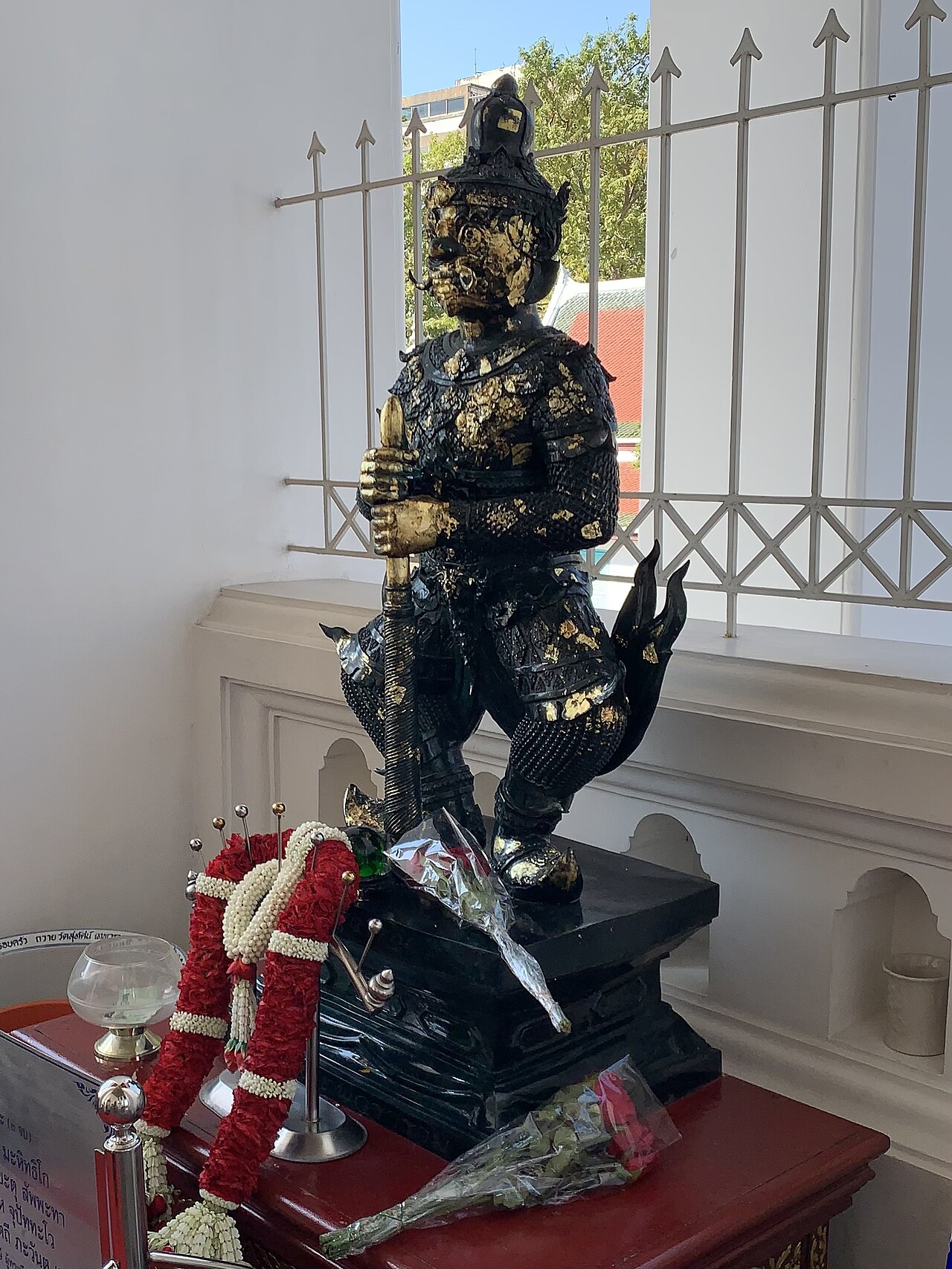
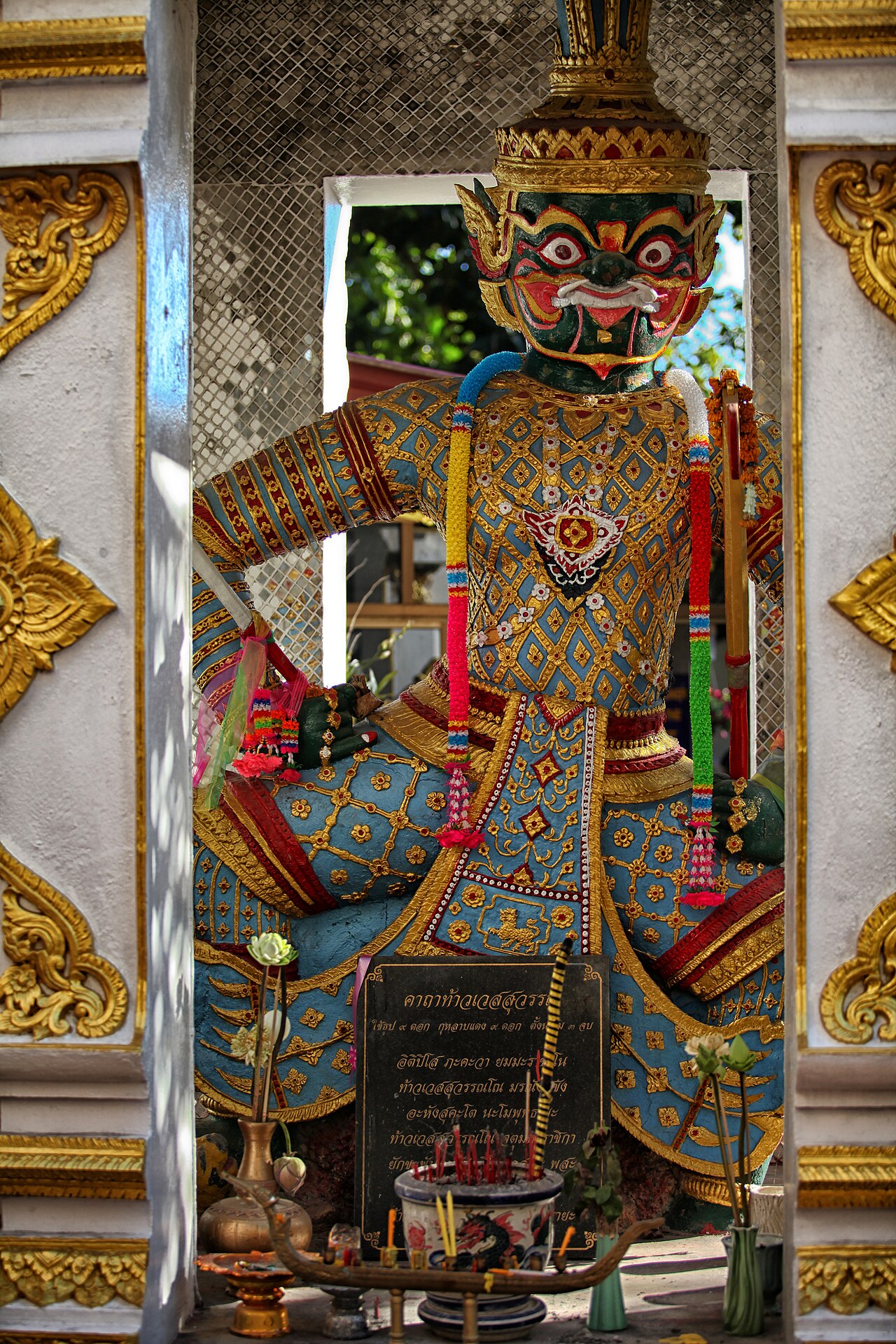
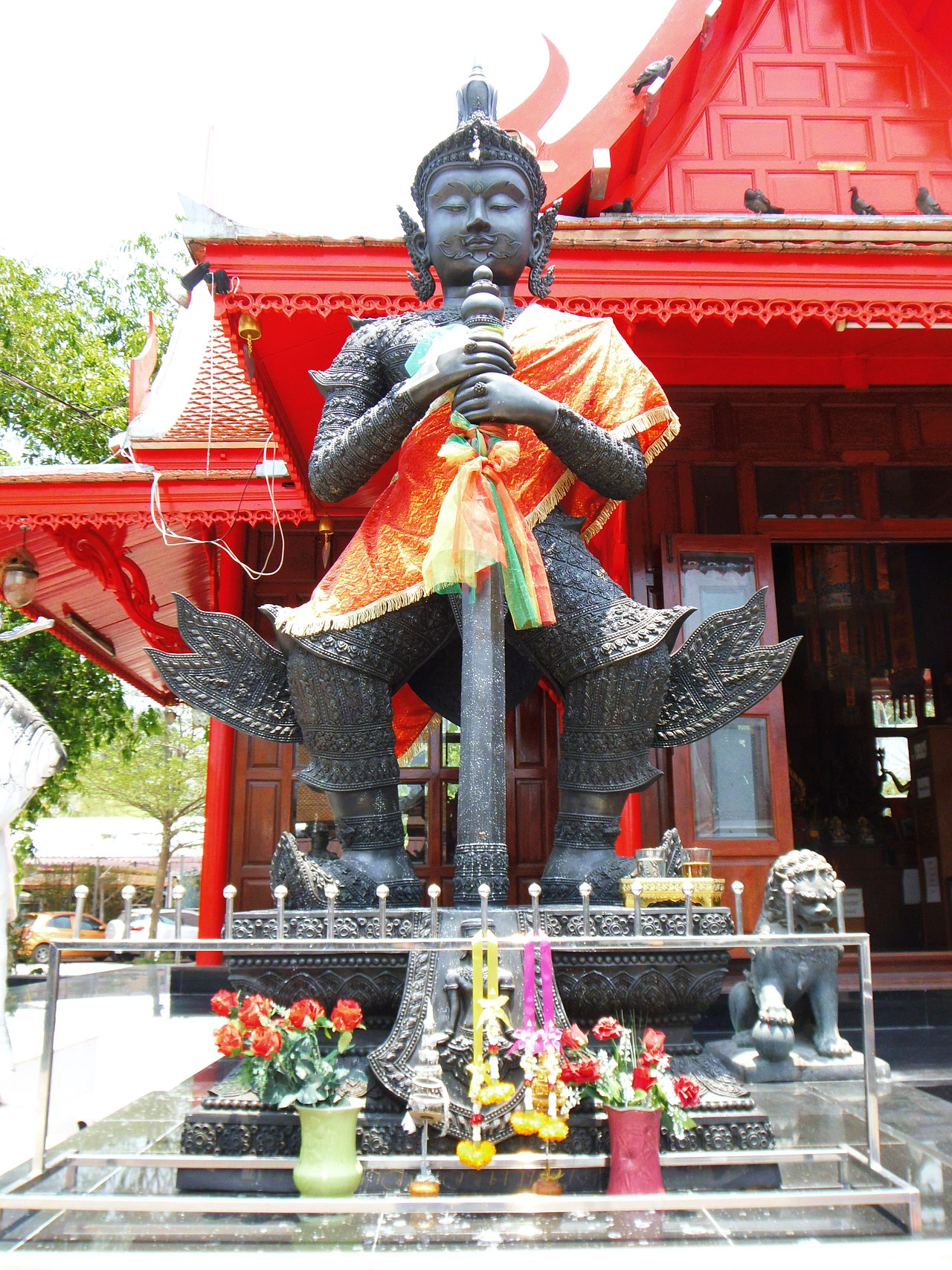
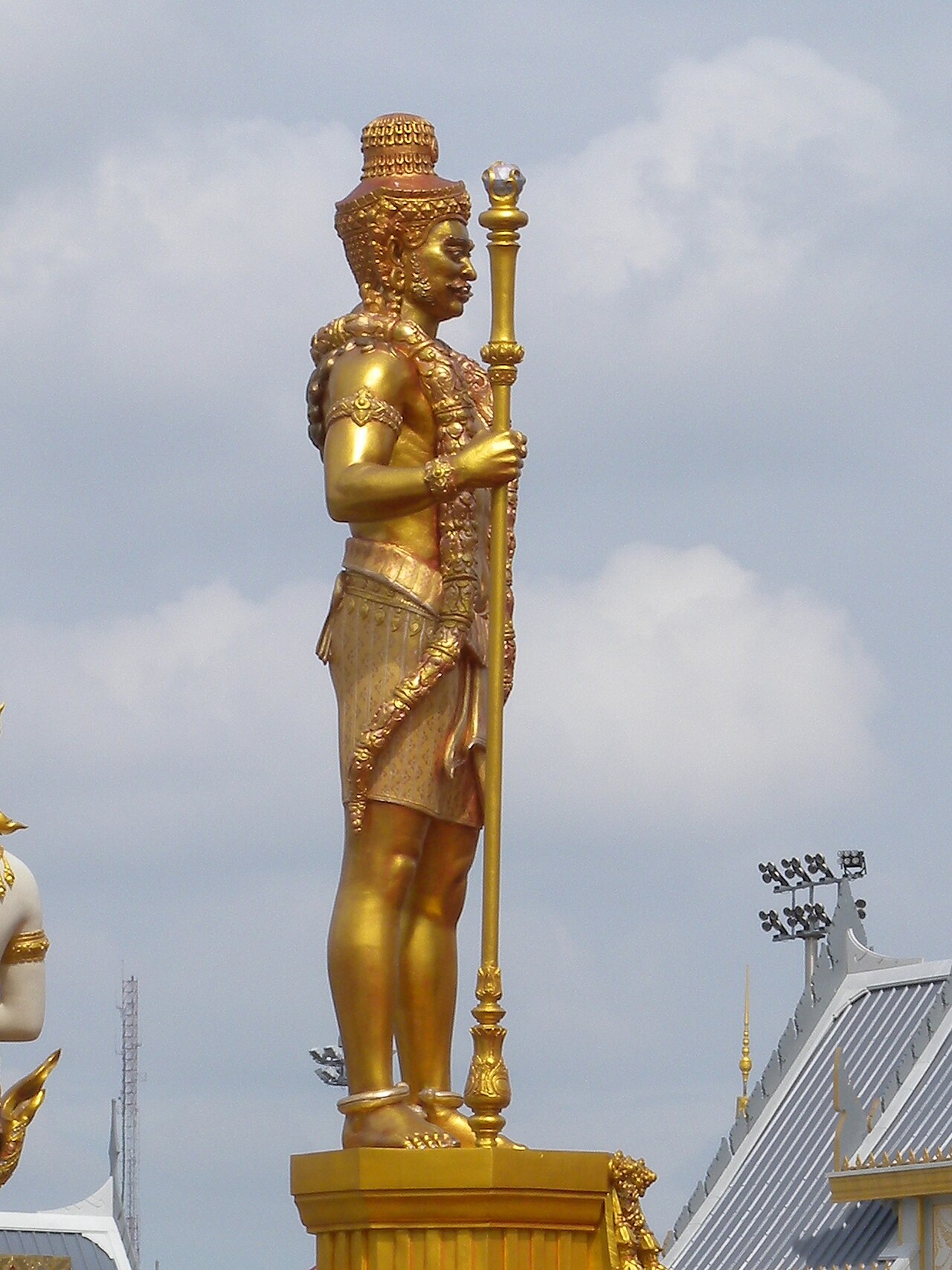
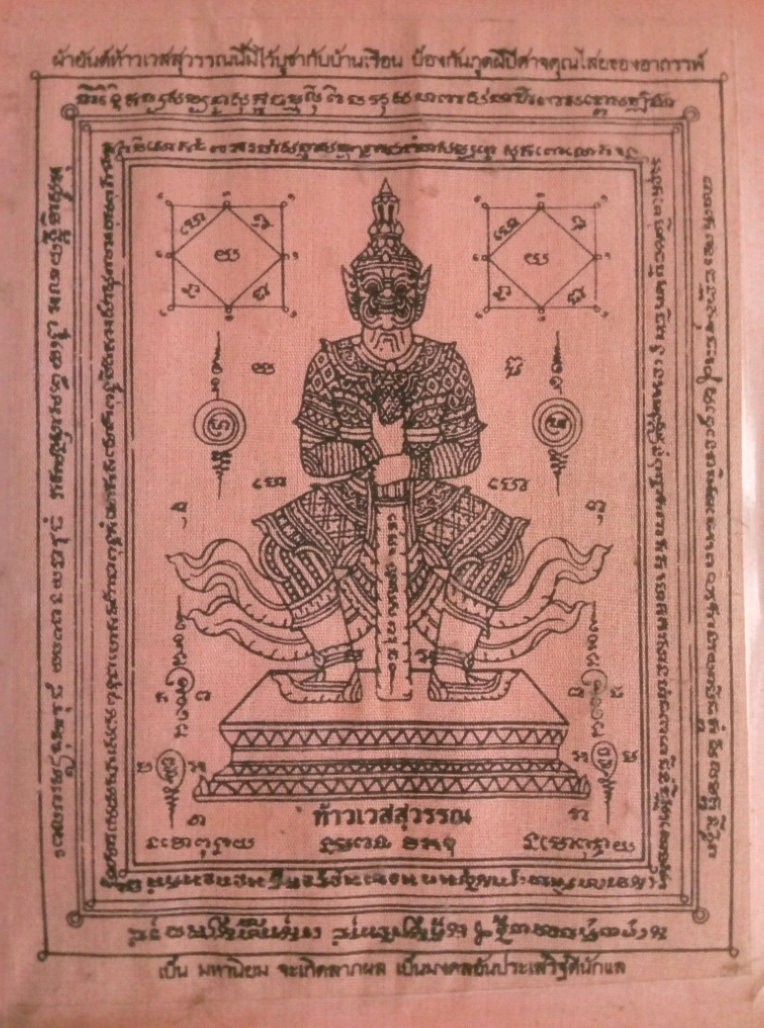
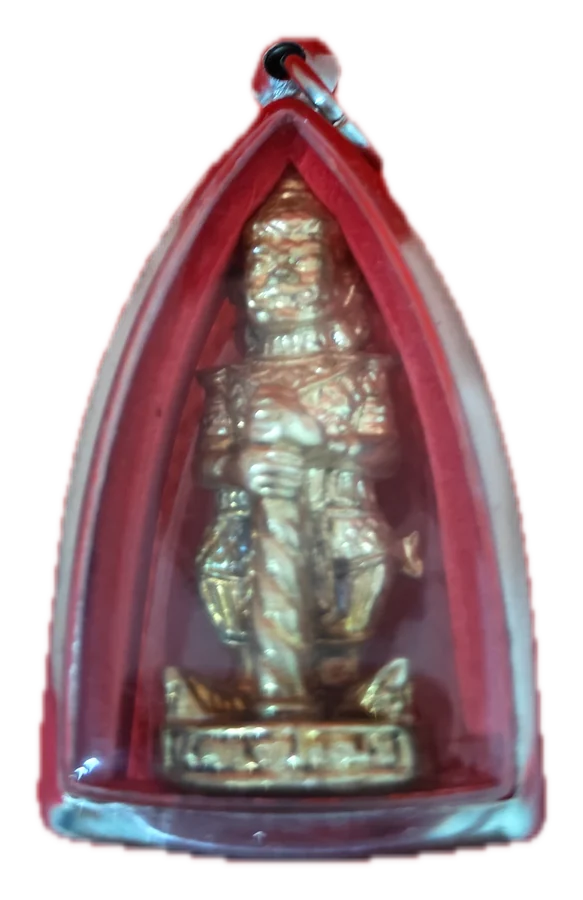
ท้าวเวสสุวรรณ ราชาแห่งยักษ์ ผู้รักษาทิศเหนือ มือกุมกระบอง — รูปหล่อ จี้ และแผ่นติดประตู เป็นเทพที่บูชาผ่านวัตถุ ถวายเครื่องสักการะและความเคารพ ไม่ใช่ผีที่ต้องเลี้ยงข้าว
The northern guardian-king of the yaksha, club in hand — statue, pendant and gate-plaque. A deva venerated through the object: offerings and respect, not meals.
also: ท้าวเวสวัณ · ท้าวกุเวร · พระไพศรพณ์ · ท้าวเวสสุวัณ · thao wessuwan · thao wetsawan · thao kuwen · wessuwan · Vessavana · Vaisravana · Kubera · guardian of the north
At a glance · โดยย่อ
| Class · หมวด | เทพ / เทวดา deva-tier resident Catalogue · จากคลัง |
|---|---|
| Resident · ผู้อยู่ | deva |
| Upkeep · การเลี้ยง | veneration |
| Provenance sensitivity | medium |
| Form · รูปแบบ | figure · รูปหล่อ/รูปปั้น |
| Material · เนื้อ | เนื้อโลหะ metal (unspecified) · ทองเหลือง brass · เนื้อดิน clay body |
| Function · คุณ | กันผี warding spirits · คุ้มครอง general protection, watching over · ค้าขาย trade, selling |
| Region · ถิ่น | ภาคกลาง Central Thailand (Bangkok, Ayutthaya basin) · ทั่วประเทศไทย Thailand, not regionally specific |
| Era · ยุค | รูปเคารพเก่าแก่ในพุทธศาสนา กระแสบูชาเป็นวัตถุมงคลแรงขึ้นมากตั้งแต่ราว พ.ศ. ๒๕๖๕ An old Buddhist guardian figure; as a mass-market amulet the surge dates to about 2022, when the large statue at Wat Chulamani, Samut Songkhram, became a phenomenon Tradition · ตามประเพณี |
| Retail market (Lazada TH titles) | 492 listings · ฿29–339 typical · median ฿96 Catalogue · จากคลัง |
Form · รูปทรง Tradition · ตามประเพณี
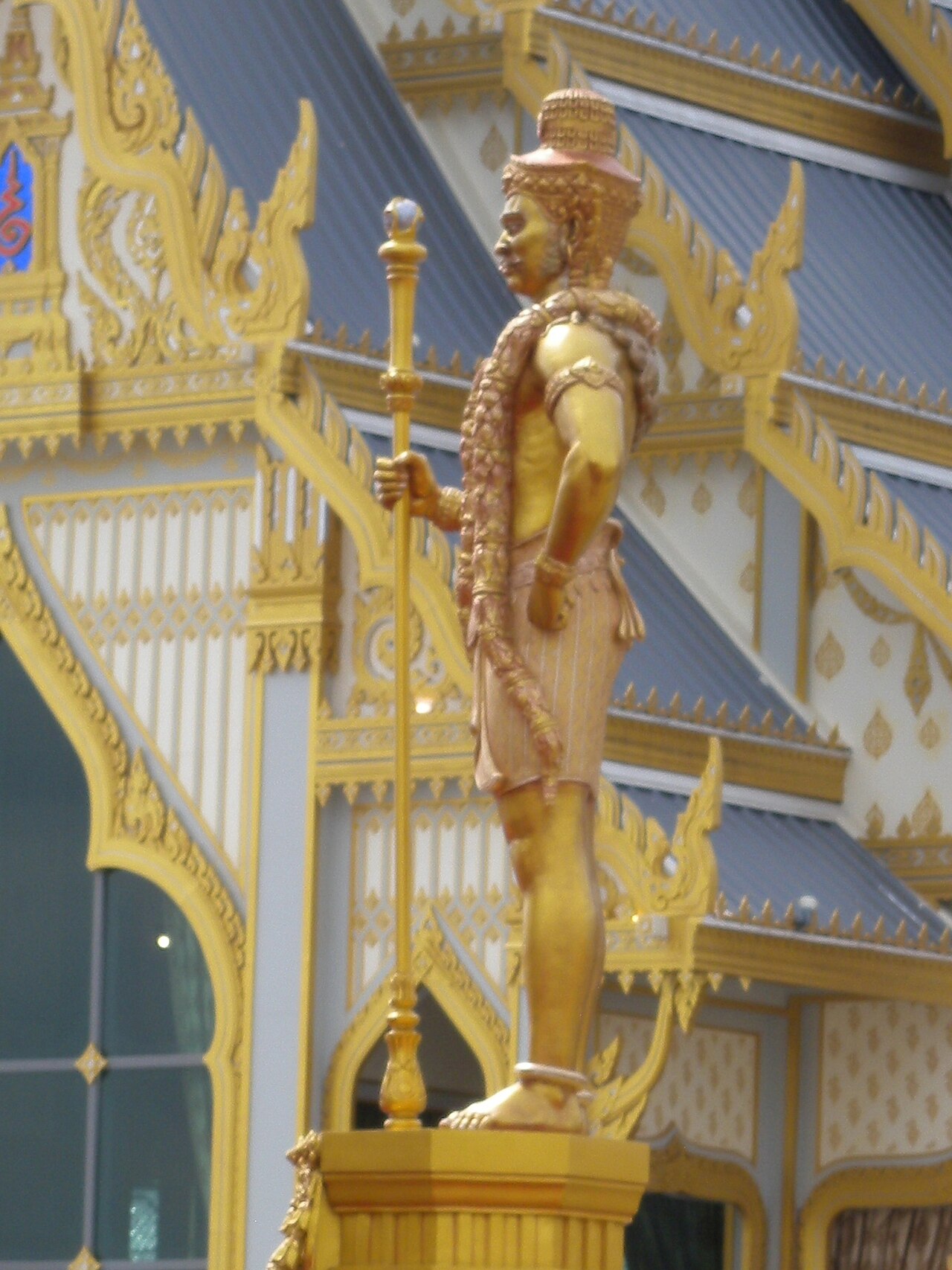
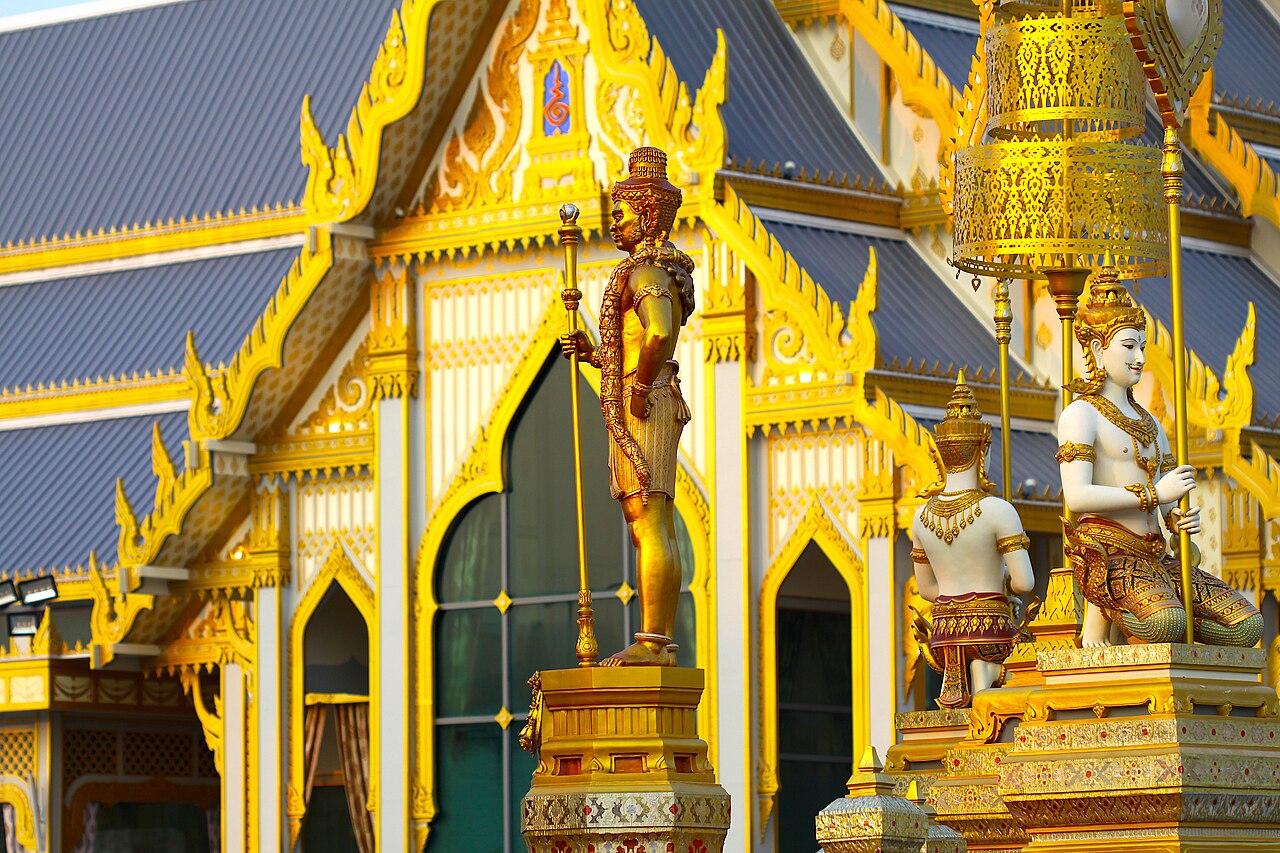
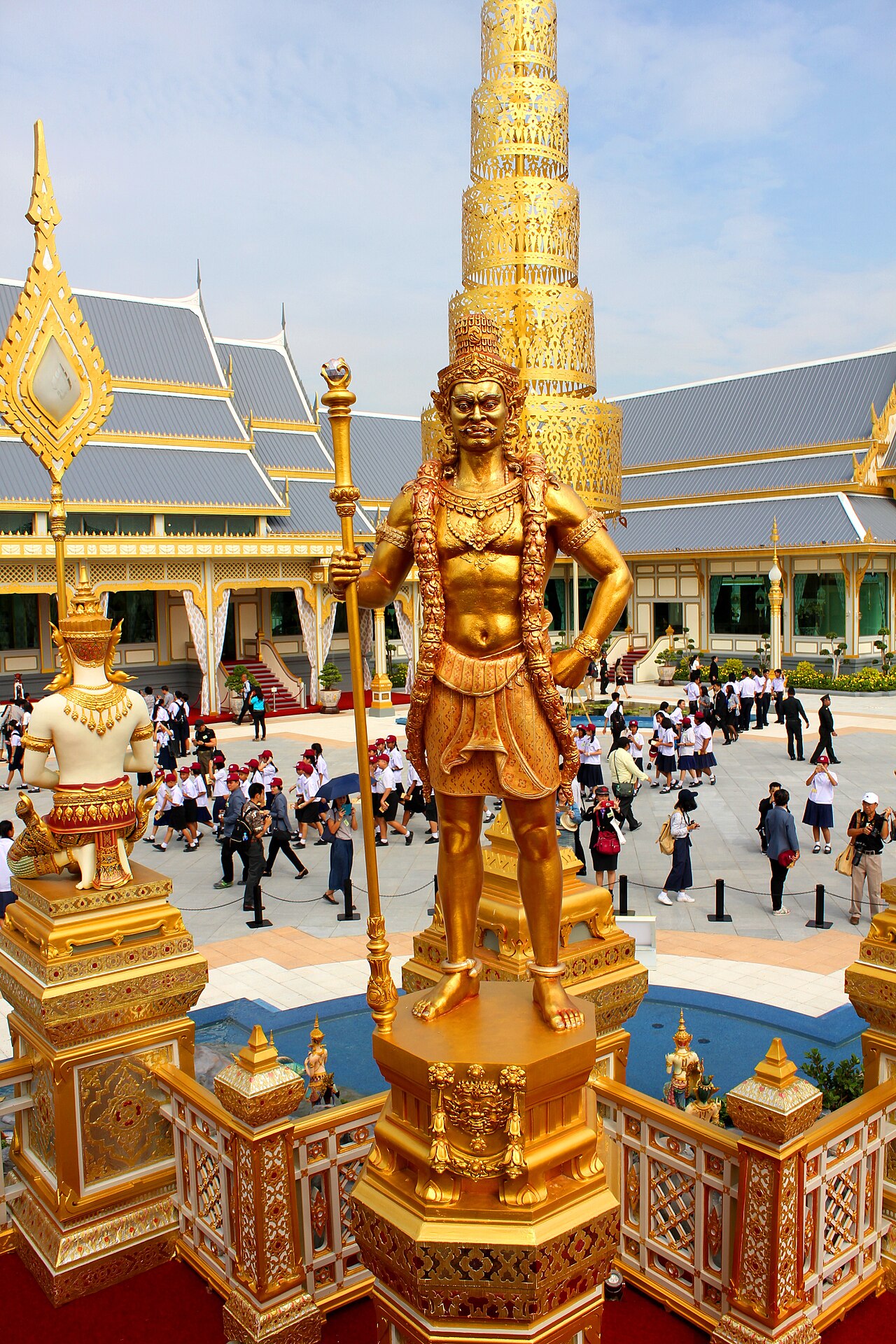
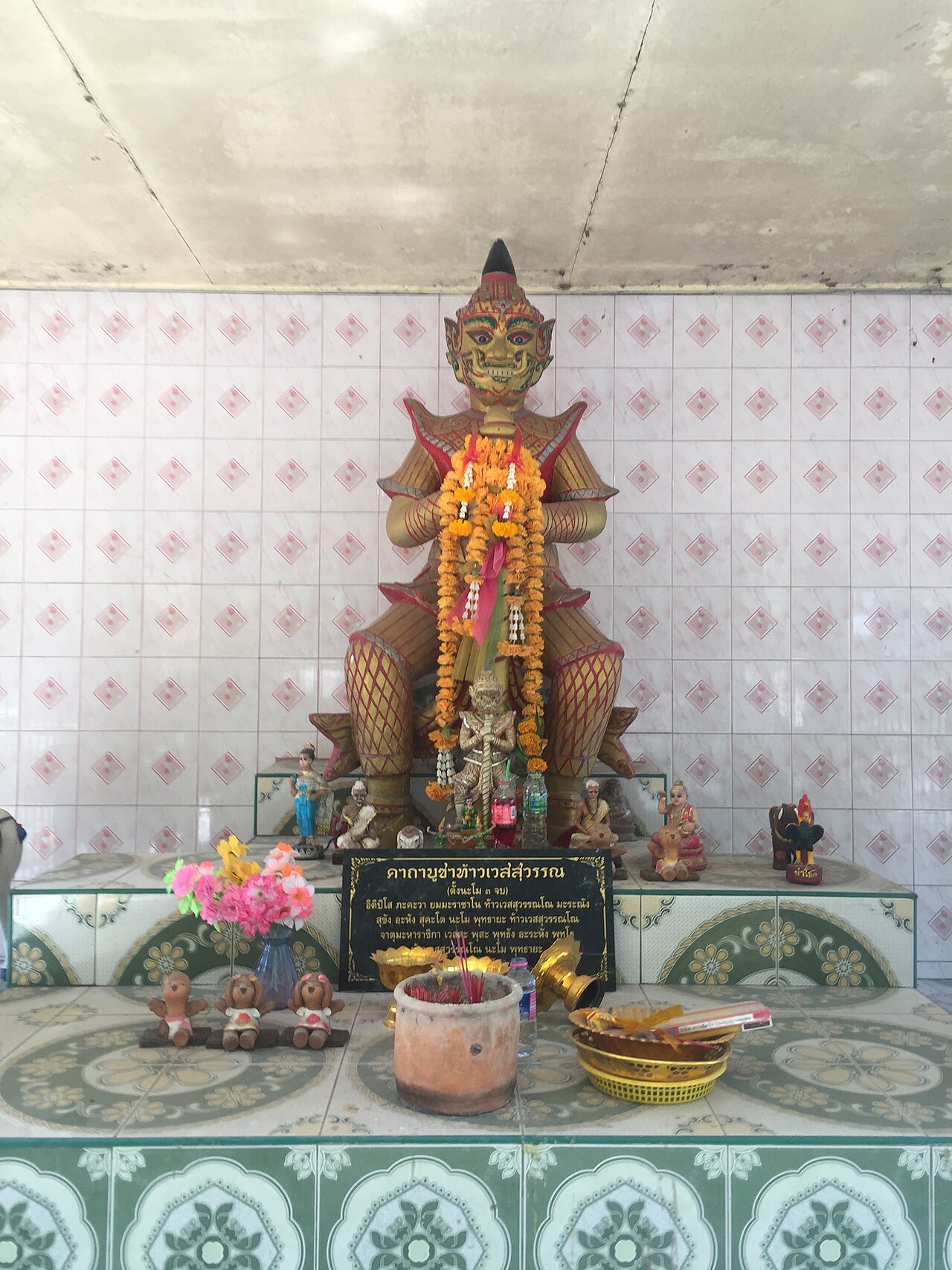
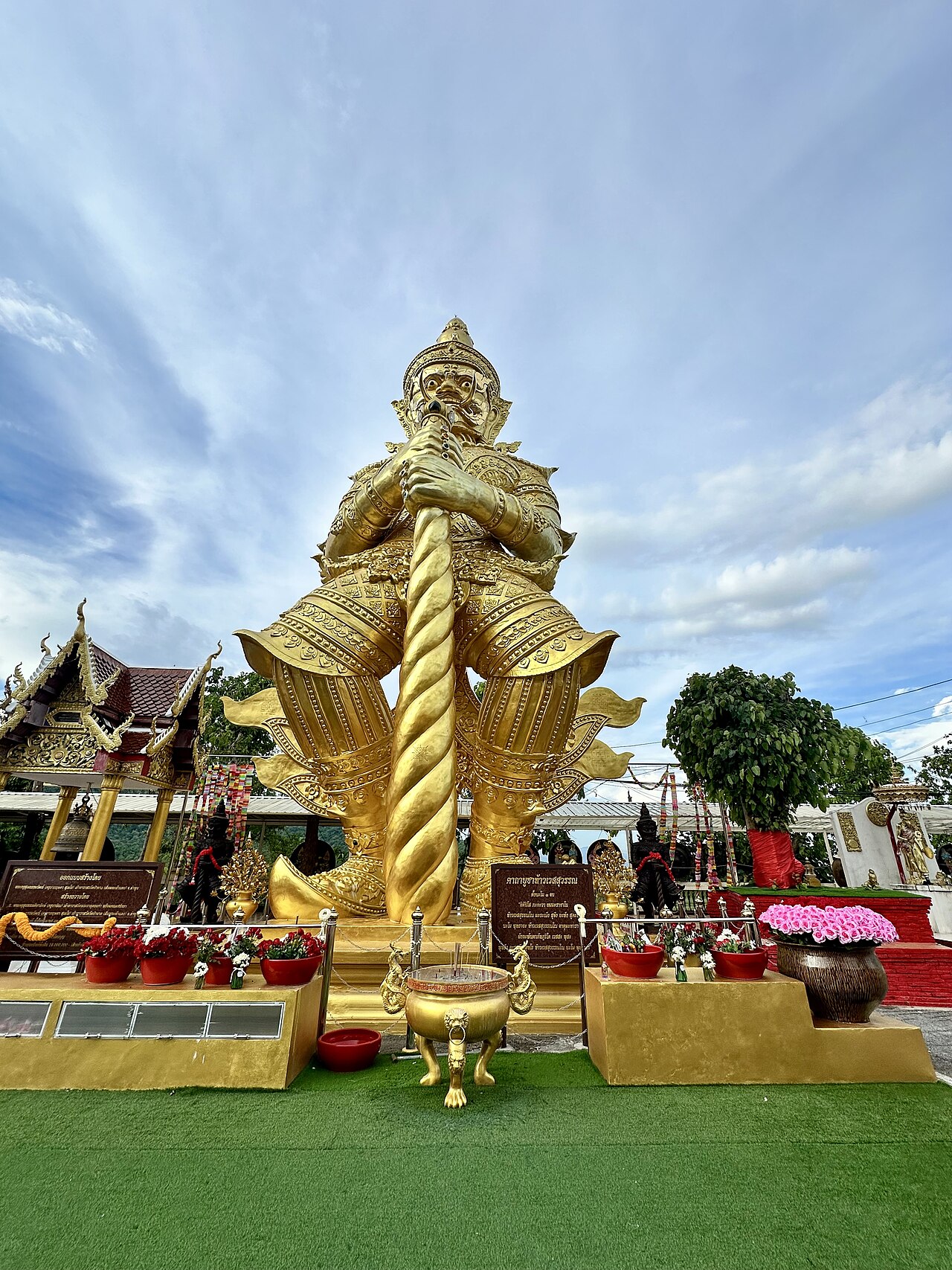
| Shape · ทรง | รูปยักษ์ยืนถือกระบอง — ตั้งแต่รูปหล่อตั้งบูชาจนถึงจี้ห้อยคอและแผ่นยันต์ติดประตู A standing yaksha figure holding a club, scaled from gate statue to shelf figure to neck pendant; also cut as a flat gate-plaque or yantra |
|---|---|
| Worn · การพก | จี้ห้อยคอ หรือตั้งบูชาที่ประตูบ้าน ร้านค้า Worn as a pendant, or set at a gate, door or shop front; the same duty at every scale |
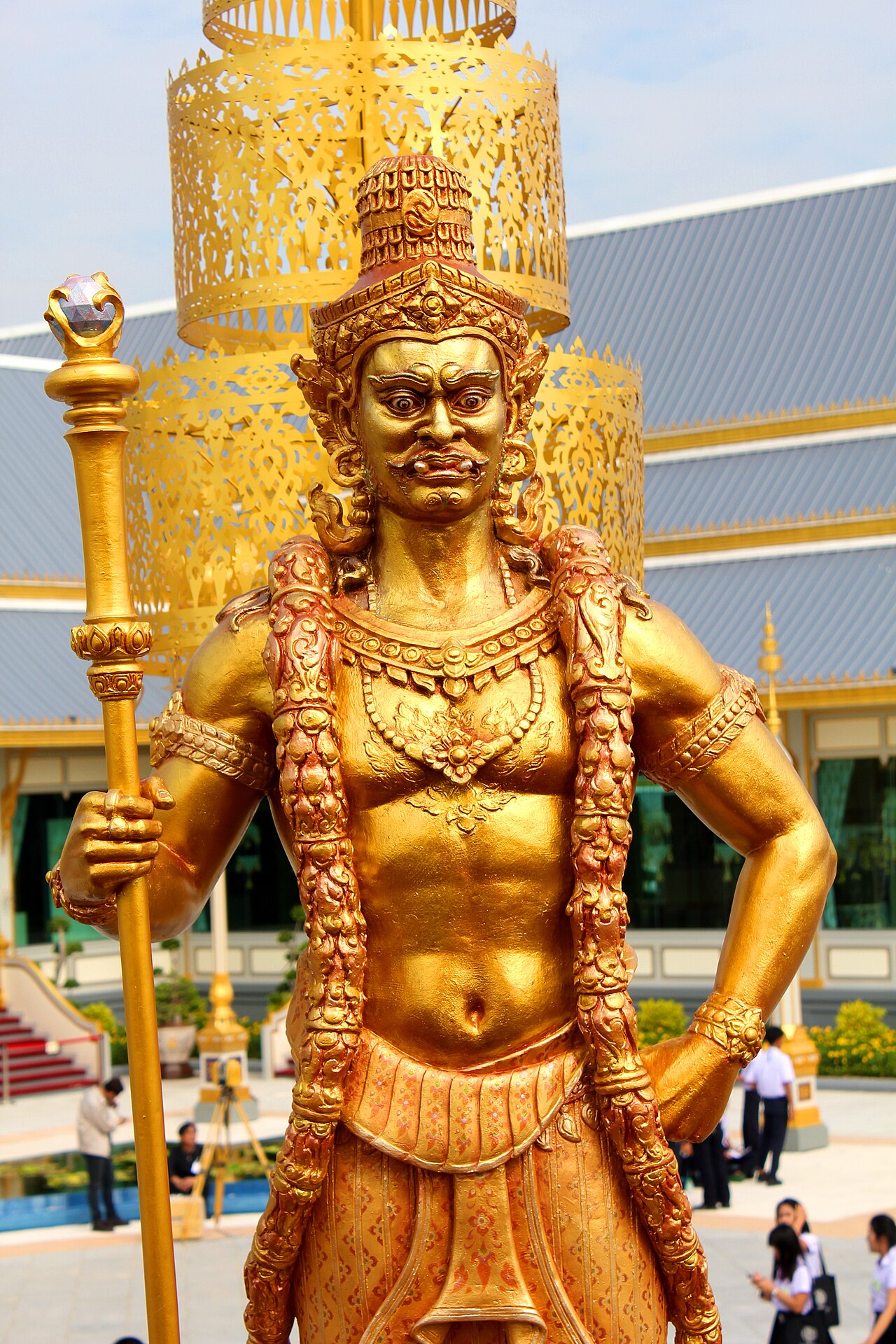
| Obverse · ด้านหน้า | ยักษ์ยืนกางขา สองมือกุมกระบองตั้งตรงหน้า The yaksha stands wide-legged, both hands on a club planted upright before him |
| Reverse · ด้านหลัง | มักลงยันต์หรือชื่อวัด รุ่น Usually a yantra, or the temple and run that issued it |
| Notes | Materials in the current retail market run to resin and plated alloy for statues and silver or brass for pendants; the vault key lists metal and earth. |
| Iconography · สัญลักษณ์ | ยักษ์ถือกระบอง a yaksha holding a club (ตะบอง / กระบอง) ยืนกางขาบนฐาน wide-legged stance on a base มงกุฎยอดแหลม เขี้ยว pointed crown and fangs of the giant-type (ยักษ์) face |
What to look at · จุดสังเกต
Type-level marks a reader can check by eye or loupe.
| รูปยักษ์ ไม่ใช่องค์พระ ไม่ใช่พระเกจิ — เทพที่บูชา ไม่ใช่ผีที่เลี้ยง A yaksha figure, never a Buddha or a monk: a venerated deva, not a raised spirit | Catalogue · จากคลัง |
| กระบองคือเครื่องหมายประจำตัว ถ้าไม่มีกระบองให้สงสัยว่าเป็นยักษ์ตนอื่น The club is the identifying attribute; a giant without one is likely another yaksha (a temple gate-guardian, a Ramakien figure) | Cited · อ้างอิง |
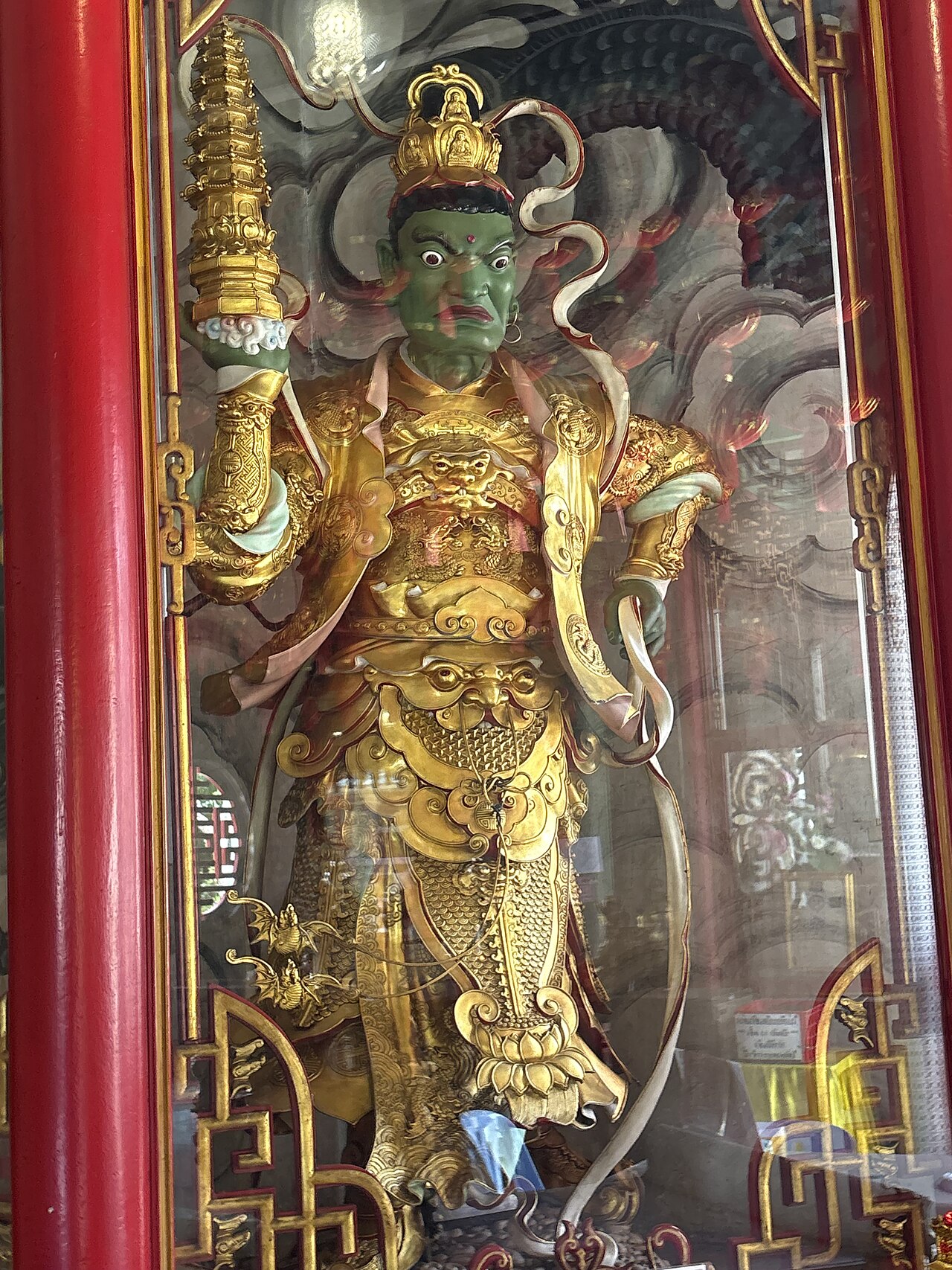
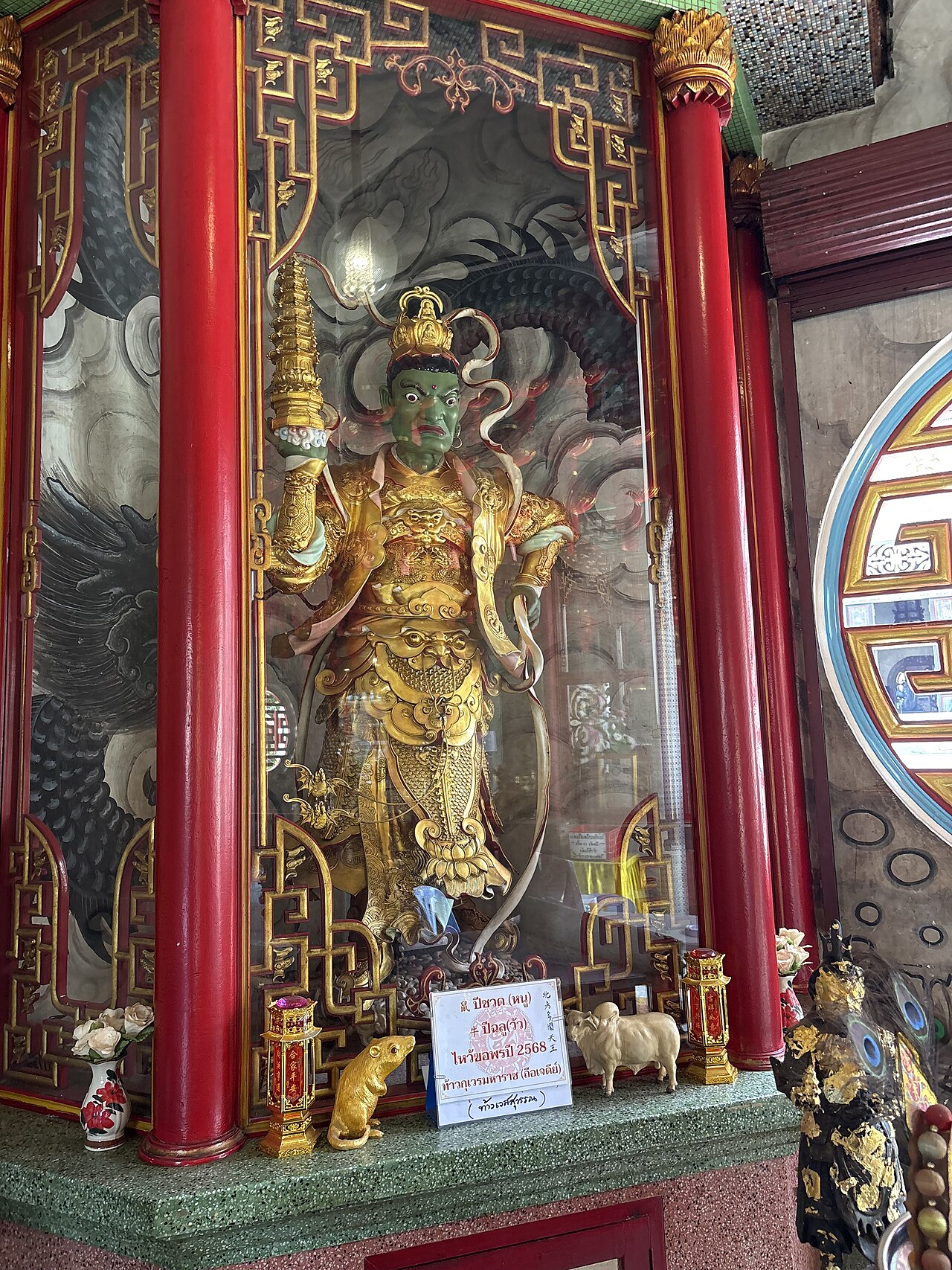
| ทิศเหนือ เจ้าแห่งยักษ์ หนึ่งในจาตุมหาราช — ตราของอัยการไทย Guardian of the north and lord of the yaksha, one of the Four Great Kings; the same figure is the emblem of the Thai public prosecutors, so an official seal is not an amulet | Cited · อ้างอิง |
| ของเก่าคือแผ่นยันต์แขวนเปลเด็ก ของใหม่คือรูปหล่อและจี้ The older form is a yantra or image hung at a child's cradle to keep spirits off the infant; the cast statue and pendant are the modern trade form | Cited · อ้างอิง |
| ตลาดปัจจุบันเป็นเรซิ่น ทองเหลืองชุบ เงิน — หมวดที่โตเร็วที่สุดหมวดหนึ่ง Current listings are resin, plated brass and silver, one of the fastest-growing categories in the market; volume says nothing about any one piece | Catalogue · จากคลัง |
How to tell it from · แยกจาก
| พญาครุฑ · Phaya Khrut (the garuda) | เวสสุวรรณเป็นยักษ์ยืนถือกระบอง · ครุฑเป็นครึ่งคนครึ่งนกกางปีก ทั้งคู่เป็นเทพที่บูชา Wessuwan is a standing giant with a club; the garuda is a winged man-bird. Same class (deva, veneration), different body — count the wings. |
|---|---|
| จตุคามรามเทพ · Jatukham Rammathep | จตุคามเป็นเหรียญกลมใหญ่ เทพนั่งกลางวงราหูหรือนักษัตร · เวสสุวรรณเป็นรูปยักษ์ยืนเต็มตัว Jatukham is a large round disc with a seated deva ringed by Rahu heads or zodiac animals; Wessuwan is a full standing yaksha figure, rarely a disc. |
| หุ่นพยนต์ · Hun Payon (animated effigy) | หุ่นพยนต์เป็นรูปคนถืออาวุธที่ถูกปลุกให้ทำงานและต้องเซ่น · เวสสุวรรณเป็นเทพ บูชาด้วยความเคารพ ไม่เลี้ยง A hun phayon is an armed man-figure animated to serve and fed daily; Wessuwan is a deva shown as a giant, owed respect and offerings, never a meal-a-day. |
| รูปหล่อ · cast monk figure | รูปหล่อคือรูปพระเกจิ ครองจีวร · เวสสุวรรณเป็นยักษ์สวมมงกุฎ A rup lo casts a monk in robes; Wessuwan is a crowned, fanged giant. Both are cast metal, so the face decides. |
The story · เรื่องเล่า Cited · อ้างอิง
เป็นหนึ่งในจาตุมหาราช เจ้าแห่งยักษ์และผู้รักษาทิศเหนือ ตามความเชื่อเก่าของไทย แขวนยันต์หรือรูปท้าวเวสสุวรรณไว้ที่เปลเด็กกันภูตผีรบกวน ปัจจุบันตั้งเป็นรูปเคารพหน้าบ้านหน้าร้าน กันคุณไสยและรักษาทรัพย์ กระแสบูชาแรงขึ้นมากหลังรูปองค์ใหญ่ที่วัดจุฬามณี สมุทรสงคราม ราว พ.ศ. ๒๕๖๕
One of the Four Great Kings, lord of the yaksha and guardian of the north. The older Thai use is a yantra or small image hung at a baby's cradle so no spirit troubles the child; the modern one is a figure at the door of a house or shop, keeping ghosts and black magic off the threshold and guarding what is stored inside. The trade form took off around 2022 after the large statue at Wat Chulamani in Samut Songkhram drew crowds, and the same duty now sells at every scale from garden statue to silver pendant. His image is also the emblem of the Thai public prosecutors, which tells you how he is read: an enforcer, not a benefactor.
Keeping · การเลี้ยงดู Catalogue · จากคลัง
มีเทพสถิตในความหมายของการบูชา ถวายดอกไม้ ธูปเทียน น้ำ ด้วยความเคารพ ไม่ต้องเลี้ยงข้าว วางลงได้
Someone is home, at the deva tier: owed veneration — flowers, incense, water, respect — not feeding. Can be set down; not a spirit with a history that bites.
Pictures · ภาพ
Pieces · ชิ้นจริง (1)
Single pieces photographed here that resemble this kind.
Sources · แหล่งที่มา
- manuscript-wiki/data/holding_key.json — the 36-kind identification key behind wichaa.net/holding (vault; own)
- wichaa-vault _meta/vocab/classes.md — class axis (resident / upkeep / provenance_sensitivity) (vault; own)
- ท้าวเวสวัณ — วิกิพีเดีย (wikipedia; CC BY-SA 4.0)
- Vessavana — Wikipedia (wikipedia; CC BY-SA 4.0)
- amulet-reference.html — 22 specimen cards, 7 formula cards, 112-term market taxonomy (2026-07) (vault; own)
- General knowledge of the Thai / Lanna amulet tradition (model training + secondary literature), hedged — never a specific date, title or scholar unless separately cited (book; n/a)
Default provenance: Tradition · ตามประเพณี axes → Catalogue · จากคลัง text.what_en → Catalogue · จากคลัง text.keeping_en → Catalogue · จากคลัง text.story_en → Cited · อ้างอิง origin.era_en → Cited · อ้างอิง form.notes_en → Catalogue · จากคลัง market → Catalogue · จากคลัง names.aliases → Cited · อ้างอิง · confidence high · updated 2026-09-02