หุ่นพยนต์ hun phayon · Hun Payon (animated effigy)
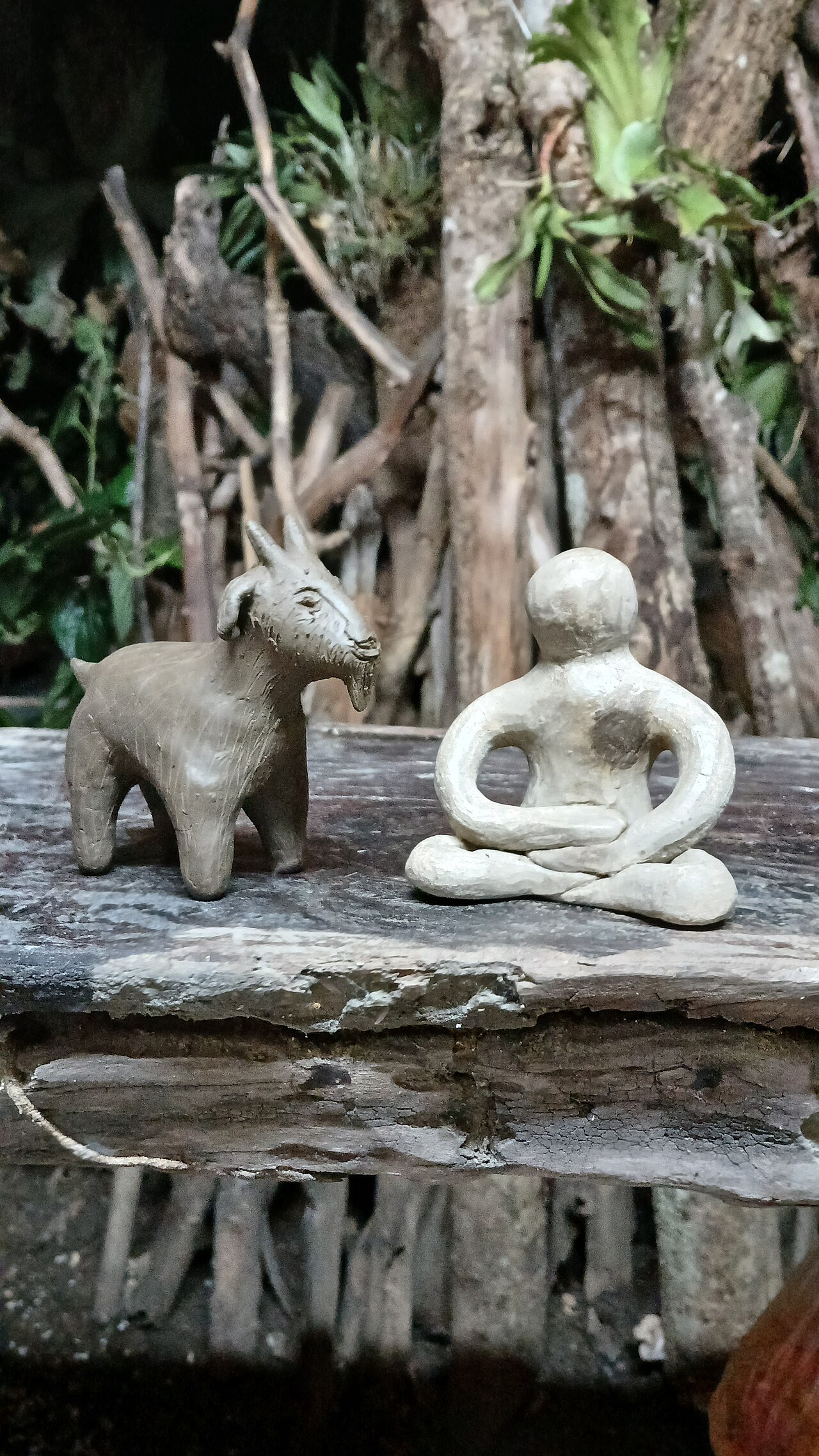
📷 ถือชิ้นนี้อยู่? ถ่ายรูปเทียบ · Holding one? Photograph it to compare 🔍 ค้นหา · search Hun Payon (animated effi
หุ่นรูปคน — ดิน ฟาง ผ้า หรือโลหะ — ที่ถูกปลุกด้วยยันต์และคาถาให้ทำหน้าที่เป็นผู้รับใช้หรือผู้เฝ้า ผู้อยู่ในหุ่นคือสิ่งที่ถูกบังคับให้ขยับ ไม่ใช่ผีที่มีชื่อหรือเทพที่บูชา จึงเป็นหมวดของตัวเอง
An effigy — figure, cloth, or metal — animated by yantra and spell to act as a servant or guardian. The occupant is a compelled animation rather than a named ghost or venerated deva, which is what makes it its own class.
also: พยนต์ · หุ่นพยนต์เฝ้าทรัพย์ · หุ่นฟาง · hun payon · hoon payon · hun payont · hun phayont · servant effigy · straw golem · guardian effigy
At a glance · โดยย่อ
| Class · หมวด | หุ่นพยนต์ animated effigy / servant-golem Catalogue · จากคลัง |
|---|---|
| Resident · ผู้อยู่ | animated |
| Upkeep · การเลี้ยง | veneration |
| Provenance sensitivity | medium |
| Form · รูปแบบ | figure · รูปหล่อ/รูปปั้น |
| Material · เนื้อ | เนื้อดิน clay body |
| Function · คุณ | คุ้มครอง general protection, watching over · กันผี warding spirits |
| Region · ถิ่น | ภาคกลาง Central Thailand (Bangkok, Ayutthaya basin) · ทั่วประเทศไทย Thailand, not regionally specific |
| Maker · ผู้สร้าง | ตำราสร้างเครื่องรางของขลัง (ไม่ระบุผู้แต่ง) Anonymous amulet-making treatise, manuscript 6983 |
| Era · ยุค | ตำราไม่ระบุปี Undated treatise; the practice is older than any surviving print of it Catalogue · จากคลัง |
| Retail market (Lazada TH titles) | 349 listings · ฿89–650 typical · median ฿299 Catalogue · จากคลัง |
Form · รูปทรง Catalogue · จากคลัง
| Shape · ทรง | รูปคนถือกระบอง ปั้นจากดิน หรือหุ่นผูกจากซังข้าว ๓๒ เส้น ถือหอก A man-shaped figure: moulded from earth, holding a club (method 1), or bound from 32 rice-straw stalks with a spear (method 2). Modern retail pieces are small cloth or straw figures, sometimes wrapped in a yantra cloth and cased. |
|---|---|
| Worn · การพก | ไม่ได้ห้อยคอ ตั้งไว้ในโรงศาลเล็กๆ Not worn in the treatise form; it is housed in a small shrine. Cased pocket versions exist in the modern market. |
| Obverse · ด้านหน้า | รูปคนทั้งตัว มักมีผ้ายันต์พันหรือหุ้ม A whole figure, often wrapped or clothed in cloth inscribed with yantra |
| Notes | The treatise seals a yantra wrapped around one fueang of quicksilver inside the belly, with further ingredients that are not reproduced here. |
| Iconography · สัญลักษณ์ | รูปคนถือกระบองหรือหอก a man holding a club or spear ยันต์สี่เหลี่ยมครอบข้าวหลามตัด (ตารางเลข ๑–๘) square yantra enclosing a diamond magic square numbered 1–8 ห่อผ้าตามตำรา (วิธีที่ ๒) a cloth wrapping per the treatise (method 2) |
What to look at · จุดสังเกต
Type-level marks a reader can check by eye or loupe.
| เป็นรูปคน ไม่ใช่องค์พระ ไม่ใช่เหรียญ It is a person-shaped figure, never a Buddha image or a medallion | Catalogue · จากคลัง |
| วัสดุคือดิน ฟาง ผ้า หรือโลหะหล่อ ไม่ใช่ผงอัดพิมพ์ Body is earth, straw, cloth or cast metal, not pressed powder | Catalogue · จากคลัง |
| มักมีผ้ายันต์พันหรือรูที่ท้องสำหรับบรรจุ Look for a yantra wrapping and a sealed cavity in the belly where the charge sits | Catalogue · จากคลัง |
| ตำราให้ทำโรงศาลเล็กๆ และเซ่นเหล้าข้าวทุกวัน — ของที่ต้องเลี้ยงคือหุ่นพยนต์ ไม่ใช่พระเครื่อง The treatise houses it in a small shrine and feeds it liquor and rice daily. A kept-and-fed object is a hun payon or a kuman, never a phra khrueang | Catalogue · จากคลัง |
How to tell it from · แยกจาก
| พระสมเด็จ · Phra Somdej | หุ่นพยนต์คือหุ่นที่ถูกปลุกให้ทำงาน ต้องเซ่น · พระสมเด็จคือองค์พระอัดผง ไม่มีผู้อยู่ A hun payon is a figure compelled to serve and fed; a somdej is a pressed Buddha tablet with nobody home. Shape and feeding separate them. |
|---|---|
| กุมารทอง · Kuman Thong (raised child-spirit) | กุมารทองเป็นรูปเด็กที่มีวิญญาณเด็กเลี้ยงไว้อย่างลูก · หุ่นพยนต์เป็นรูปผู้ใหญ่ถืออาวุธ เป็นการปลุกให้ขยับ ไม่ใช่ผีที่มีชื่อ A kuman thong is a child figure housing a raised child-spirit, kept as family; a hun payon is an armed adult figure whose occupant is an animation, not a named ghost. Class and upkeep differ. |
| นางกวัก · Nang Kwak (the beckoning lady) | นางกวักเป็นรูปหญิงกวักมือ เป็นเทพที่บูชา · หุ่นพยนต์เฝ้าทรัพย์และขู่โจร Nang Kwak is a beckoning woman venerated for trade; a hun payon guards property and frightens thieves |
The story · เรื่องเล่า Catalogue · จากคลัง
ตำราให้สองวิธี วิธีแรกปั้นดินเป็นรูปคนถือกระบอง ลงยันต์ห่อปรอทหนักหนึ่งเฟื้องยัดลงท้อง แล้วอธิษฐานให้เฝ้าคนร้าย “ให้ทำแต่เพียงลำบาก อย่าให้ถึงตาย” วิธีที่สองผูกหุ่นจากซังข้าว ๓๒ เส้น ใส่ตอก ห่อผ้า ถือหอก ภาวนาอาการ ๓๒ จนเสร็จ แล้วปลุกด้วยคาถา “ปลุก ปลุก ปลุก” ทั้งสองวิธีตำราให้สูตรทำ ไม่นำส่วนผสมมาลงที่นี่
The treatise gives two recipes. In the first, earth is moulded into a man holding a club; a yantra wrapped round a fueang of quicksilver goes into the belly, and the maker resolves aloud that it should watch for thieves and cause them only hardship, never death. In the second, thirty-two stalks of rice straw are bound with splints, wrapped in cloth, given a spear, and the maker meditates through the thirty-two parts of the body while binding, then wakes it with a katha whose Thai words are simply 'wake, wake, wake'. For both, the treatise gives a making-recipe; its ingredients are not reproduced here. It goes into a small shrine, gets liquor and rice every day, and is told its instructions. Thieves, the text says, see it as a living person.
Keeping · การเลี้ยงดู Catalogue · จากคลัง
ถวายความเคารพ เซ่นเหล้าข้าวตามตำรา และสั่งความให้รู้หน้าที่
Kept with respect: offerings and regard, and told its job. Worth asking who kept it before you.
Pictures · ภาพ
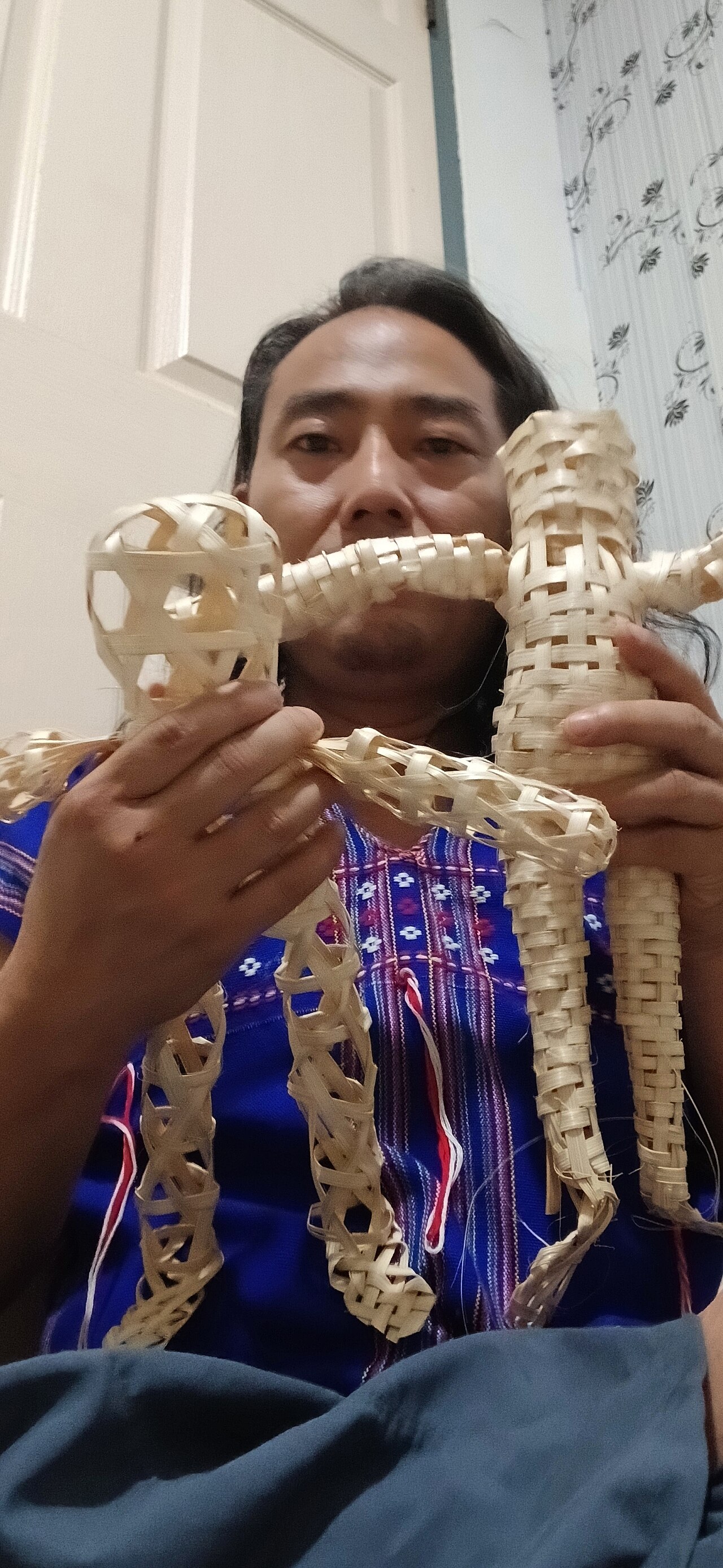
Pieces · ชิ้นจริง (1)
Single pieces photographed here that resemble this kind.
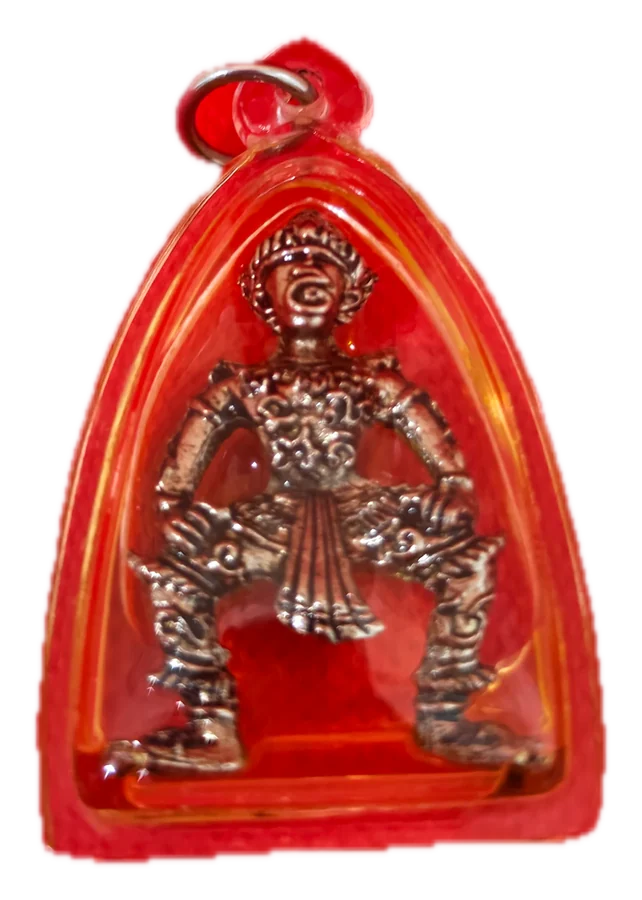
Sources · แหล่งที่มา
- wichaa-vault _meta/vocab/classes.md — class axis (resident / upkeep / provenance_sensitivity) (vault; own)
- ตำราสร้างเครื่องรางของขลัง — amulet-making treatise, manuscript 6983, bilingual transcription (170 pp, 160 formulas) (treatise; contributed volume; katha not proofed by a scholar)
- manuscript-wiki/data/holding_key.json — the 36-kind identification key behind wichaa.net/holding (vault; own)
- amulet-reference.html — 22 specimen cards, 7 formula cards, 112-term market taxonomy (2026-07) (vault; own)
Default provenance: Catalogue · จากคลัง axes → Catalogue · จากคลัง text.what_en → Catalogue · จากคลัง form.shape_en → Catalogue · จากคลัง form.wearable_en → Tradition · ตามประเพณี names.aliases → Inference · อนุมาน market → Catalogue · จากคลัง · confidence high · updated 2026-09-02