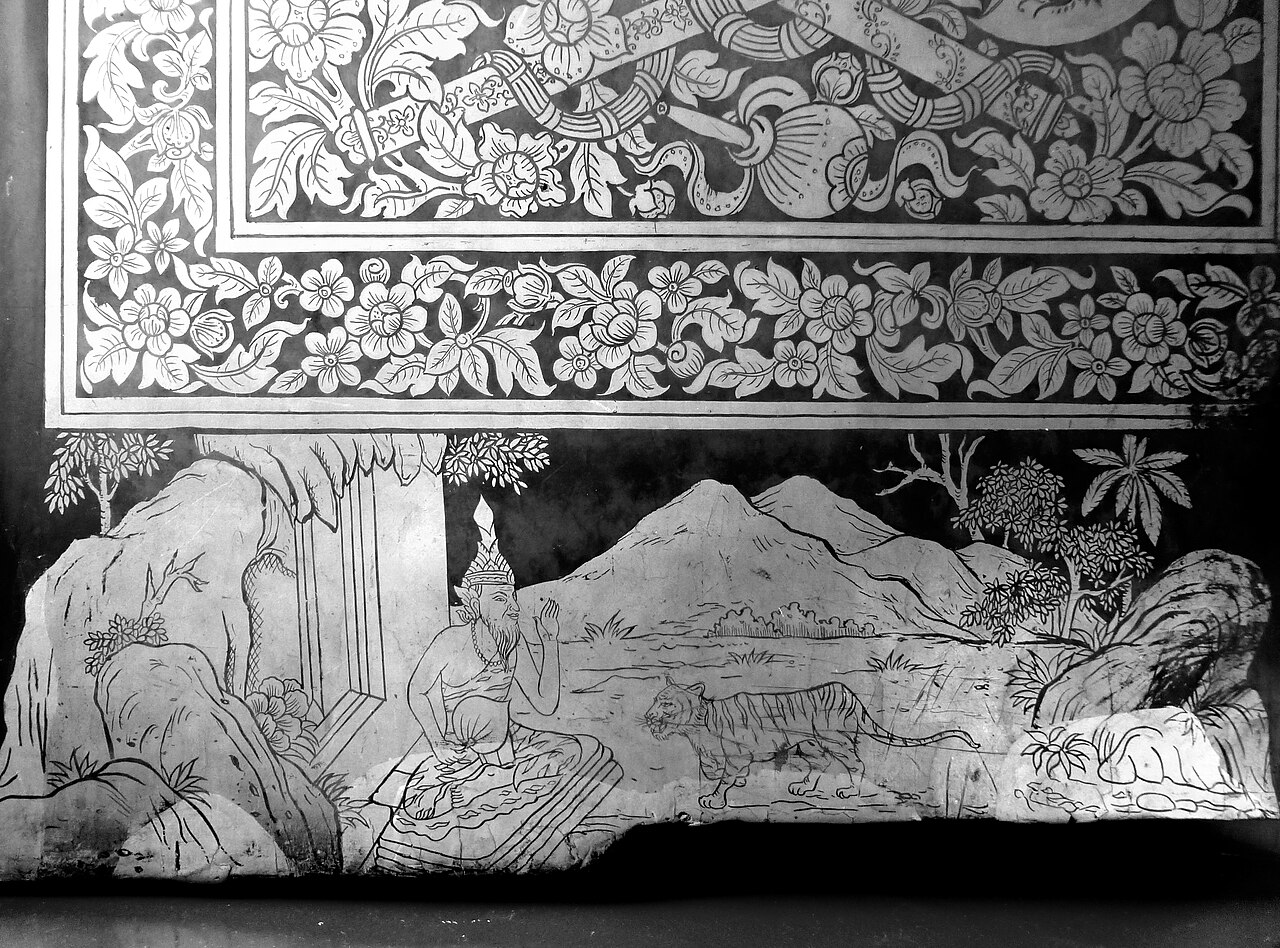
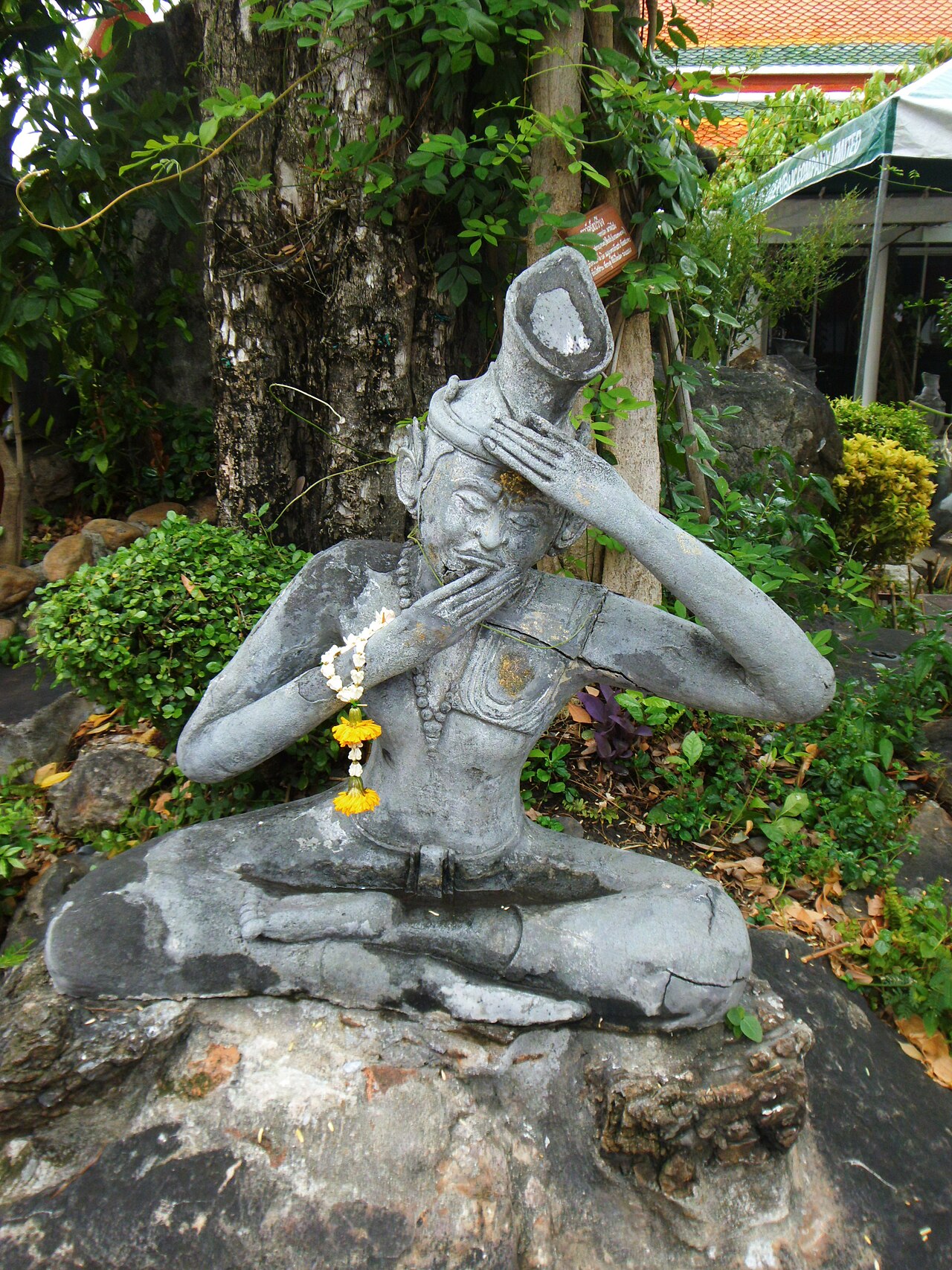
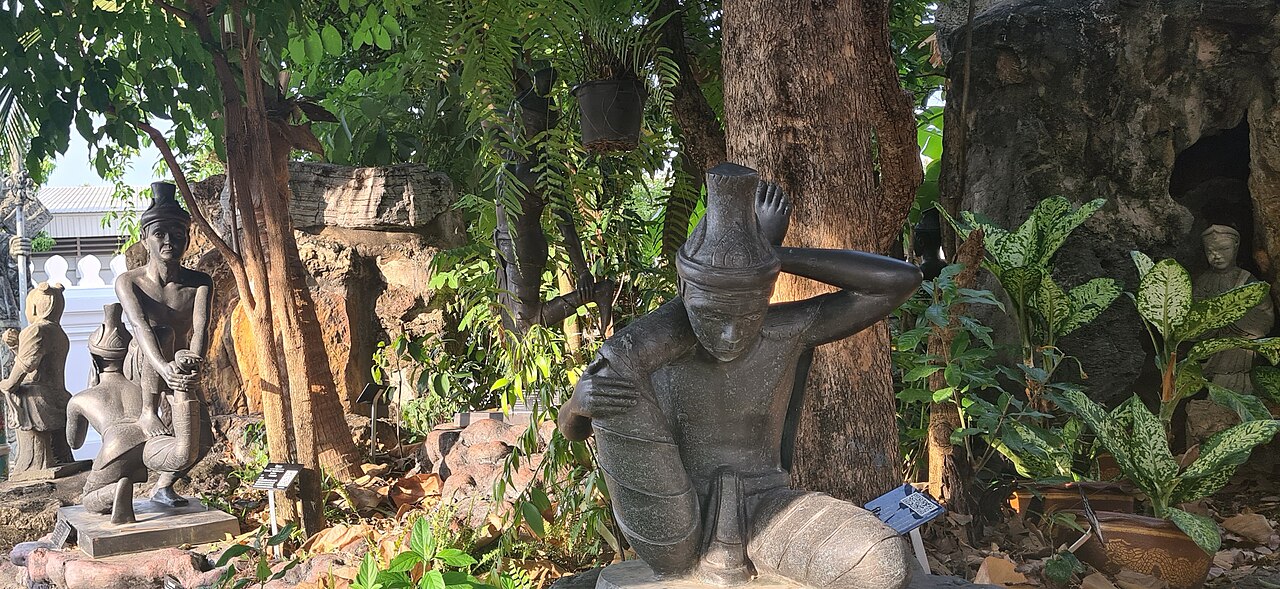
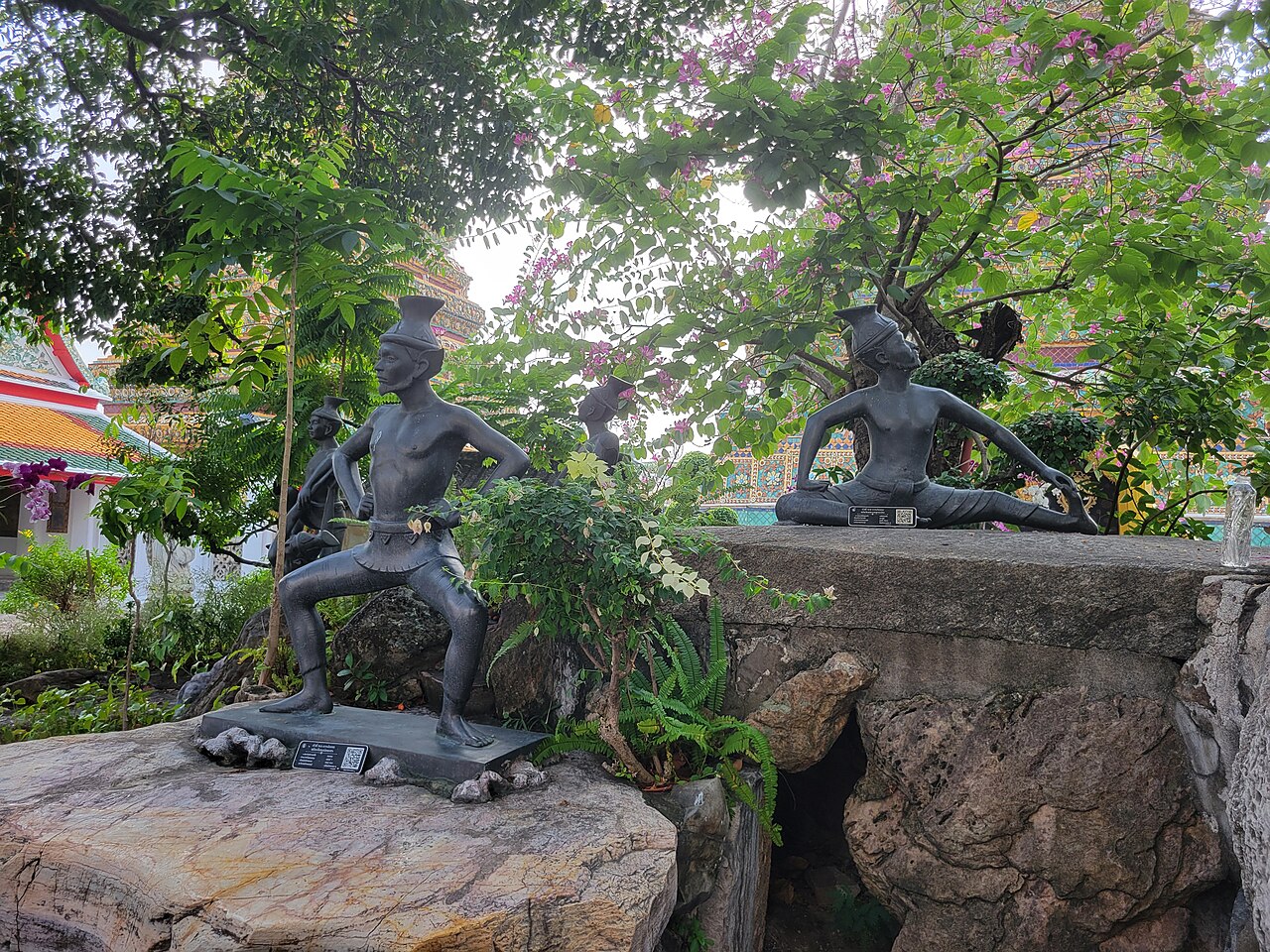
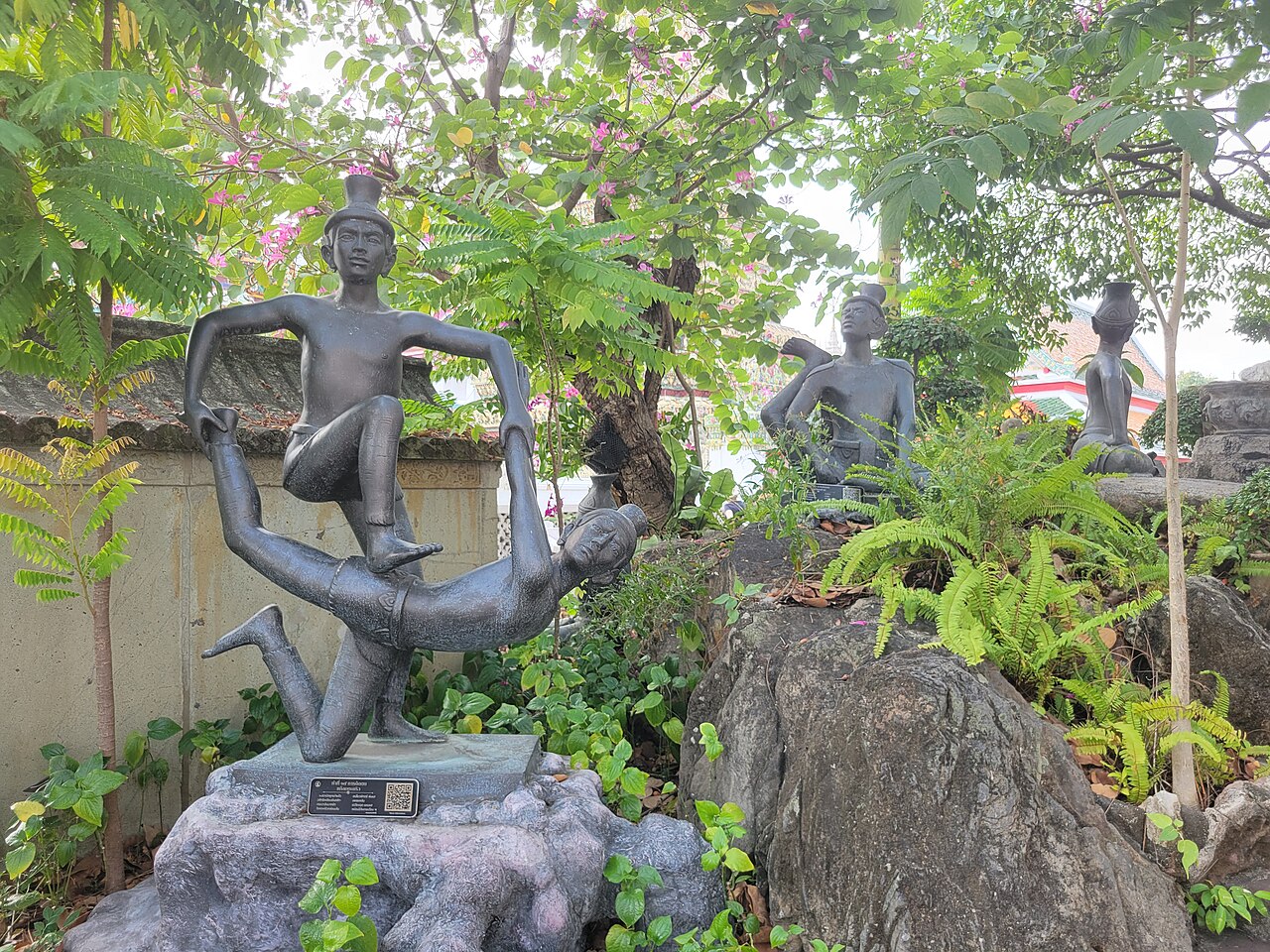
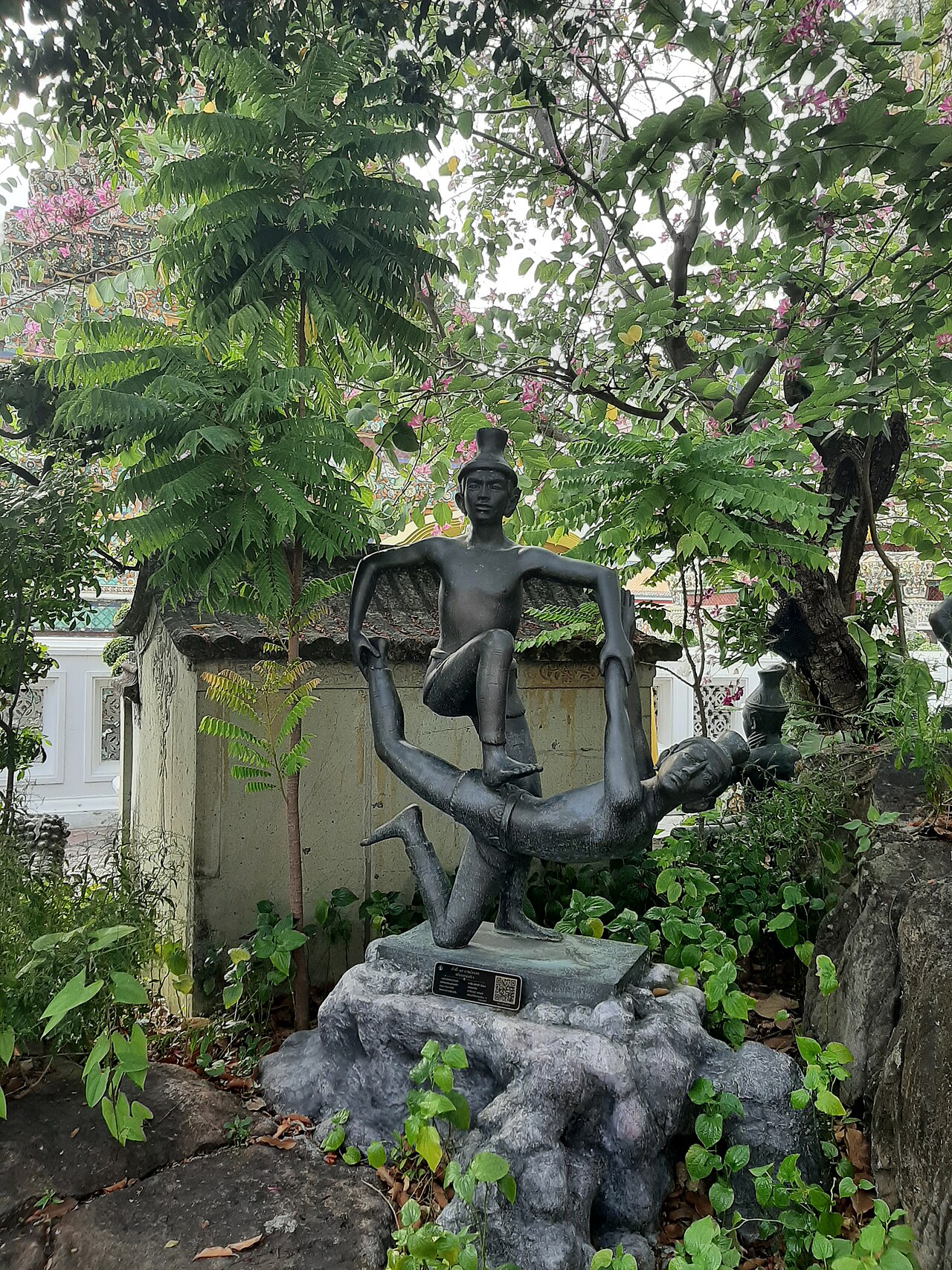
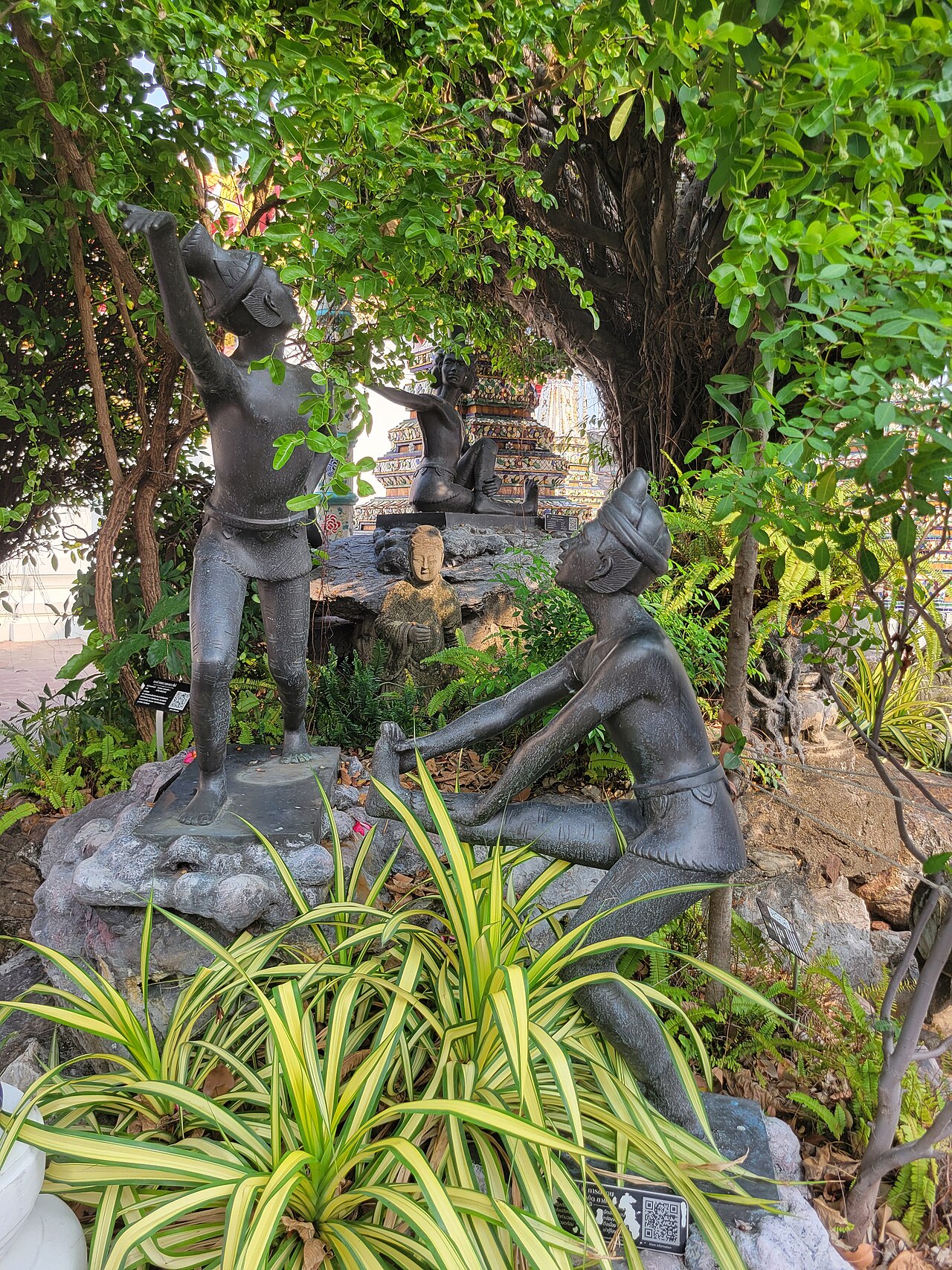
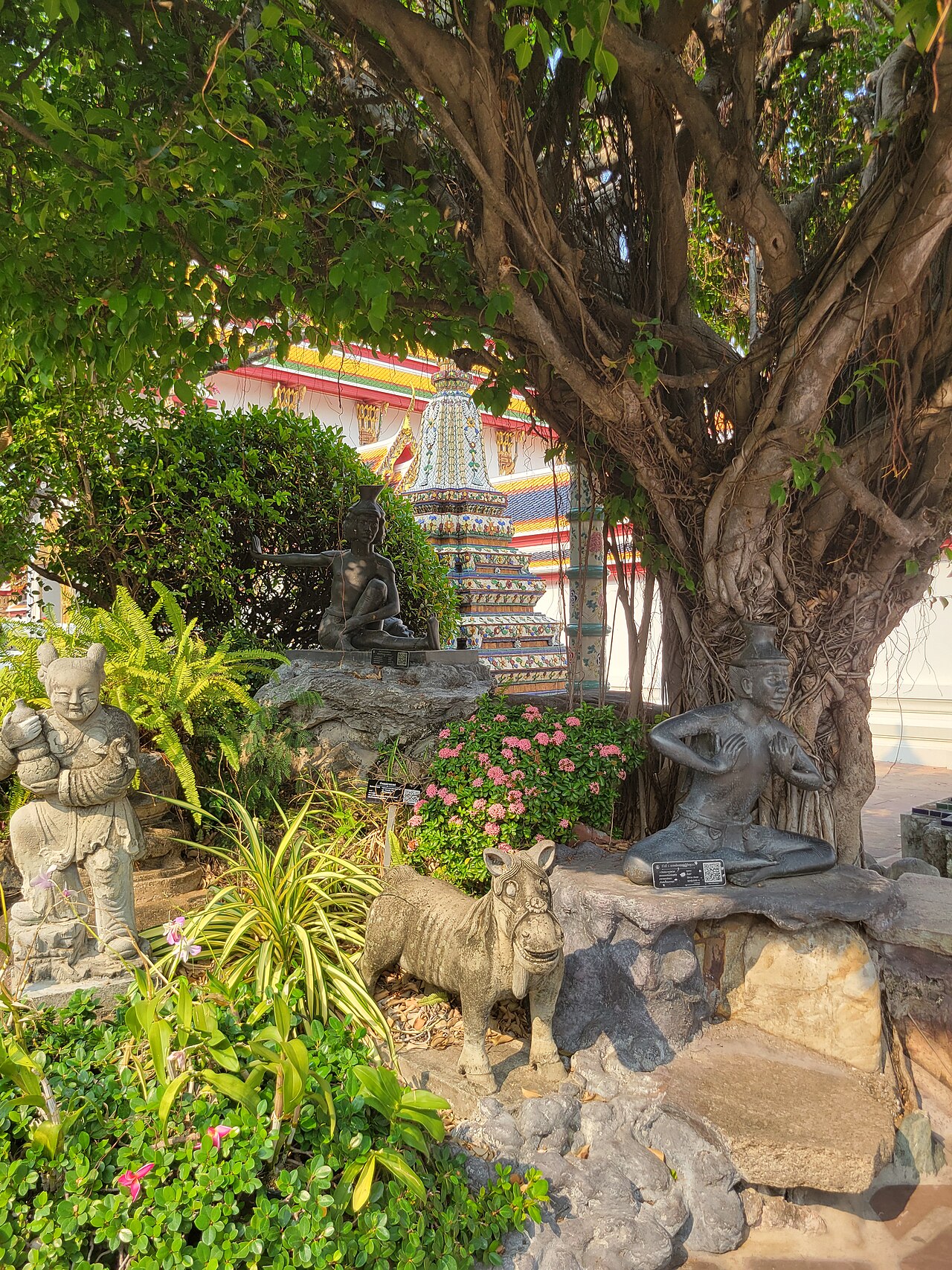
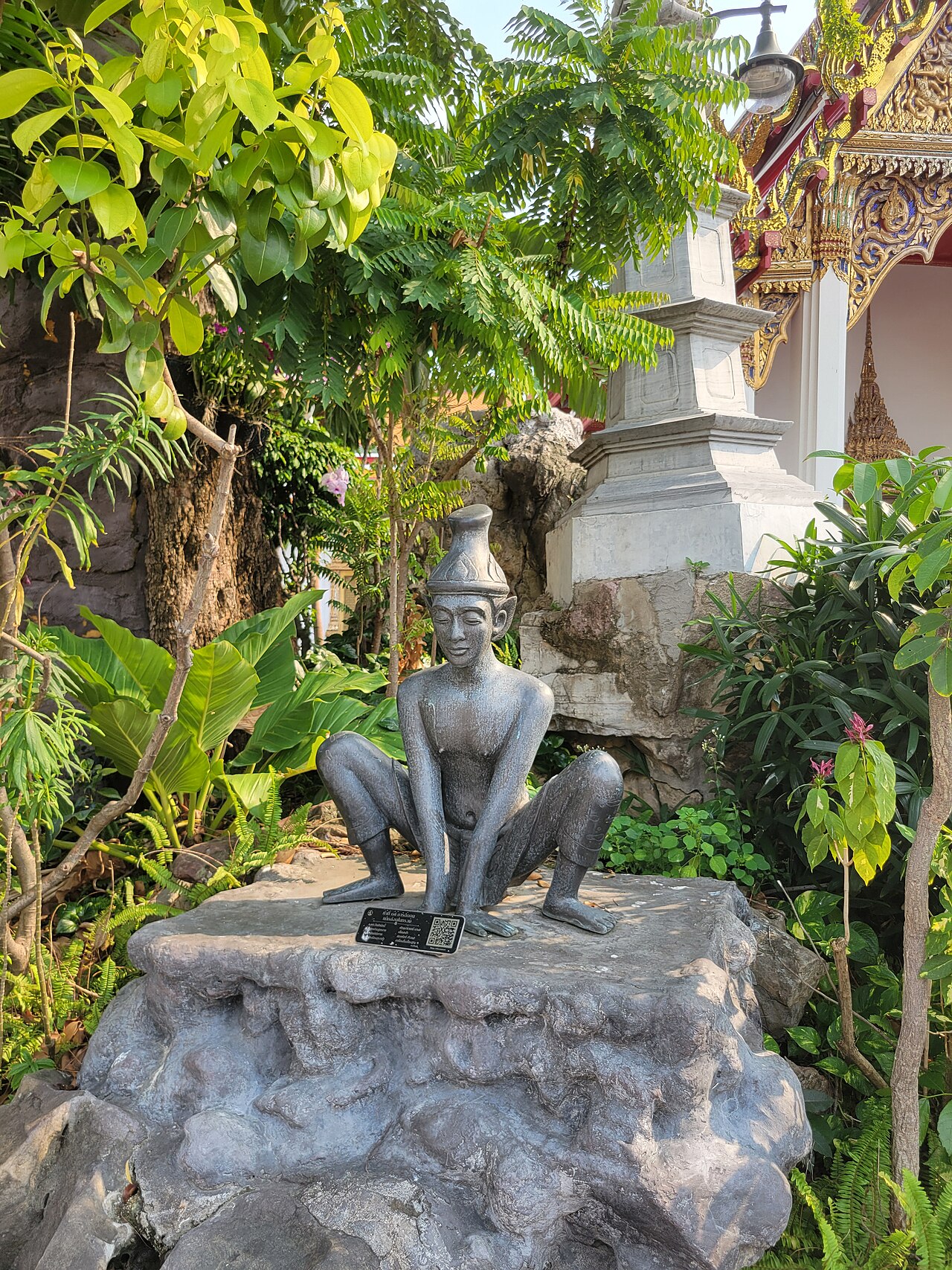
รูปพระฤๅษี rup phra ruesi · Phra Lersi figure (the hermit-teacher)
📷 ถือชิ้นนี้อยู่? ถ่ายรูปเทียบ · Holding one? Photograph it to compare 🔍 ค้นหา · search Phra Lersi figure (the h
รูปพระฤๅษีห่มหนังเสือ ครูของวิชาทั้งปวง บูชาในวันไหว้ครู ตำราในชุดนี้ให้วิธีปั้น: ดินยอดปลวกและใบไม้ ๗ อย่าง ปั้นเป็นพระมหาฤๅษี
The tiger-skinned hermit sage — the tradition's own teacher-figure, honoured at every wai khru. A treatise in this corpus gives a moulding recipe: termite-mound earth and seven named leaves, shaped into the Great Lersi.
also: ฤๅษี · ฤาษี · พระฤๅษี · พ่อแก่ · ปู่ฤๅษี · lersi · ruesi · reusi · pho kae · hermit sage · rishi figure · Por Gae
At a glance · โดยย่อ
| Class · หมวด | ยังไม่ชี้ขาด left to a knower Catalogue · จากคลัง |
|---|---|
| Resident · ผู้อยู่ | left to a knower |
| Upkeep · การเลี้ยง | left to a knower |
| Provenance sensitivity | — |
| Form · รูปแบบ | figure · รูปหล่อ/รูปปั้น |
| Material · เนื้อ | เนื้อดิน clay body · เนื้อโลหะ metal (unspecified) · ทองเหลือง brass |
| Function · คุณ | คุ้มครอง general protection, watching over |
| Region · ถิ่น | ทั่วประเทศไทย Thailand, not regionally specific |
| Maker · ผู้สร้าง | ตำราสร้างเครื่องรางของขลัง (ไม่ระบุผู้แต่ง) ให้ ๓ วิธี Anonymous amulet-making treatise, manuscript 6983, three moulding methods |
| Era · ยุค | ตำราไม่ระบุปี Undated treatise Catalogue · จากคลัง |
| Retail market (Lazada TH titles) | 101 listings · ฿69–730 typical · median ฿129 Catalogue · จากคลัง |
Form · รูปทรง Catalogue · จากคลัง
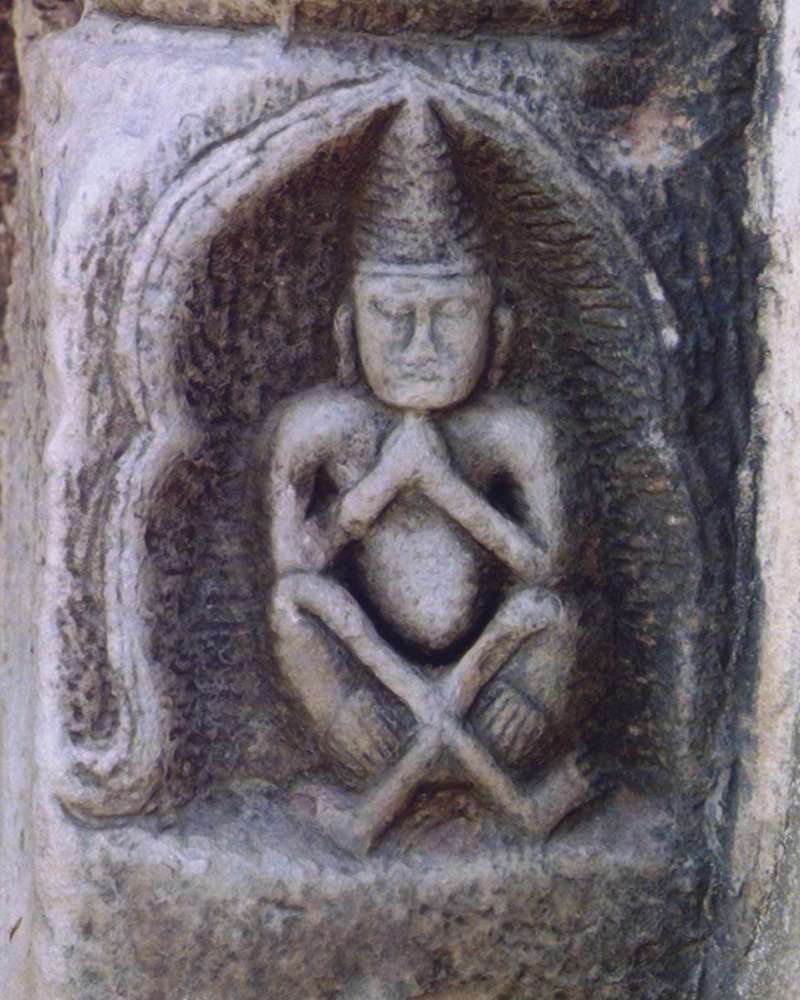
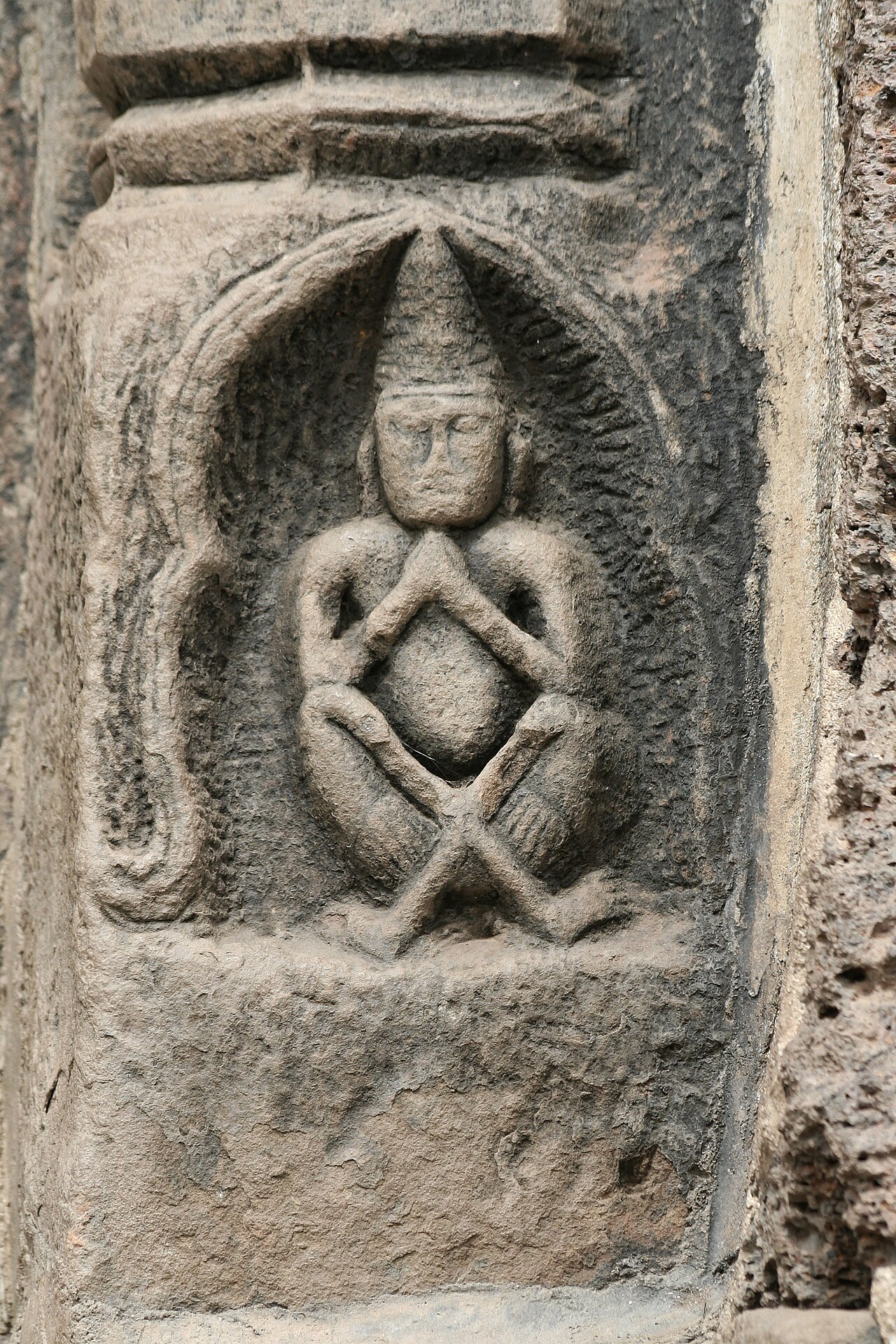
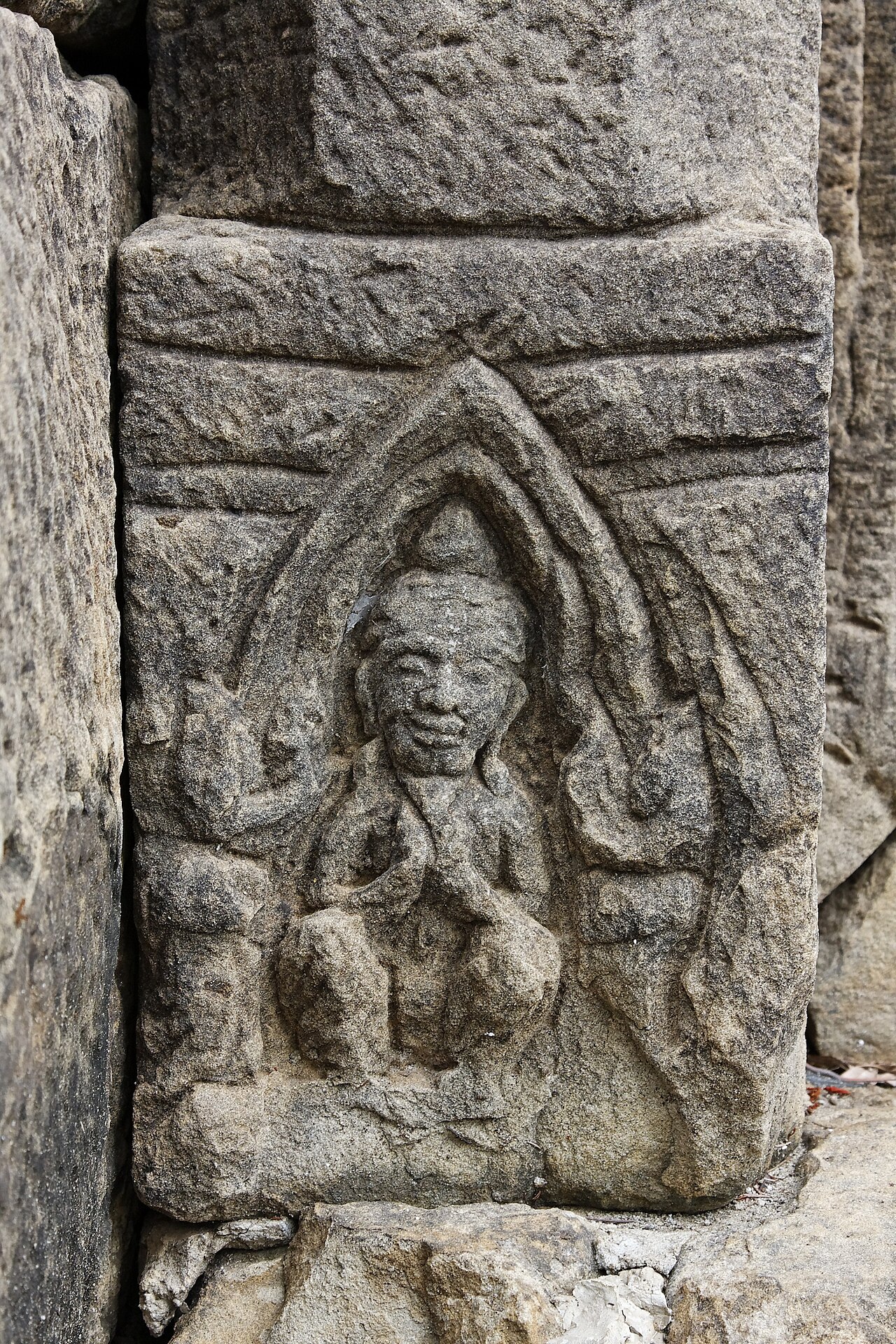
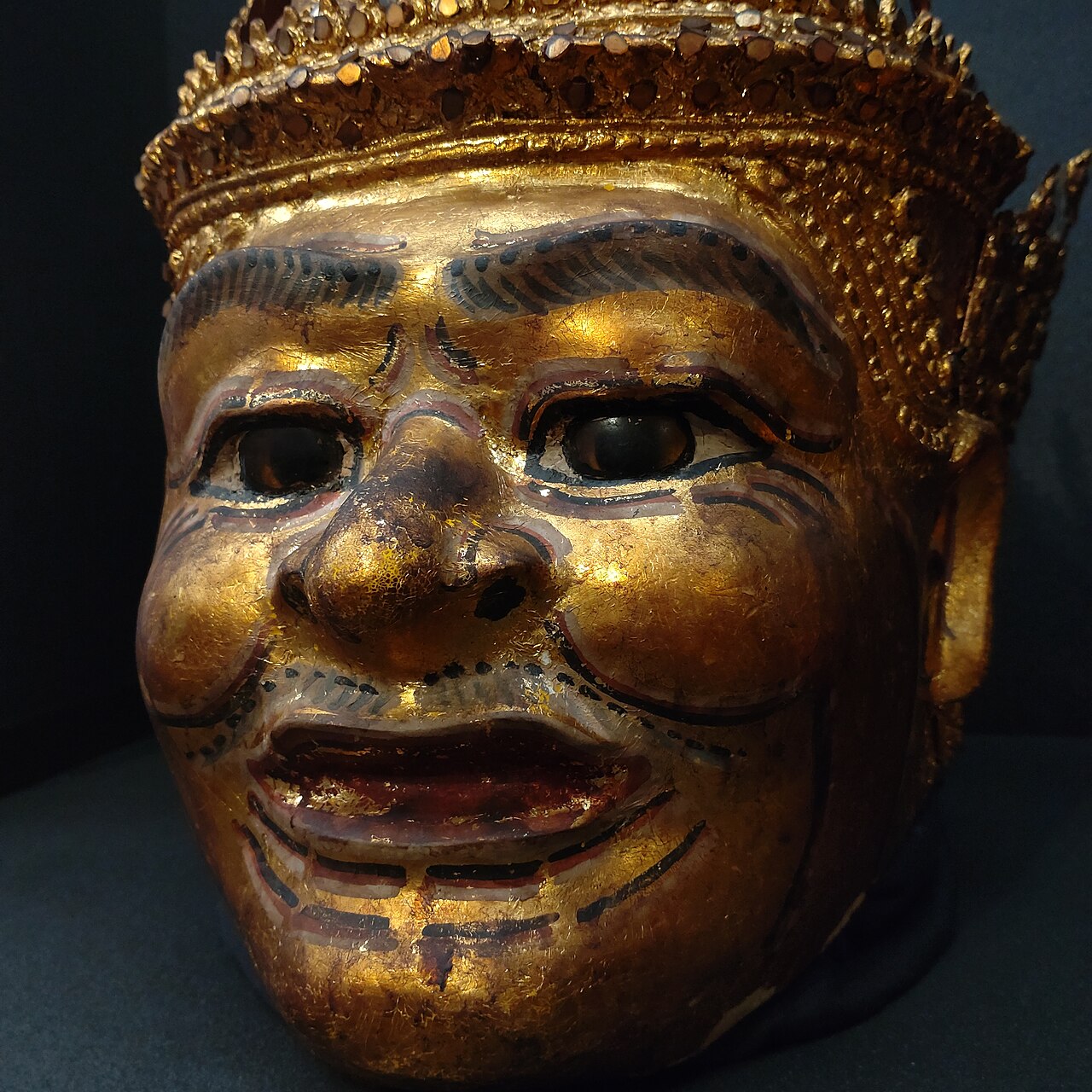
| Shape · ทรง | ฤๅษีนั่งขัดสมาธิ ชฎาสูง หนวดเครา ห่มหนังเสือ มือขวาถือลูกประคำ — รูปปั้นดิน รูปหล่อ และหน้ากากพ่อแก่ A bearded hermit seated cross-legged in a tall chignon-crown, tiger-skin over the shoulder, a rosary in the right hand; moulded earth, cast metal, and the mask-head type (พ่อแก่) used on teacher-shrines |
|---|---|
| Worn · การพก | รูปตั้งบูชาบนหิ้งครูเป็นหลัก มีจี้และล็อกเก็ตด้วย Chiefly a shelf figure on the teacher's altar; pendants and lockets exist |
| Obverse · ด้านหน้า | ฤๅษีนั่ง มือซ้ายตั้งบนตัก มือขวาถือลูกประคำ ตามตำราแบบที่ ๓ Seated hermit, left hand on the lap, right hand holding a rosary (treatise method 3) |
| Reverse · ด้านหลัง | เรียบ หรือลงเลขยันต์ Plain, or numeral yantra |
| Notes | Method 3 places numerals on the body: 1 at the crown, 9 on both upper arms, 2 on both knees, 7 at the front of the base. No function key fits 'mastery of healing and mantra'; khum_khrong stands for method 2's claim that the katha wards off every danger. |
| Iconography · สัญลักษณ์ | ห่มหนังเสือ tiger-skin worn over the shoulder ชฎาสูง หนวดเครายาว tall chignon-crown and long beard ลูกประคำในมือขวา a rosary in the right hand เลข ๑ ๙ ๒ ๗ ตามร่าง treatise numerals 1, 9, 2, 7 at crown, arms, knees and base |
What to look at · จุดสังเกต
Type-level marks a reader can check by eye or loupe.
| รูปคน ไม่ใช่องค์พระ ไม่ใช่พระเกจิ — ฤๅษีมีชฎา หนวด และหนังเสือ พระภิกษุมีจีวรและศีรษะโล้น A human figure, not a Buddha and not a monk: the hermit has a chignon-crown, beard and tiger-skin where a monk has robes and a shaven head | Catalogue · จากคลัง |
| ตำราปั้นจากดินยอดปลวก ๗ แห่ง — เนื้อดินหยาบ ไม่ใช่ผงอัด Treatise pieces are moulded from termite-mound earth gathered at seven places (method 2 adds earths gathered by sevens from named places): a coarse earth body, not pressed powder | Catalogue · จากคลัง |
| ใบไม้ ๗ อย่างบรรจุในองค์ — ชุมแสง ราชพฤกษ์ มะคำไก่ มะตูม คันทรง กัลปพฤกษ์ ไชยพฤกษ์ Seven named leaves are sealed inside: chumsaeng, ratchaphruek, makham-kai, matum (bael), khan-song, kanlapaphruek, chaiyaphruek — a filled cavity is the type's mark | Catalogue · จากคลัง |
| หน้ากากพ่อแก่ (หัวโขนฤๅษี) เป็นรูปครูของนาฏศิลป์ คนละของกับรูปฤๅษีตั้งบูชา แม้เป็นบุคคลเดียวกัน The Pho Kae mask-head of the performing arts is a teacher-icon, not the amulet figure, though it is the same sage | Tradition · ตามประเพณี |
How to tell it from · แยกจาก
| ชูชก · Chuchok (the beggar of the Vessantara Jataka) | ชูชกเป็นตาแก่ขอทาน ถือไม้เท้าและย่าม ไม่มีชฎา · ฤๅษีมีชฎา หนังเสือ ลูกประคำ Chuchok is an old beggar with a staff and bag and no crown; the lersi has the chignon-crown, tiger-skin and rosary. Both are unplaced by the class vocabulary. |
|---|---|
| หลวงปู่ทวด · Luang Pu Thuat amulet | หลวงปู่ทวดเป็นพระภิกษุ ศีรษะโล้น ครองจีวร · ฤๅษีไว้ผมมวยและหนวด Luang Pu Thuat is a monk, shaven and robed; the hermit wears his hair up and his beard long. |
| พระสีวลี · Phra Siwali (the never-hungry monk) | พระสีวลียืน แบกกลดและไม้เท้า เป็นพระอรหันต์ · ฤๅษีนั่ง ถือลูกประคำ ไม่ใช่พระภิกษุ Phra Siwali stands with umbrella and staff and is an arahant monk; the lersi sits with a rosary and is no monk at all. |
| รูปหล่อ · cast monk figure | รูปหล่อคือพระเกจิ · ฤๅษีเป็นครูฆราวาส A rup lo is a cast monk; the hermit is a lay teacher-sage. Same casting, different head. |
The story · เรื่องเล่า Catalogue · จากคลัง
ตำราให้ ๓ วิธี แบบที่ ๑ สำหรับผู้จะเรียนหมอและถือมนต์ให้ขึ้น เอาดินยอดปลวก ๗ แห่งปั้นเป็นพระมหาฤๅษี บรรจุใบไม้ ๗ อย่าง ตั้งเครื่องกระยาบวช เสกคาถา นาโคคีรียะ ๑๐๘ แล้วอิติปิโส ๑๐๘ แบบที่ ๒ ผสมดินจากที่ต่างๆ ๗ แห่งกับใบไม้เผา (ตำราให้สูตรทำ ไม่นำส่วนผสมมาลงที่นี่) ตั้งเป็นประธานเวลาบดยา แบบที่ ๓ ปั้นนั่งขัดสมาธิ มือขวาถือลูกประคำ ลงเลขตามร่าง เสกใบไม้ ๑๐๘ คาบบรรจุในองค์ ตำราว่าผู้ใดพบตำรานี้เหมือนได้พบองค์พระฤๅษีเจ้า
Manuscript 6983 gives three ways. Method 1, for whoever would learn medicine and hold mantras so they rise in power: earth from the tops of seven termite mounds moulded into the Great Lersi, seven leaves sealed inside, ascetic offering-foods set out, the katha beginning นาโคคีรียะ recited 108 times and then the Itipiso 108. Method 2 mixes earths gathered by sevens from named places with burned leaves (the treatise gives a making-recipe; its ingredients are not reproduced here); the figure presides whenever medicine is ground, on a white cloth with bai-si to left and right. Method 3 seats him cross-legged with a rosary, marks numerals on crown, arms, knees and base, and consecrates the leaves 108 times before sealing them in. The text closes: whoever finds this treatise has met the Lersi himself.
Keeping · การเลี้ยงดู Catalogue · จากคลัง
หมวดยังไม่วางฤๅษีไว้ในชั้นใด ผู้บูชาส่วนใหญ่ถือเป็นครูที่ไหว้ในวันไหว้ครู ไม่ใช่ผู้อยู่ที่ต้องเลี้ยง ตำราให้ตั้งเครื่องสักการะเมื่อจะทำการ
Unplaced: the class vocabulary does not yet carry the lersi as a member term, and this record keeps class null rather than guess. Most keepers treat the figure as a teacher venerated on wai-khru days, not a resident to feed; the treatise sets offerings before him when work begins and asks his leave. Held here ahead of a vocabulary entry.
Pictures · ภาพ
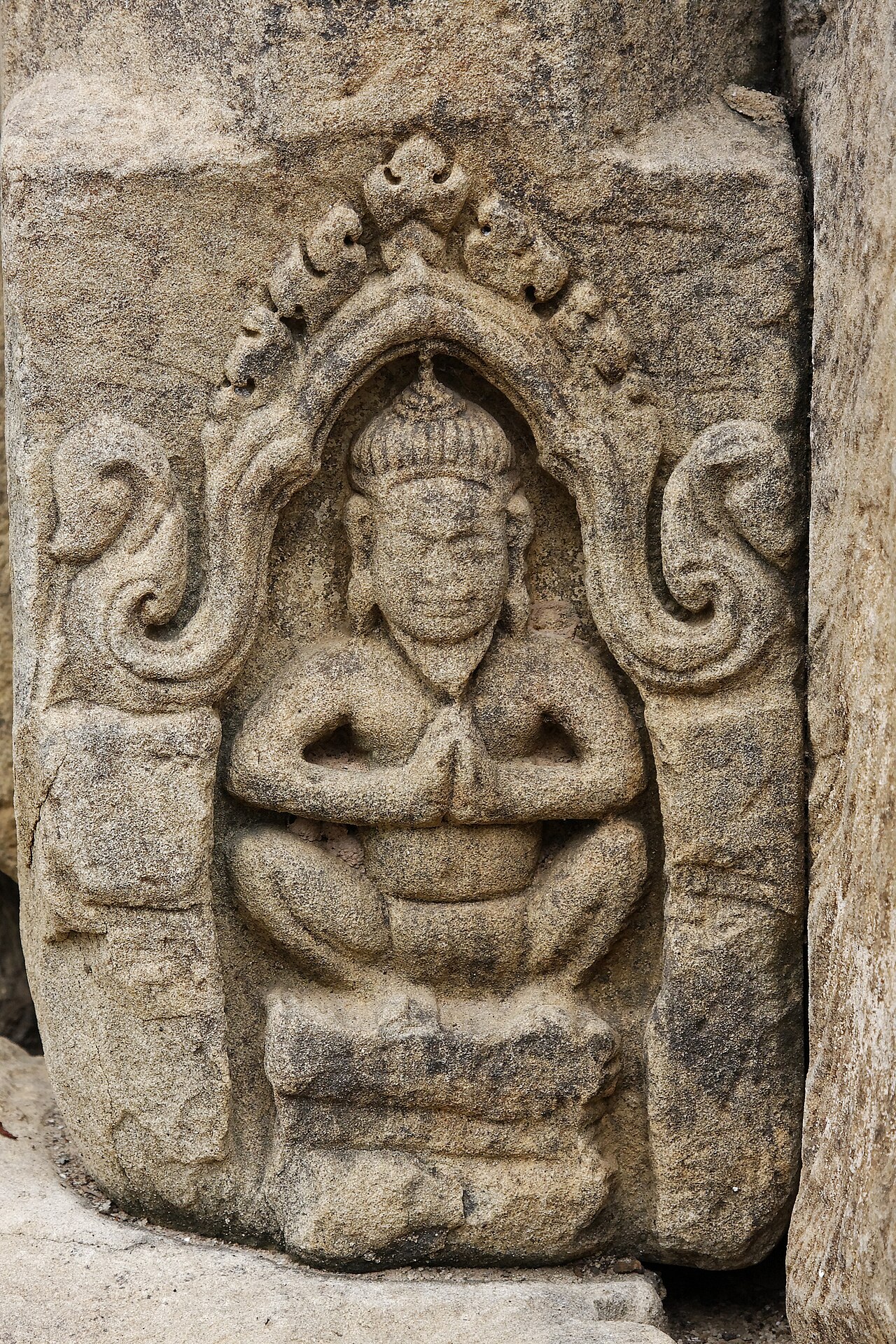
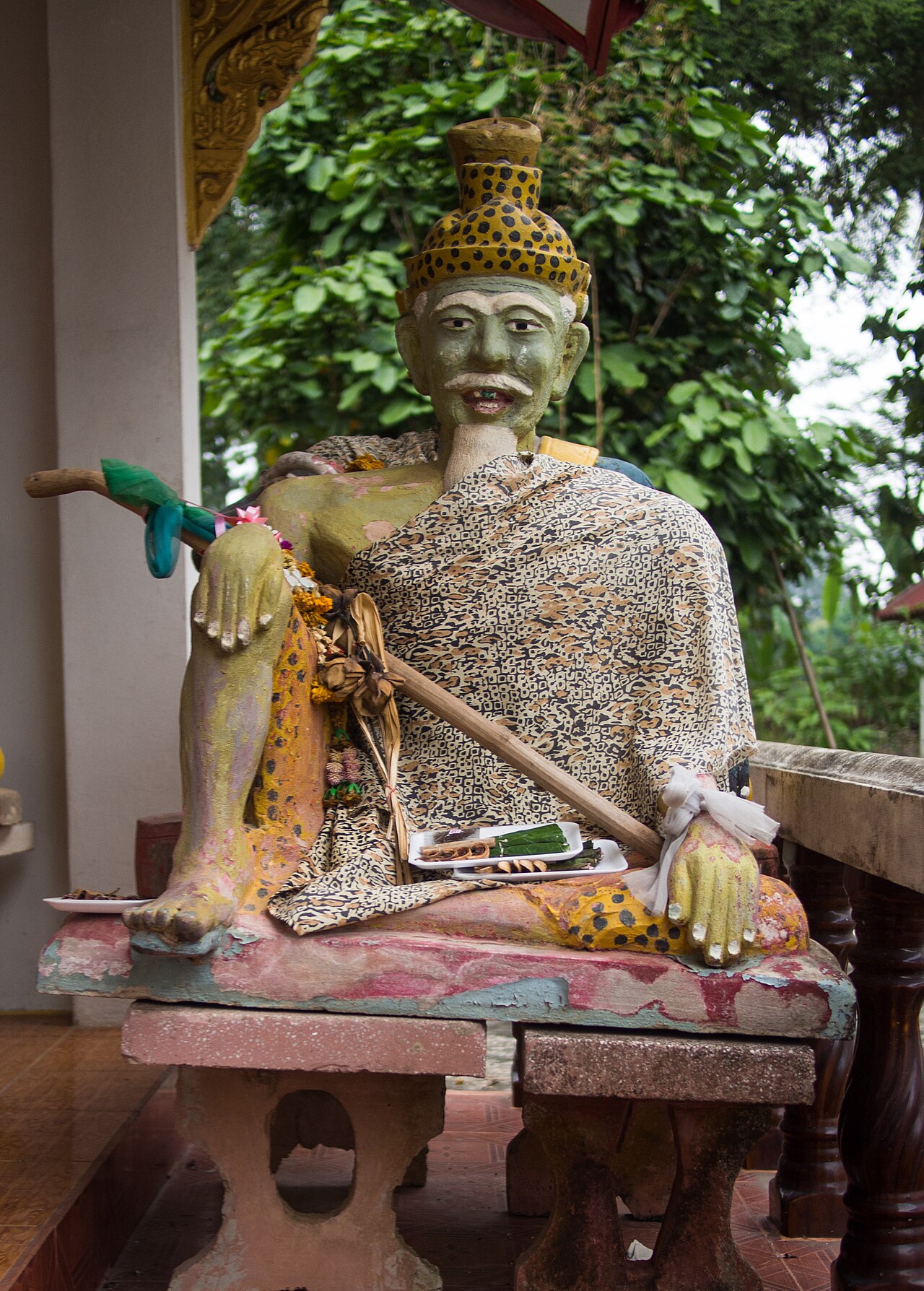
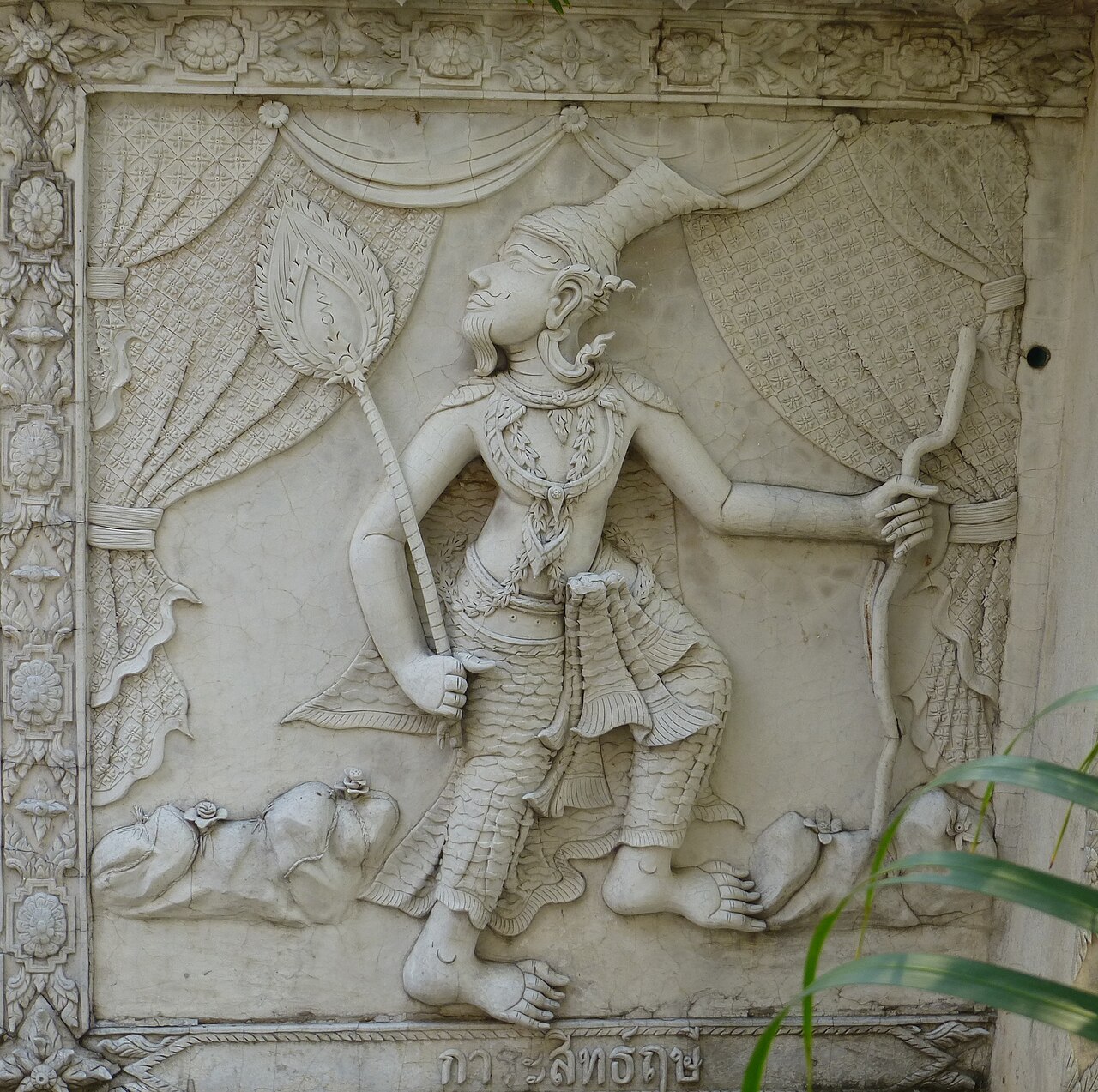
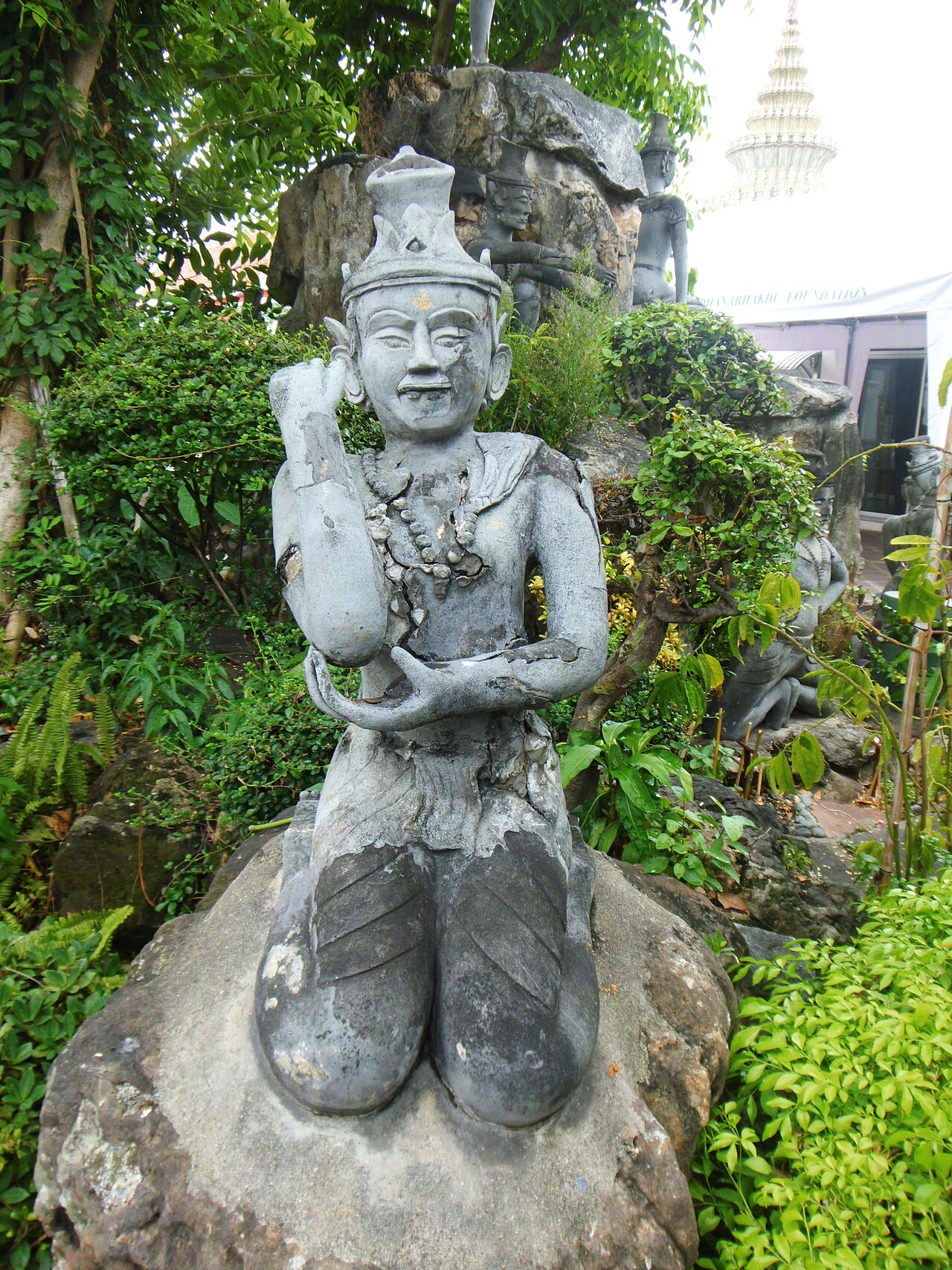
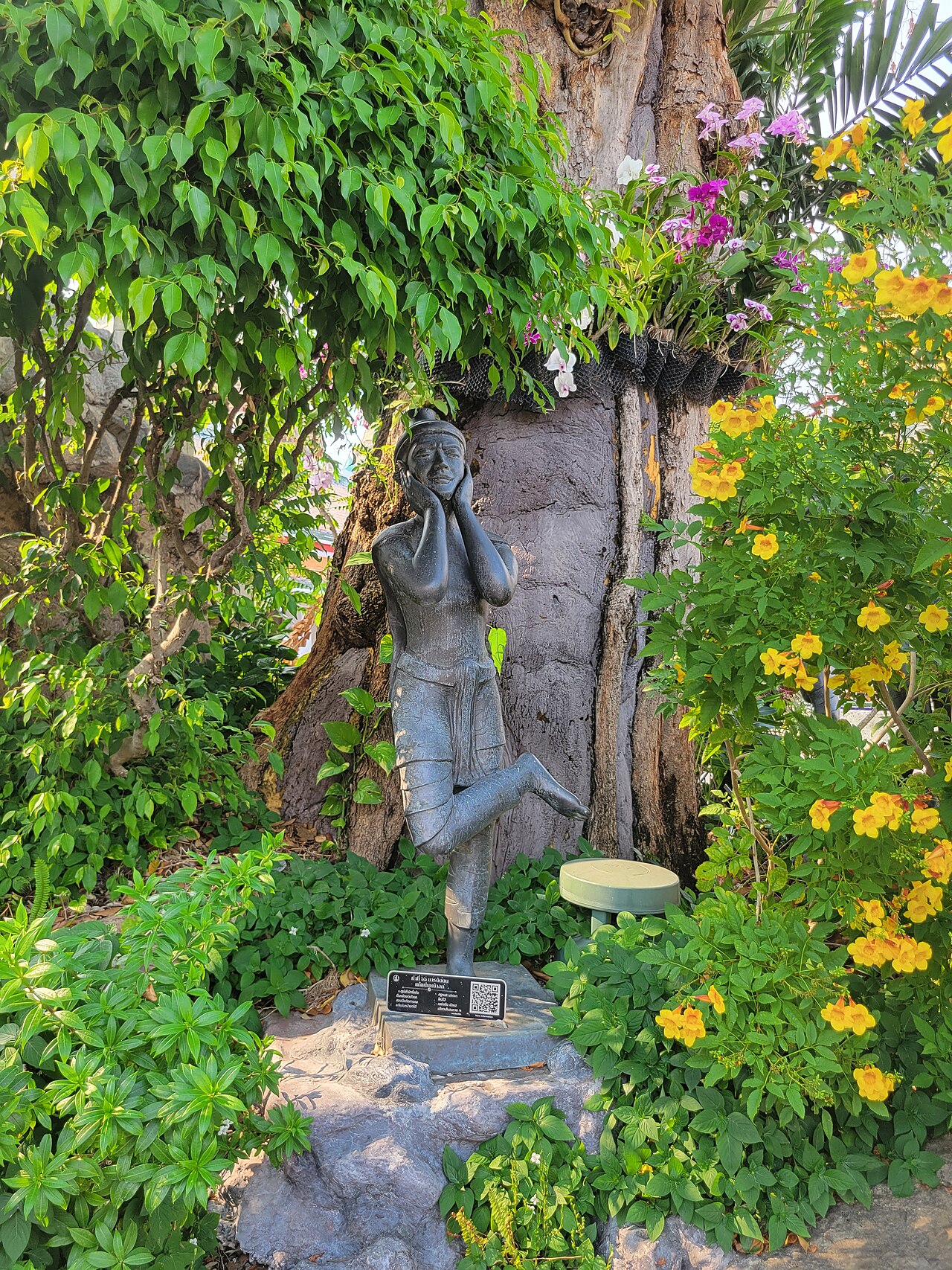
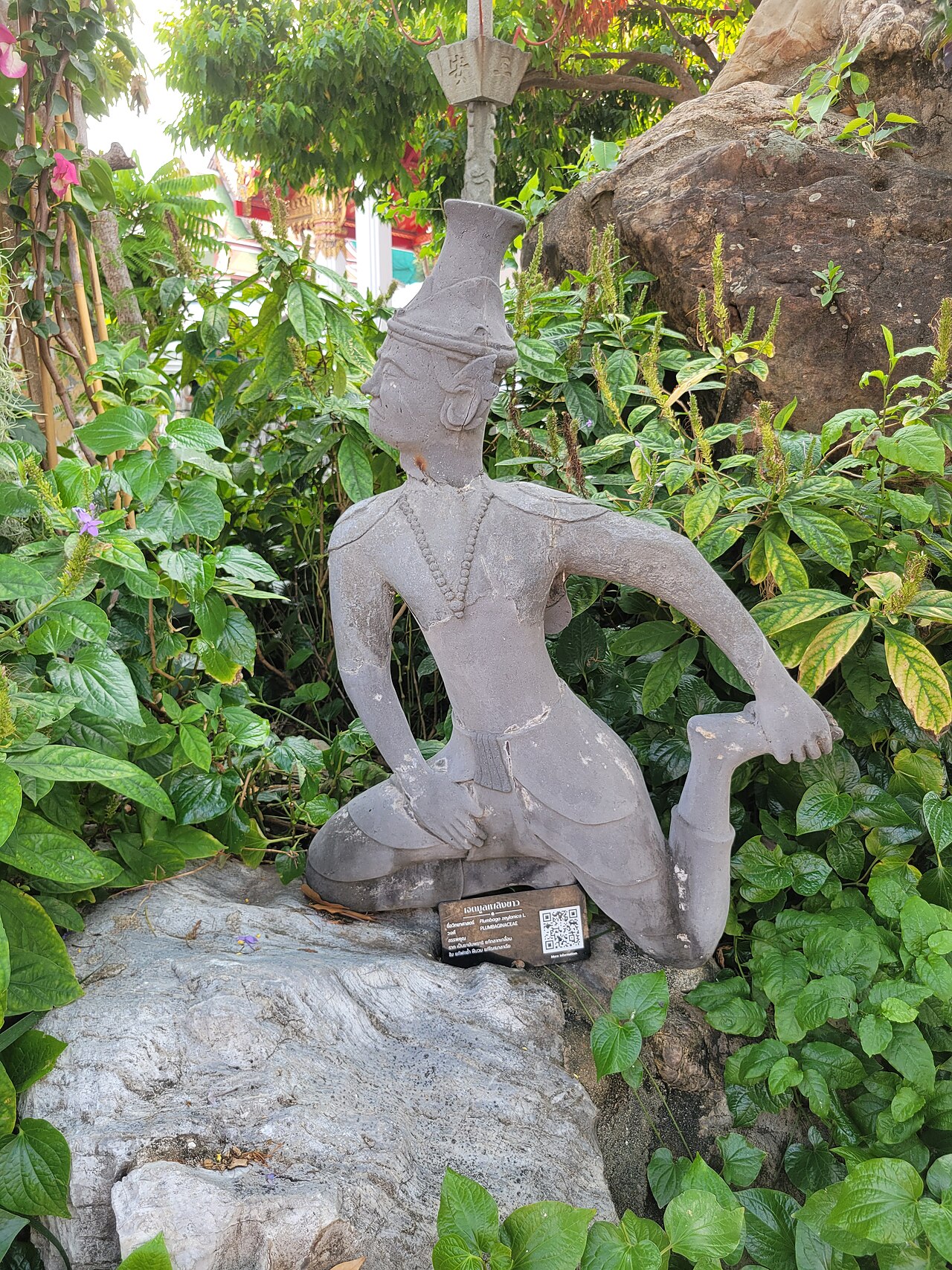
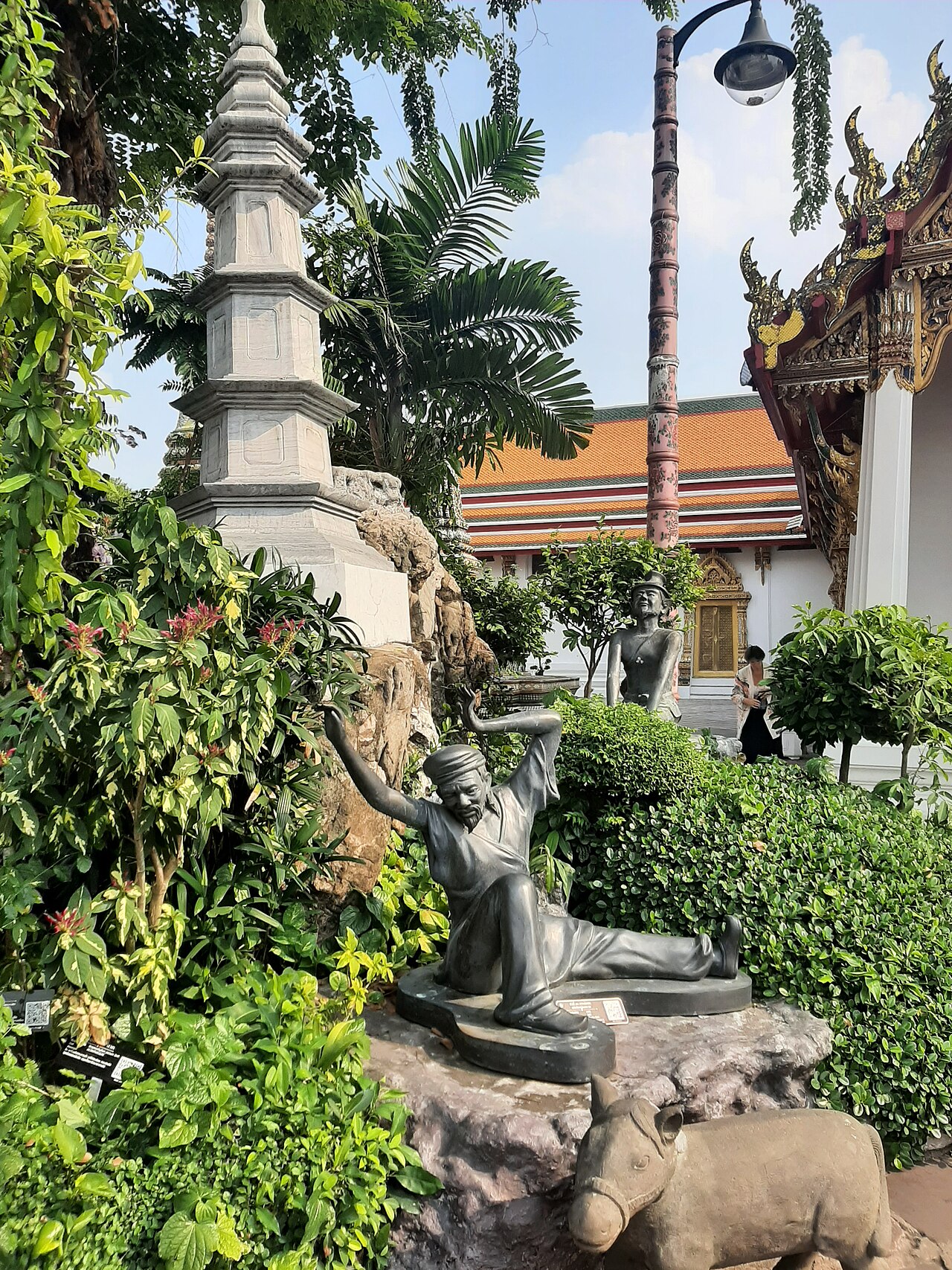
Sources · แหล่งที่มา
- manuscript-wiki/data/holding_key.json — the 36-kind identification key behind wichaa.net/holding (vault; own)
- wichaa-vault _meta/vocab/classes.md — class axis (resident / upkeep / provenance_sensitivity) (vault; own)
- ตำราสร้างเครื่องรางของขลัง — amulet-making treatise, manuscript 6983, bilingual transcription (170 pp, 160 formulas) (treatise; contributed volume; katha not proofed by a scholar)
- amulet-reference.html — 22 specimen cards, 7 formula cards, 112-term market taxonomy (2026-07) (vault; own)
- General knowledge of the Thai / Lanna amulet tradition (model training + secondary literature), hedged — never a specific date, title or scholar unless separately cited (book; n/a)
Default provenance: Catalogue · จากคลัง text.what_en → Catalogue · จากคลัง text.keeping_en → Catalogue · จากคลัง form.wearable_en → Tradition · ตามประเพณี names.aliases → Tradition · ตามประเพณี market → Catalogue · จากคลัง axes → Catalogue · จากคลัง · confidence medium · needs verification · updated 2026-09-02