ปี่เซียะ pixiu · Pixiu (wealth beast) pendant
貔貅 · 天祿 · 辟邪 (zh) · tỳ hưu (vi)
📷 ถือชิ้นนี้อยู่? ถ่ายรูปเทียบ · Holding one? Photograph it to compare 🔍 ค้นหา · search Pixiu (wealth beast) pen
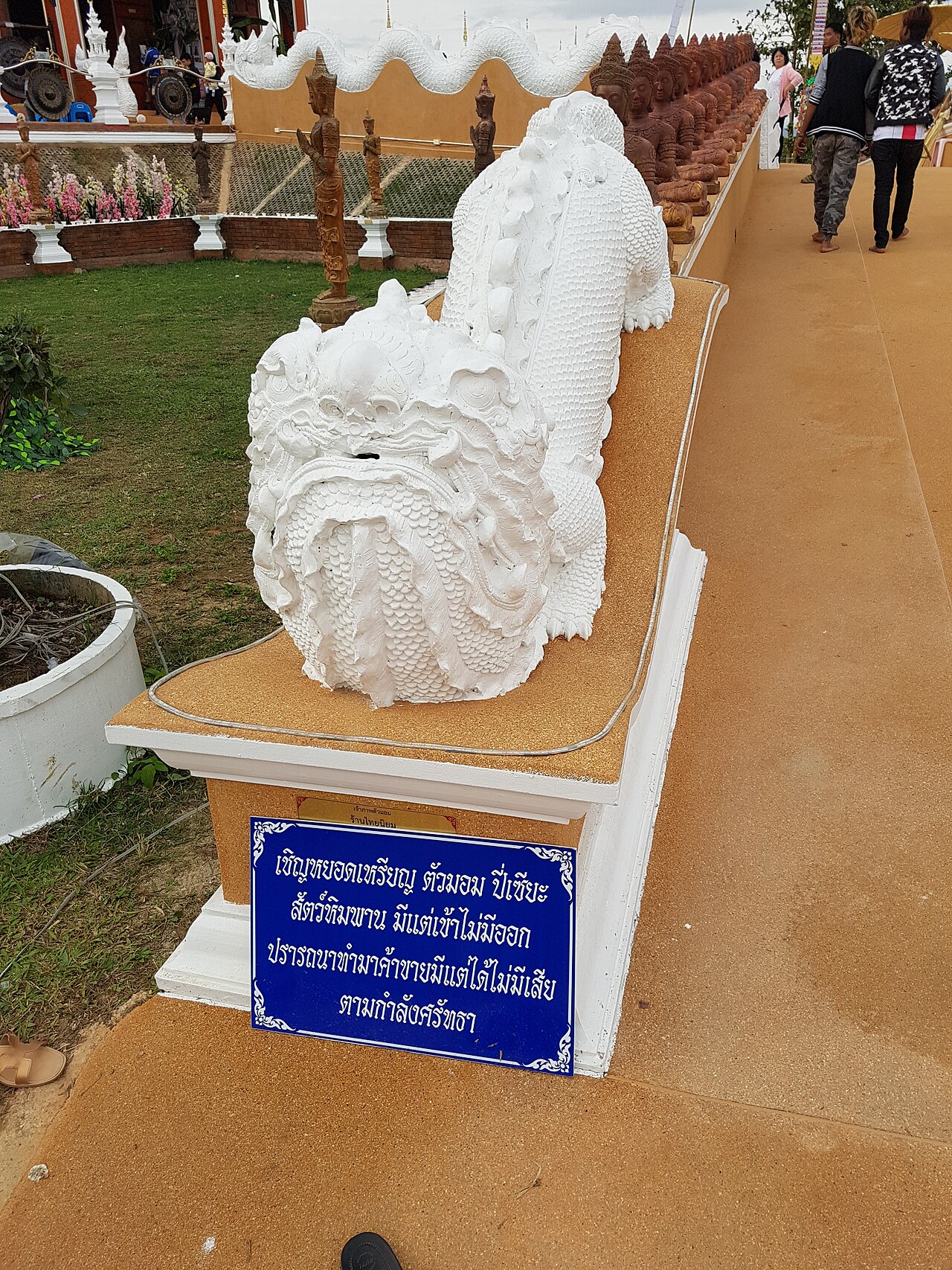
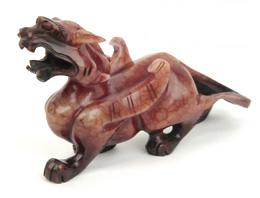
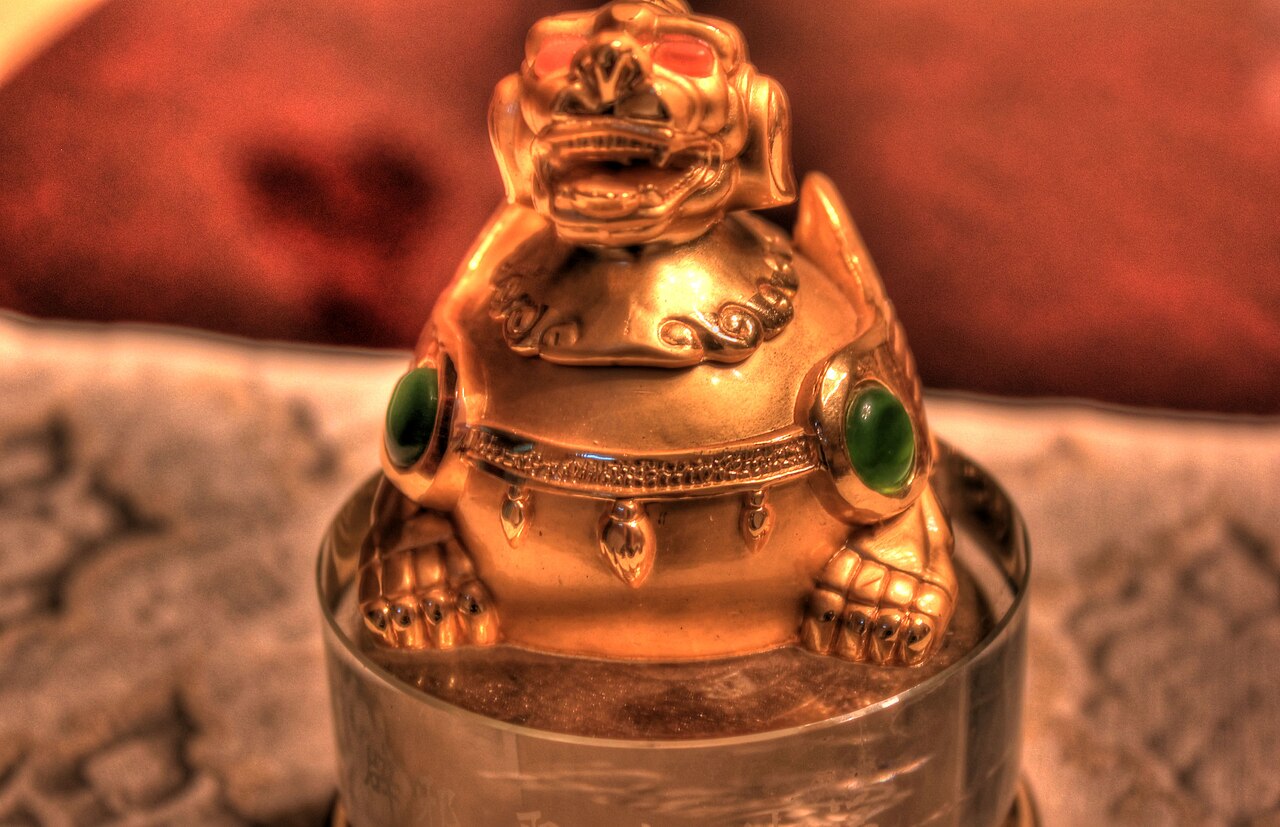
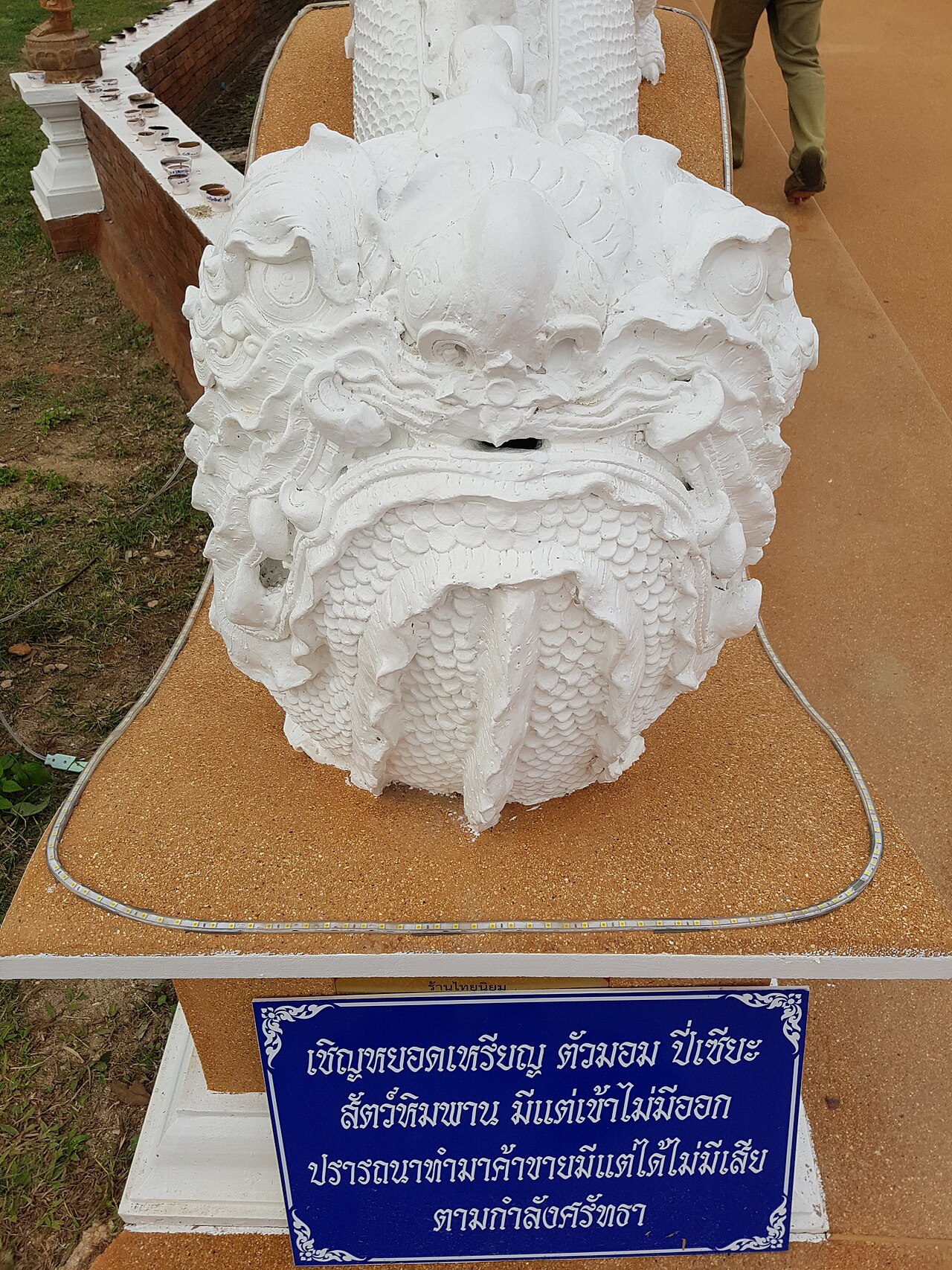
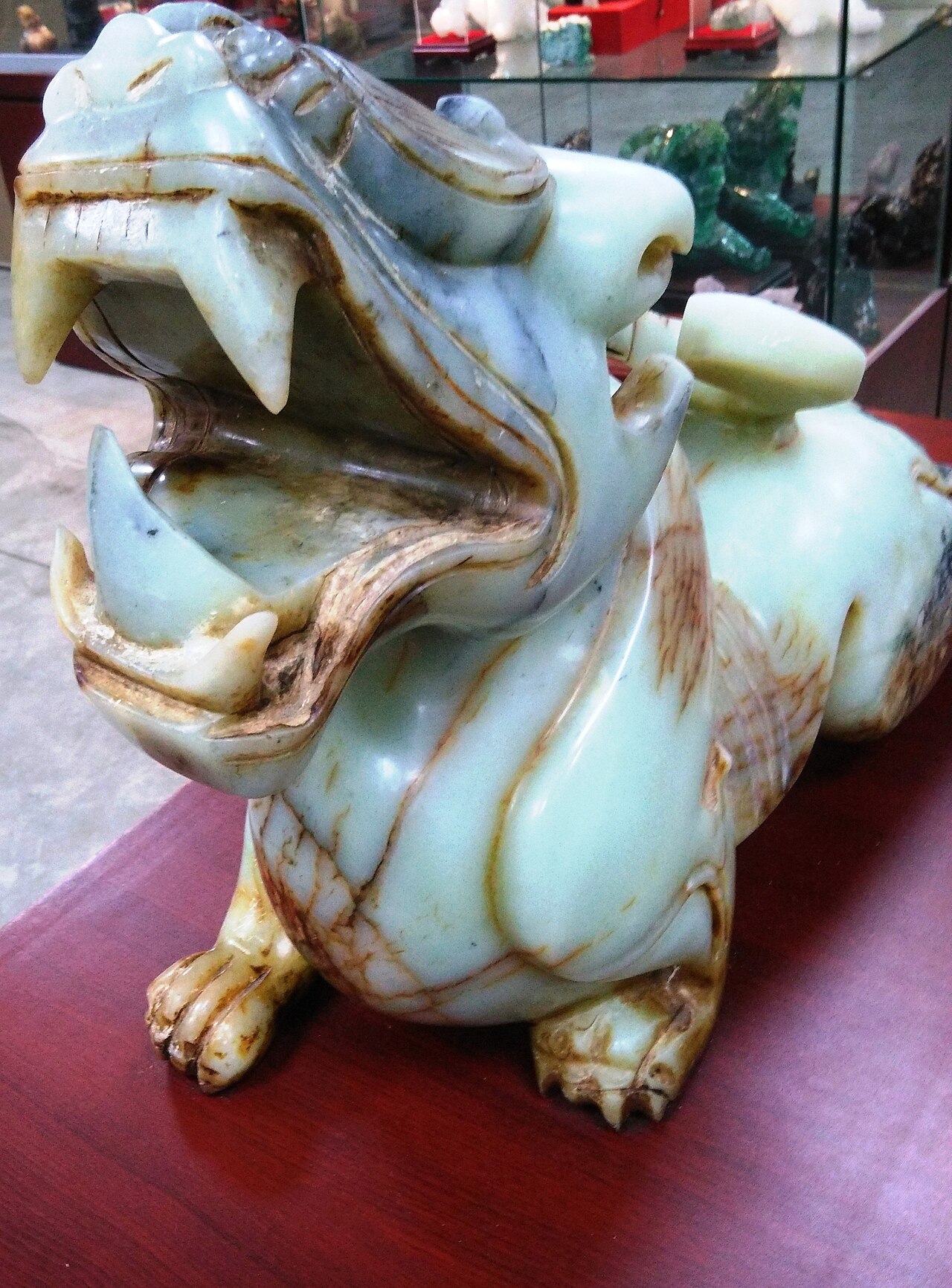
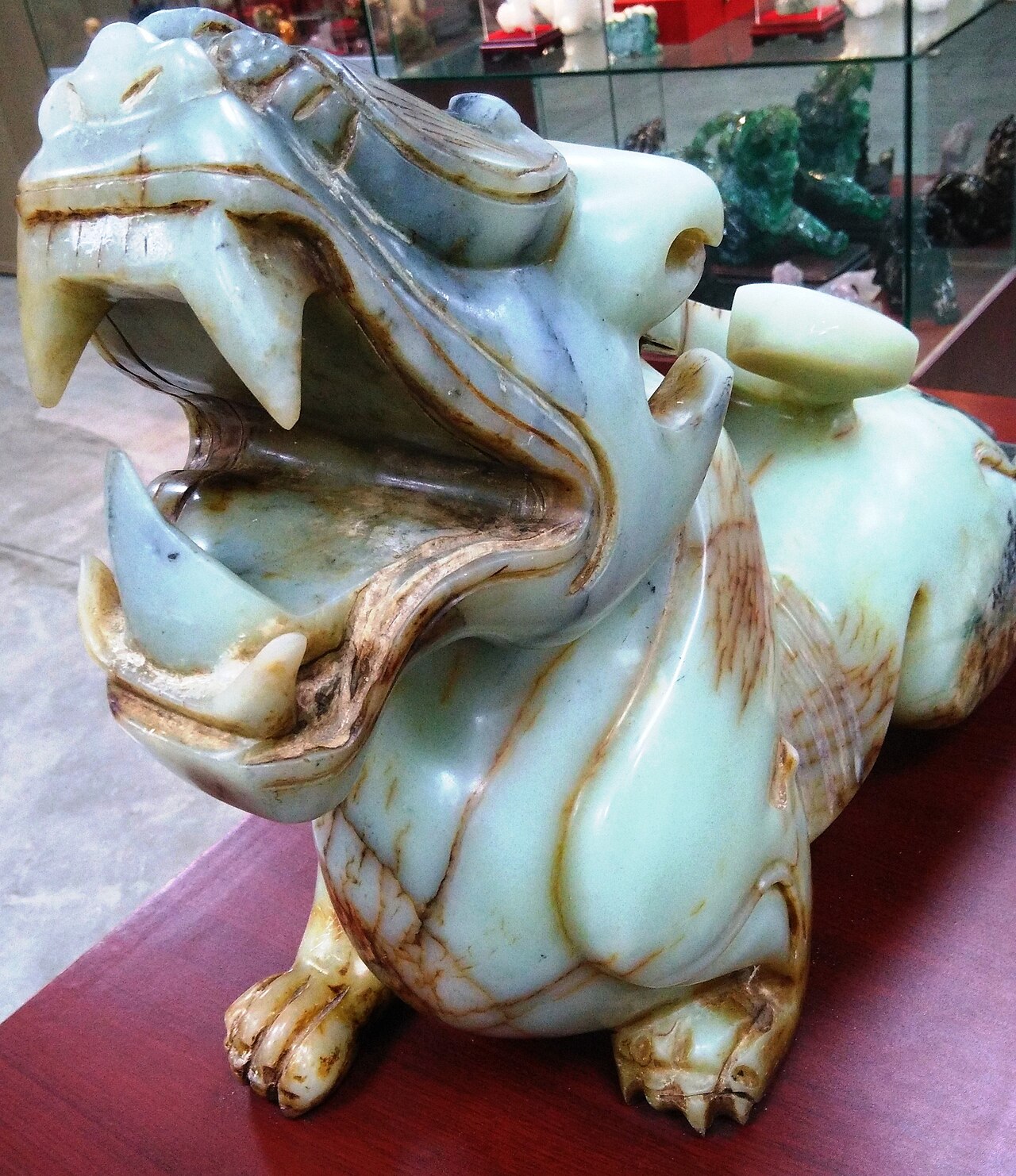
สัตว์ในตำนานจีน หัวมังกร ตัวสิงโต มีปีก เชื่อว่ากินทองแล้วไม่ถ่ายเพราะไม่มีรูทวาร จึงเป็นเครื่องรางเรียกทรัพย์และกันร้าย ทำเป็นจี้หยก กำไล แหวน และรูปตั้งคู่ ขายมากในตลาดไทย-จีน วิกิพีเดียไทยเรียก ปี่เซียะ ผีซิว เผ่ย์เย้า
The Chinese wealth beast: dragon head, lion body, wings, and no anus, so gold goes in and never out. Worn as a jade pendant, bracelet or ring, or set as a pair at a shop door, it is one of the biggest sellers in Thai-Chinese retail under ปี่เซียะ. The vault's class vocabulary does not place it.
also: ปี่เซี๊ยะ · ปี่เซี้ย · ผีซิว · เผ่ย์เย้า · เทียนลู่ · เทียงลก · pi xiu · pei yao · tianlu · bixie · tỳ hưu · pi yao · wealth beast · heavenly deer
At a glance · โดยย่อ
| Class · หมวด | ยังไม่ชี้ขาด left to a knower Catalogue · จากคลัง |
|---|---|
| Resident · ผู้อยู่ | left to a knower |
| Upkeep · การเลี้ยง | left to a knower |
| Provenance sensitivity | — |
| Form · รูปแบบ | figure · รูปหล่อ/รูปปั้น |
| Material · เนื้อ | ทองเหลือง brass · ทองแดง copper |
| Function · คุณ | โชคลาภ luck and windfall · ค้าขาย trade, selling · คุ้มครอง general protection, watching over |
| Region · ถิ่น | ชุมชนไทยโพ้นทะเล Overseas Thai / Chinese-Thai collector communities · ทั่วประเทศไทย Thailand, not regionally specific · เวียดนาม Vietnam |
| Maker · ผู้สร้าง | โรงงานหยกและโลหะ ร้านฮวงจุ้ย บางชิ้นผ่านพิธีเบิกเนตรที่ศาลเจ้า Jade and metal workshops and feng shui shops; some pieces are put through an eye-opening rite at a shrine, which the trade holds |
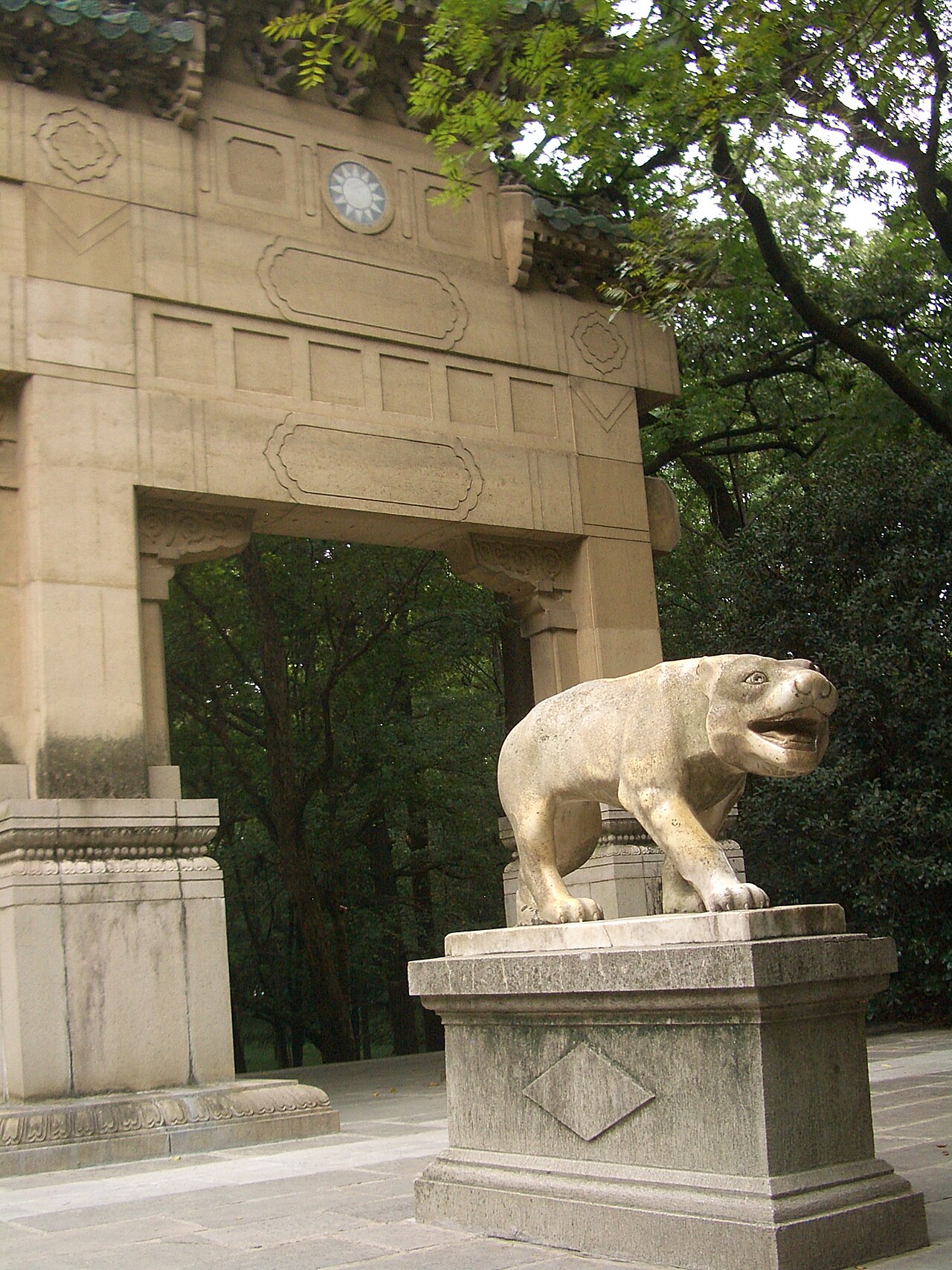
| Era · ยุค | ปรากฏในคัมภีร์จีนโบราณ (ซั่งซู สื่อจี้) เป็นสัตว์รบ รูปหินเฝ้าสุสานสมัยฮั่น การใส่เป็นจี้เป็นเรื่องสมัยใหม่ Named in the Shangshu and the Shiji as a beast of war; Han-era stone tomb guardians survive; the pendant is modern Cited · อ้างอิง |
| Retail market (Lazada TH titles) | 15 listings · ฿28–249 typical · median ฿93 Catalogue · จากคลัง |
Form · รูปทรง Cited · อ้างอิง
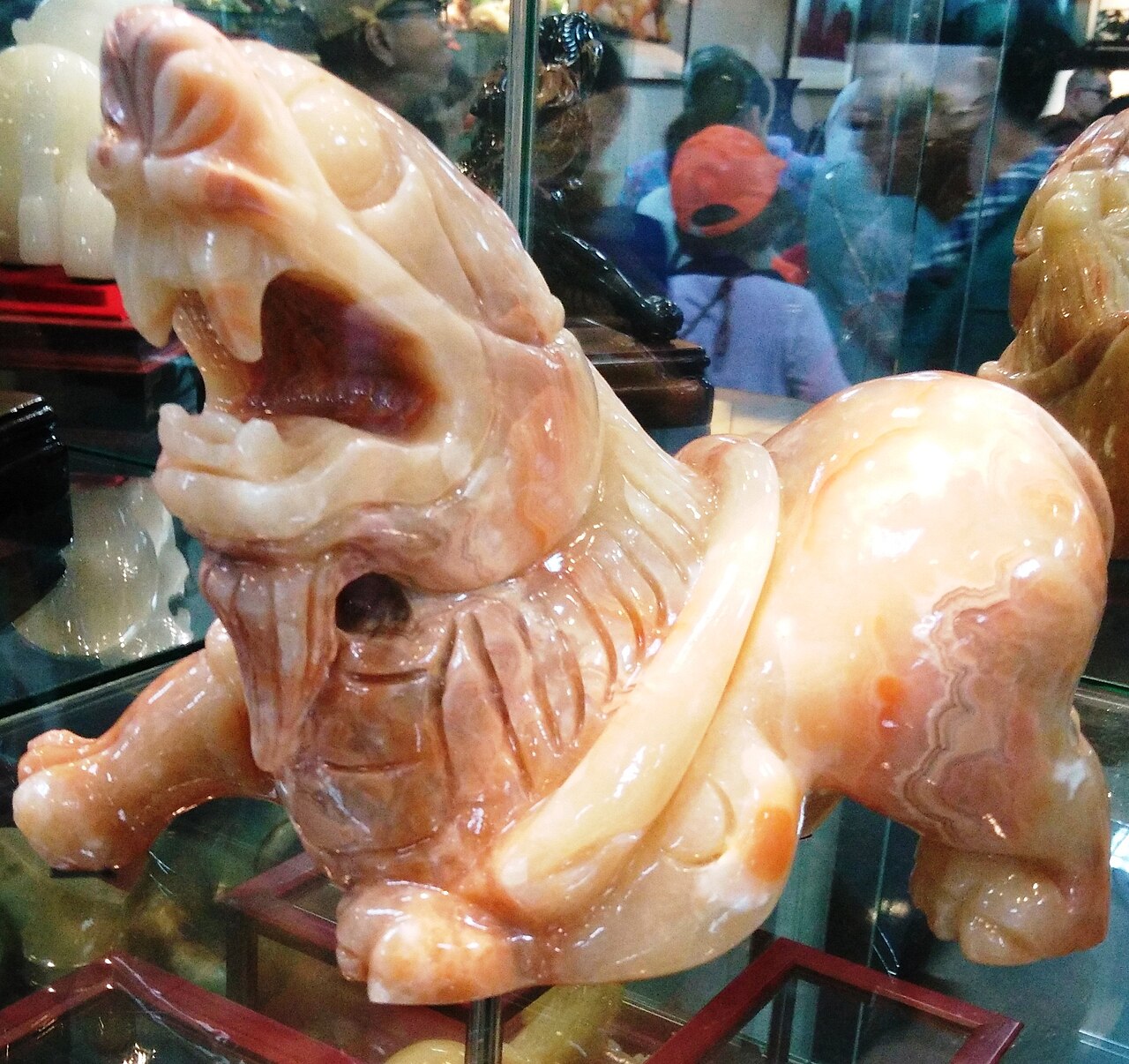
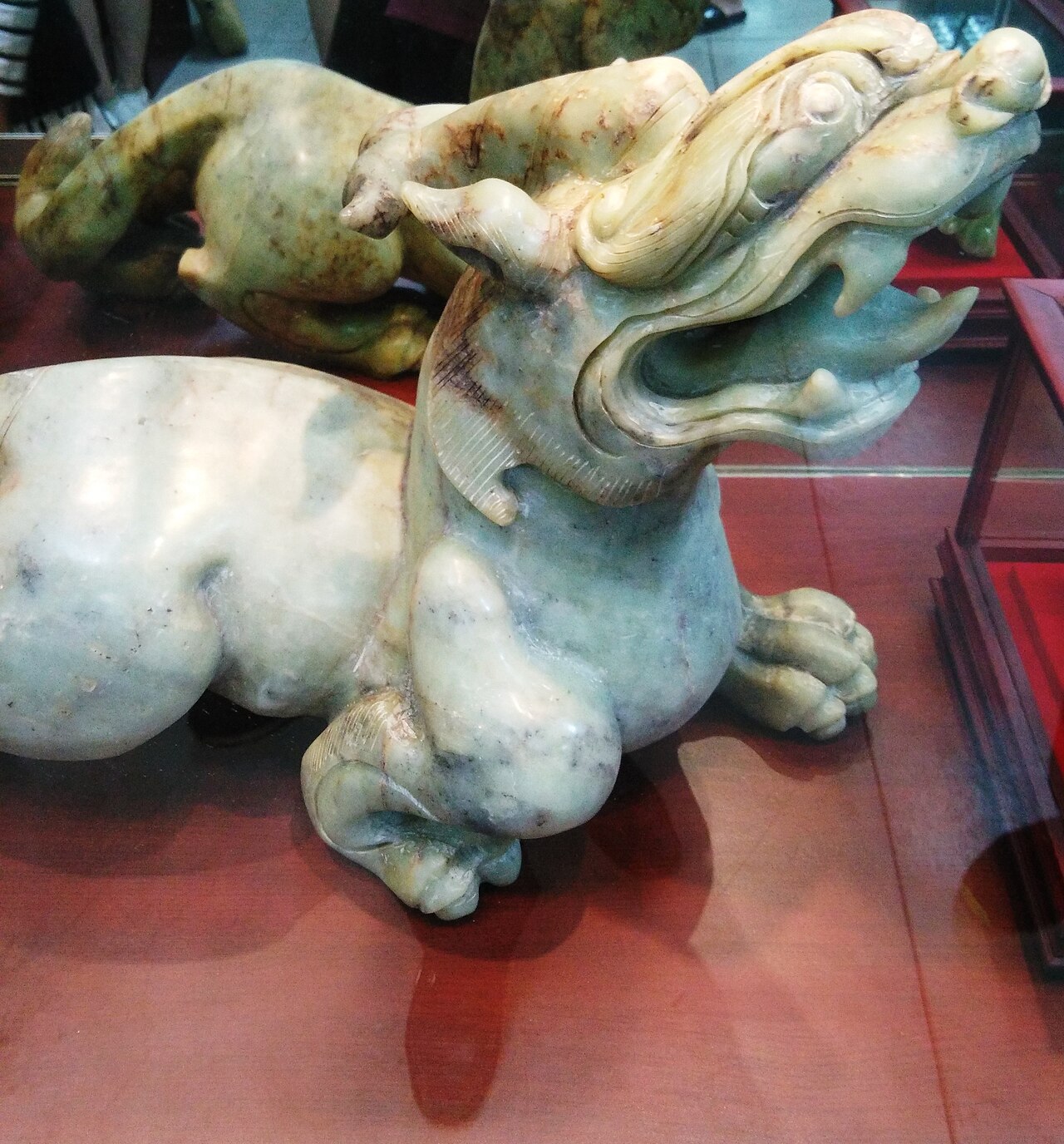
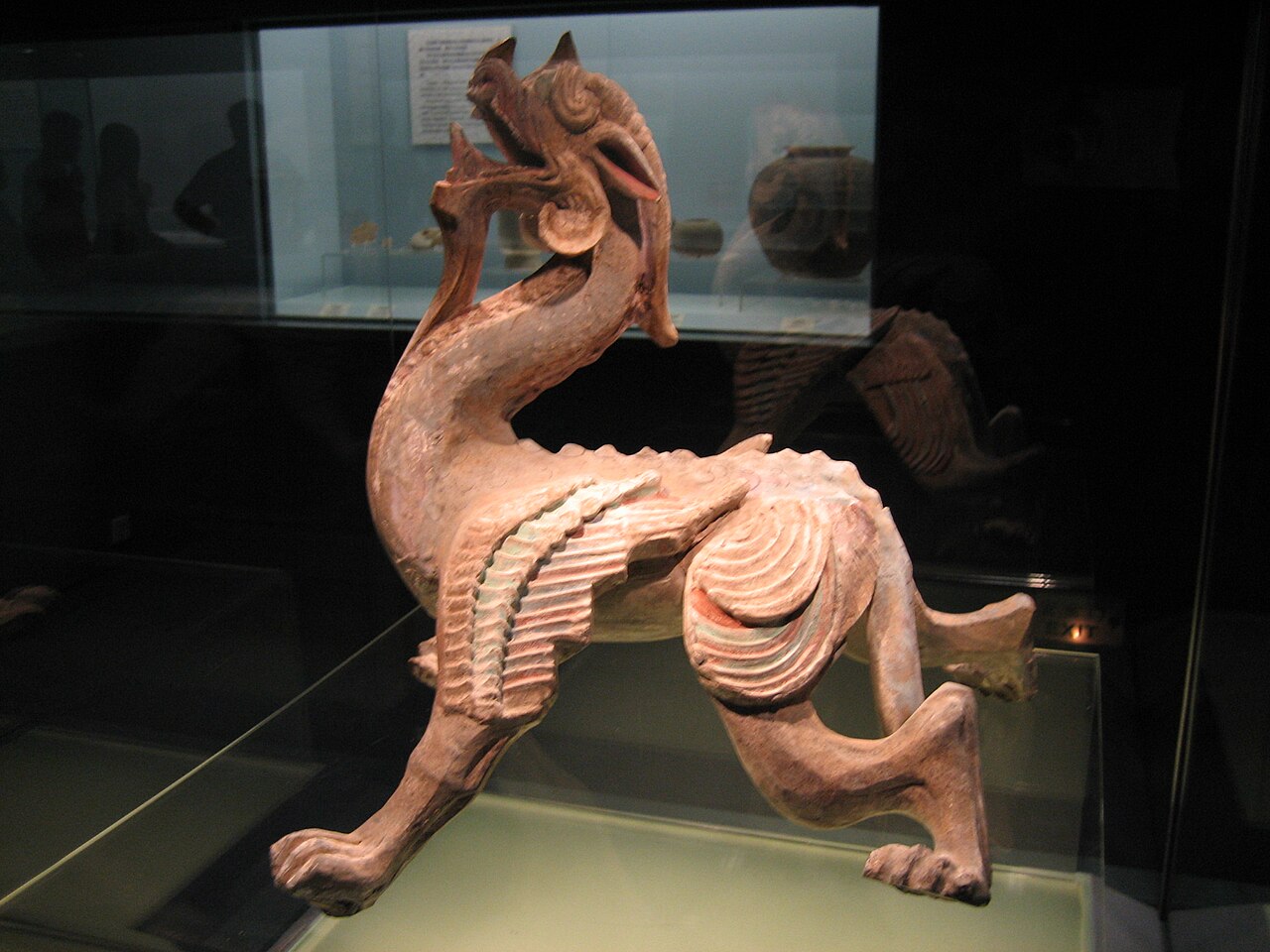
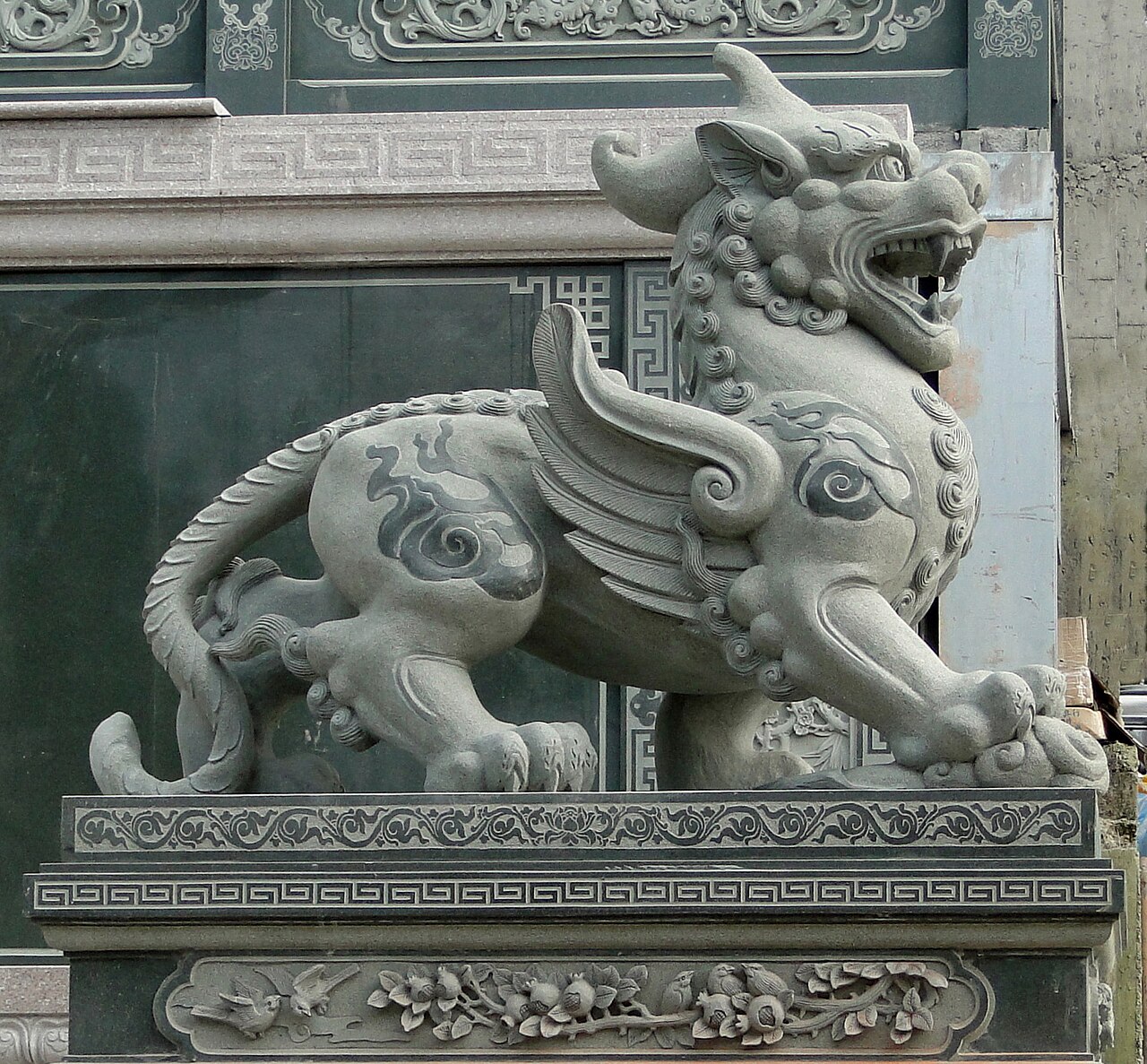
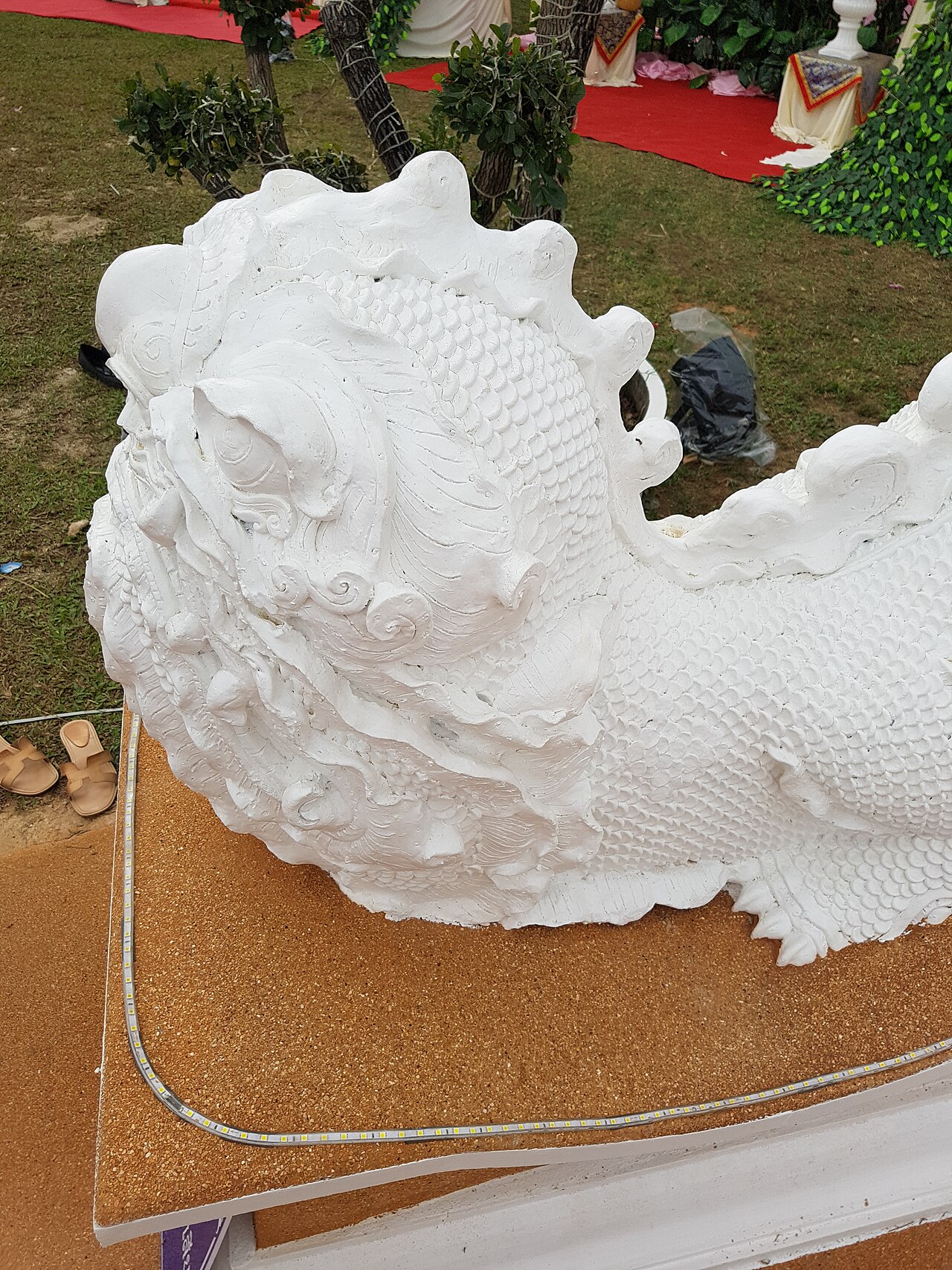
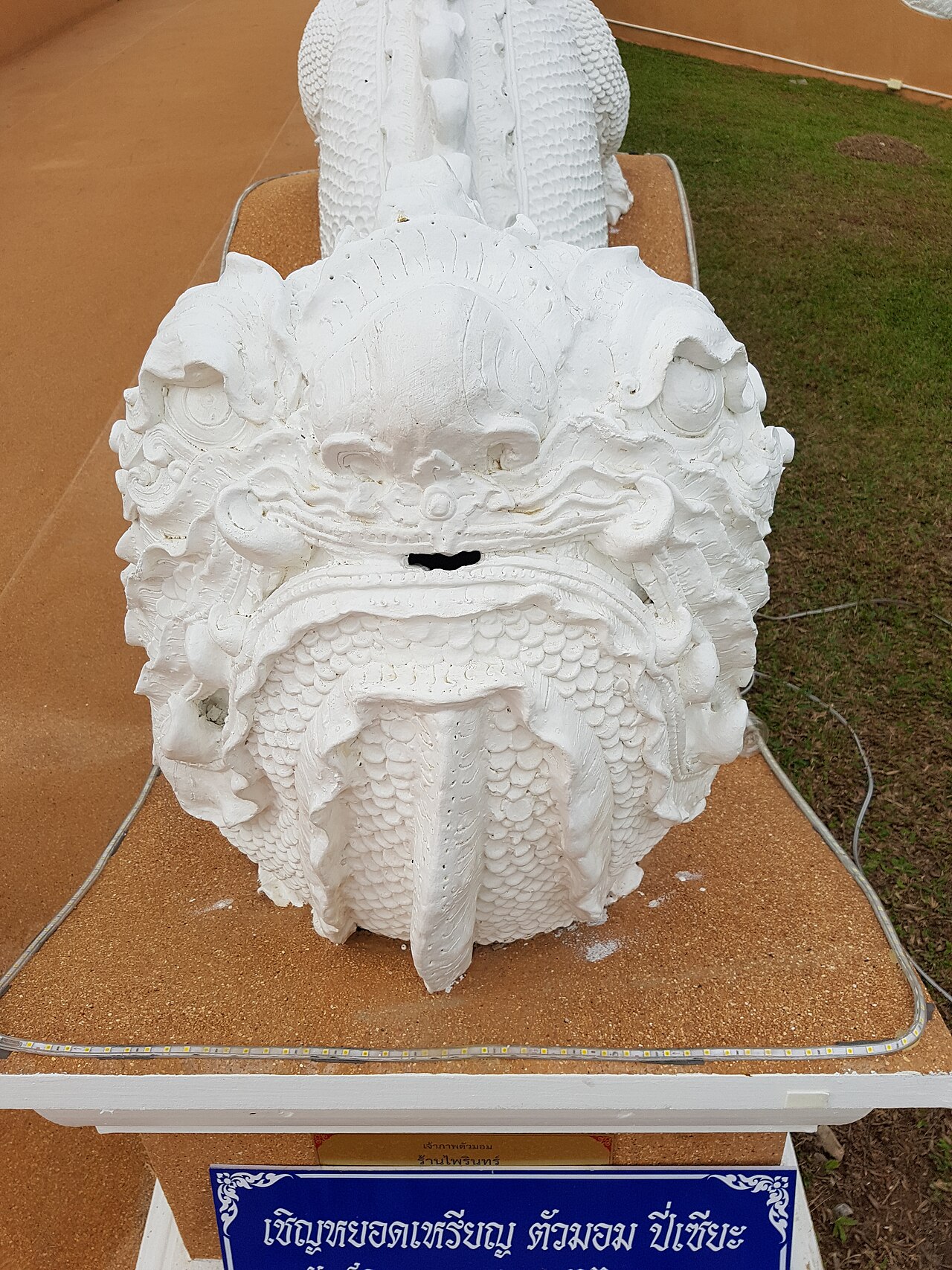
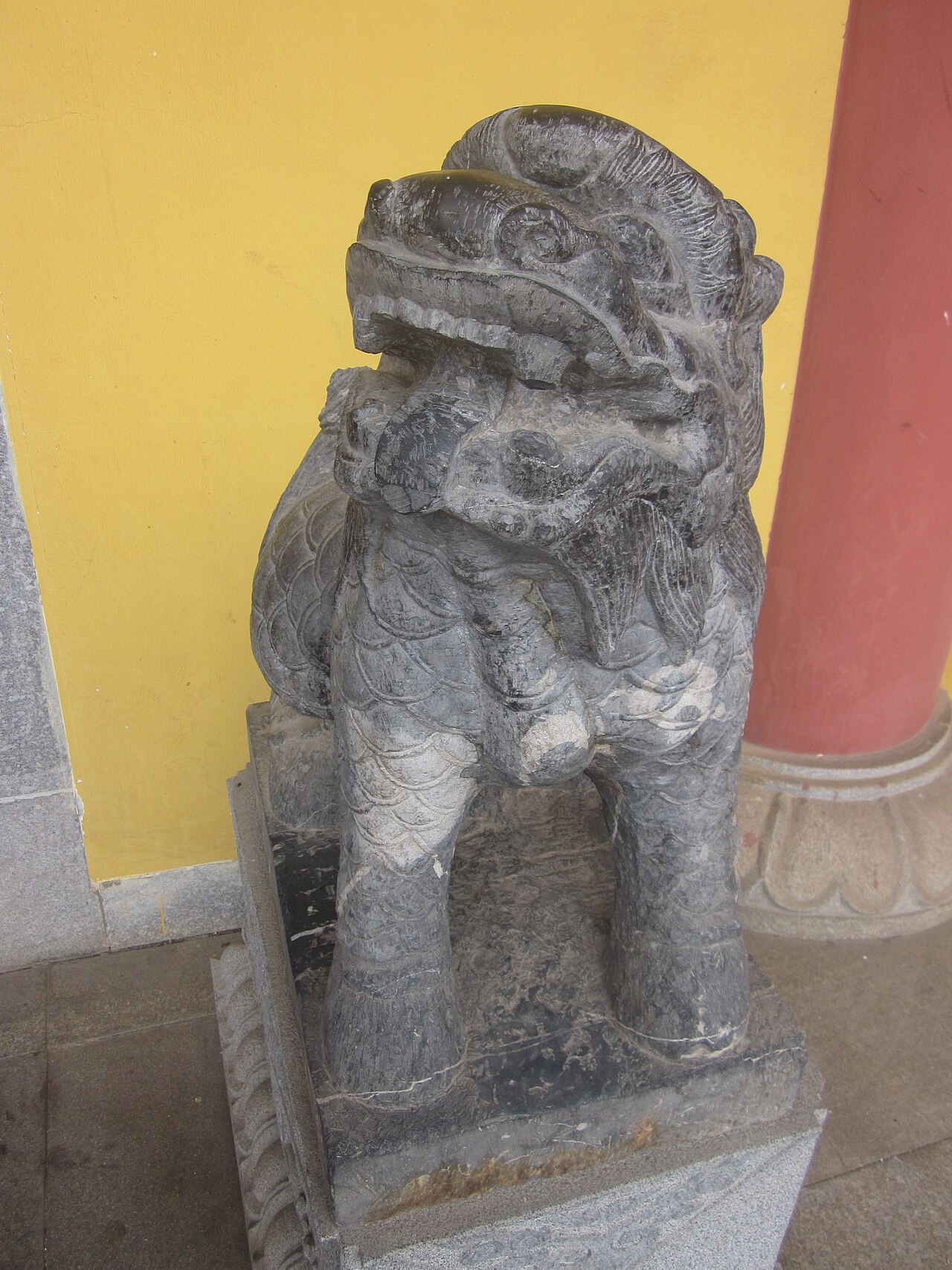
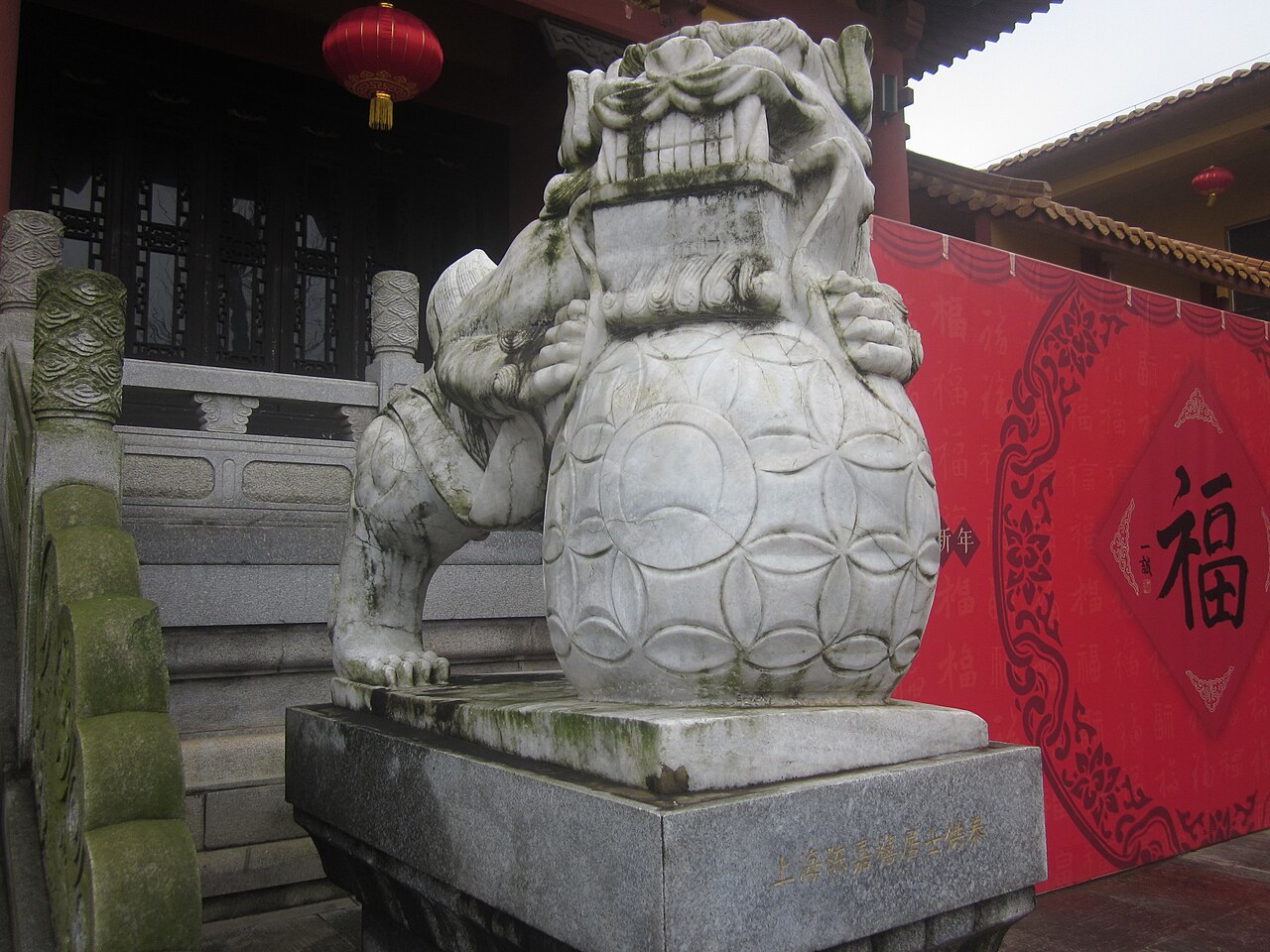
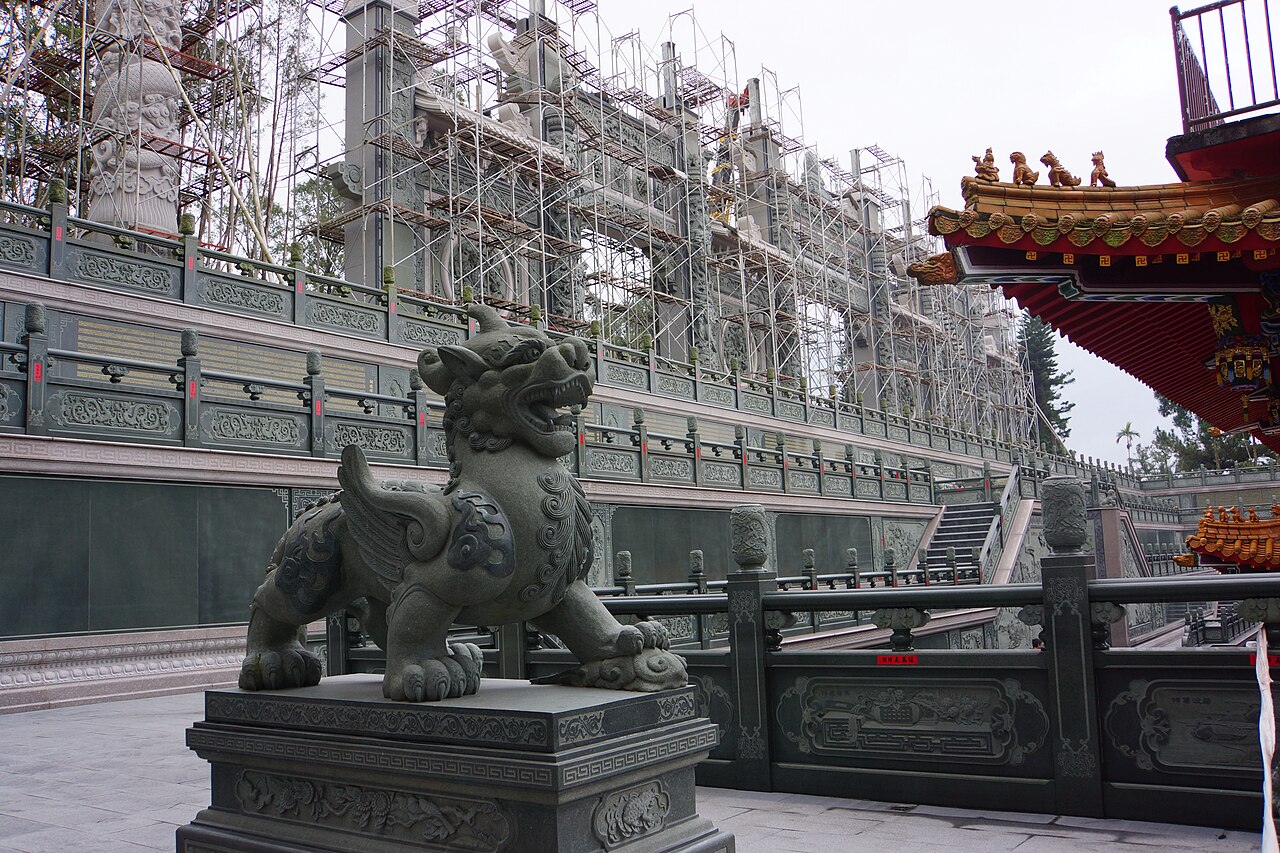
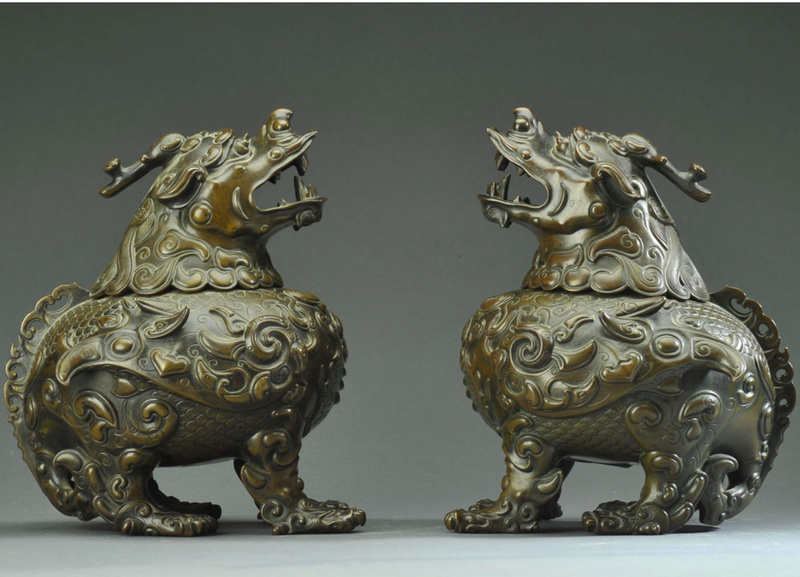
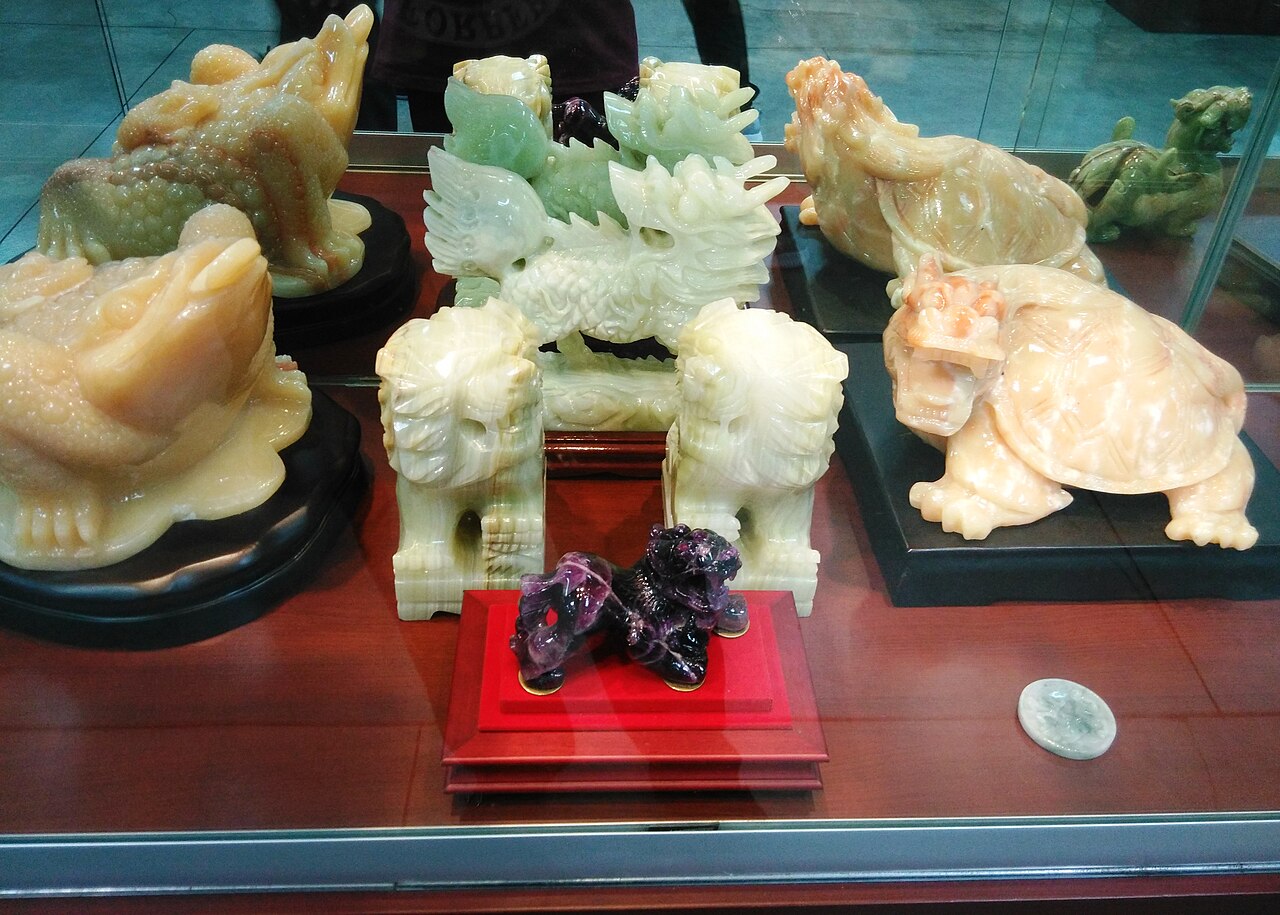
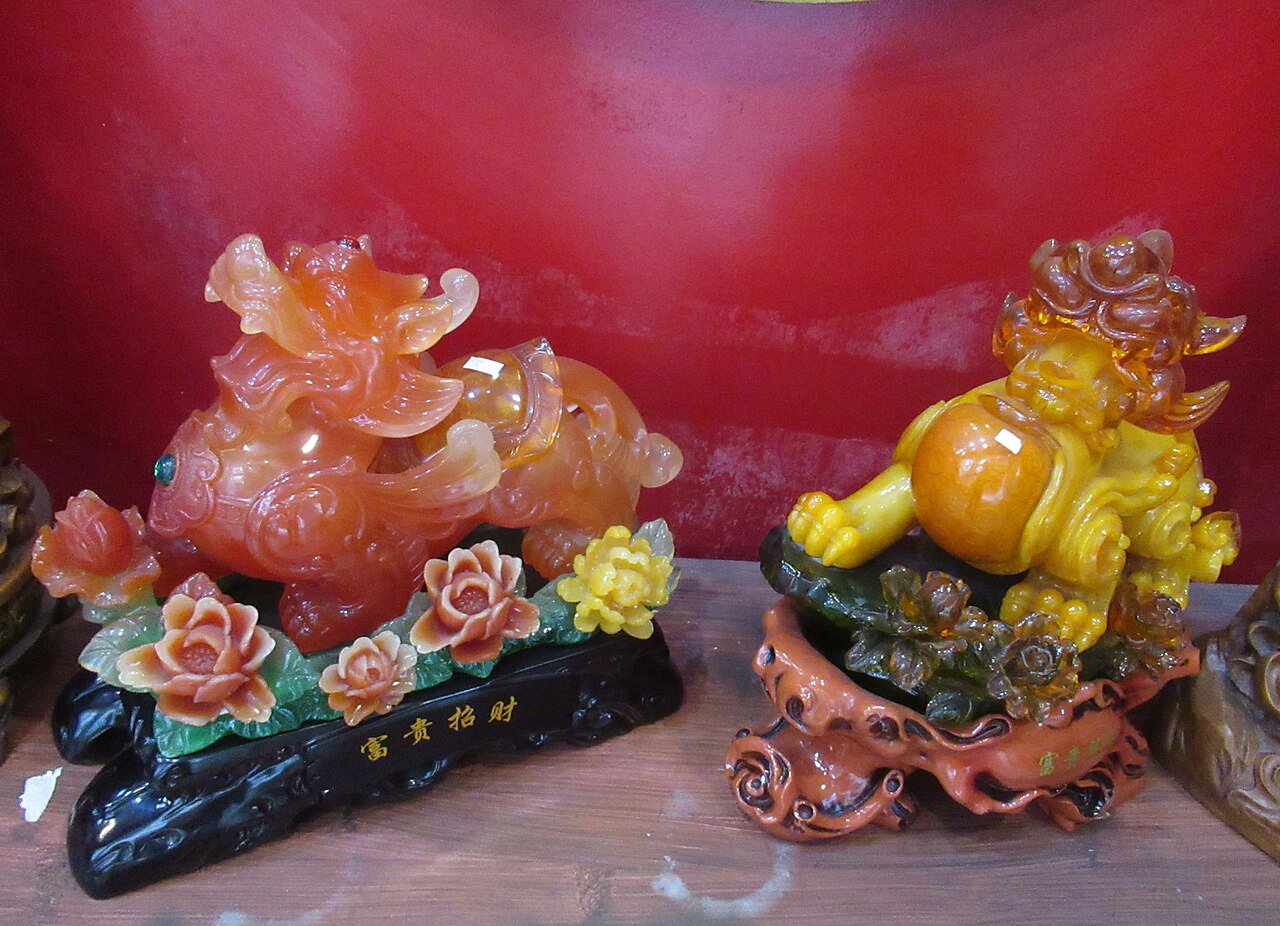
| Shape · ทรง | สัตว์ในตำนานหัวมังกร ตัวสิงโต มีปีก เขาหนึ่งหรือสอง ท่าหมอบ ทำเป็นจี้ กำไล แหวน หรือรูปตั้งคู่ A crouching mythical beast with a dragon's head, a lion's body, wings, and one or two horns; made as a pendant, a bracelet bead, a ring, or a pair of desk and doorway figures |
|---|---|
| Worn · การพก | จี้ห้อยคอ ลูกปัดกำไล แหวน หรือตั้งบูชาเป็นคู่หันหน้าออกประตู Worn as a pendant, bracelet bead or ring, or set as a pair facing the door; the trade says one per wrist so they do not fight |
| Obverse · ด้านหน้า | หัวมังกร อ้าปาก มักคาบเหรียญหรือเหยียบก้อนทอง Dragon head with open mouth, often biting a coin or standing on an ingot |
| Reverse · ด้านหลัง | ก้นไม่มีรู — ตามคติ กินทองแล้วไม่ถ่าย No anus, by belief: it eats gold and cannot pass it |
| Notes | Jade, glass, obsidian, wood and ceramic dominate retail and have no vault key; brass and copper are the metal forms and are named on the axis. |
| Iconography · สัญลักษณ์ | หัวมังกร ตัวสิงโต ปีก Dragon head, lion body, wings เขาเดียว = เทียนลู่ (ทรัพย์) เขาคู่ = ปี้เสีย (ไล่ร้าย) One horn tianlu for wealth, two horns bixie to ward off evil คาบเหรียญ เหยียบก้อนทอง Coin in the mouth, ingot underfoot |
What to look at · จุดสังเกต
Type-level marks a reader can check by eye or loupe.
| หัวมังกร ตัวสิงโต มีปีก — นับเขา: หนึ่ง (เทียนลู่) หรือสอง (ปี้เสีย) Dragon head on a lion body with wings; count the horns, one for tianlu, two for bixie. English Wikipedia says modern pieces are mostly one-horned, Chinese Wikipedia says two-horned now predominates: the two articles disagree, so look rather than assume | Cited · อ้างอิง |
| ไม่มีรูทวาร ตามคติกินทองแล้วไม่ถ่าย No anus by belief, so wealth enters and never leaves; the folk logic behind the whole class | Cited · อ้างอิง |
| วัสดุ: หยก แก้ว ไม้ เซรามิก ทองแดง ผ้า เลือกตามธาตุประจำตัว Jade, glass, wood, ceramic, copper and cloth; the trade matches material to the owner's five-element chart | Cited · อ้างอิง |
| ตั้งเป็นคู่ท่าหมอบ ใส่ข้อมือข้างละตัว Set as a crouching pair, or worn one per wrist; the trade counts a single figure facing into the room as wrong | Cited · อ้างอิง |
| ชื่อไทยหลายแบบ ปี่เซียะ ผีซิว เผ่ย์เย้า เทียนลู่ — ค้นให้ครบ Thai spellings vary, ปี่เซียะ / ผีซิว / เผ่ย์เย้า / เทียนลู่; Lazada Thailand titles use ปี่เซียะ | Cited · อ้างอิง |
How to tell it from · แยกจาก
| พญาครุฑ · Phaya Khrut (the garuda) | ครุฑเป็นนกครึ่งคน ปี่เซียะเป็นสัตว์สี่ขาหัวมังกร ทั้งคู่มีปีก Garuda is a bird-man, upright, with a beak; the pixiu is a four-legged dragon-headed beast. Both have wings, which is where the confusion starts on a small pendant. |
|---|---|
| กระจกยันต์แปดทิศ · Bagua mirror | กระจกแปดทิศเป็นของแขวนหน้าบ้าน ไม่ใช่รูปสัตว์ The bagua mirror guards the same door but is a diagram, not a beast, and nobody feeds it. |
The story · เรื่องเล่า Cited · อ้างอิง
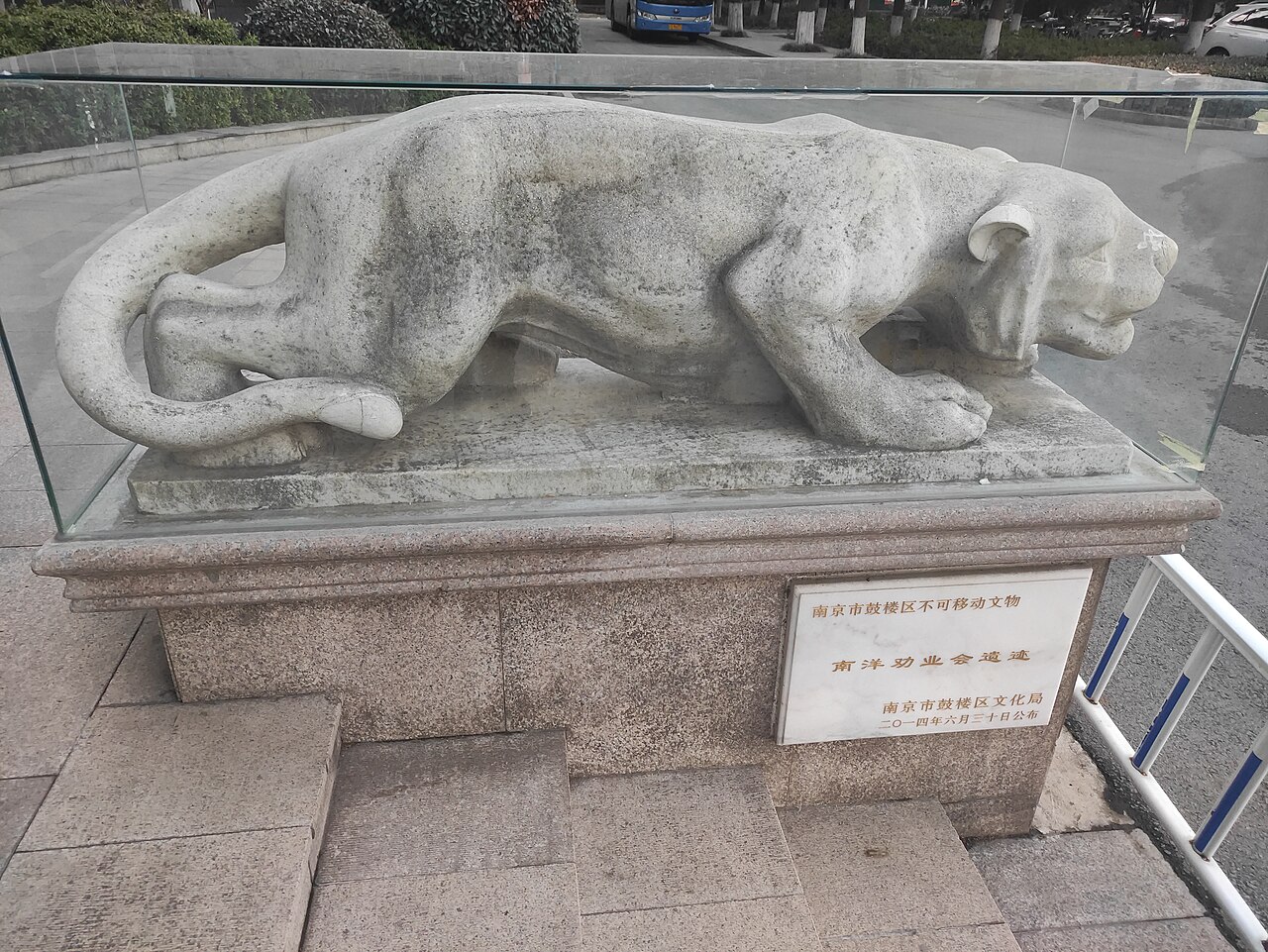
คัมภีร์จีนโบราณเรียกเป็นสัตว์รบ ฮ่องเต้เหลืองฝึกใช้ในสงคราม สมัยฮั่นเป็นรูปหินเฝ้าสุสาน เขาเดียวชื่อเทียนลู่ เขาคู่ชื่อปี้เสีย นักพนันในมาเก๊าฮ่องกงบูชา ปัจจุบันขายเป็นจี้หยก 'ปลุกเสกแล้วจากฮ่องกง' และ 'ปี่เซียะเหยียบก้อนทอง เนื้อทองเหลือง' บนลาซาด้าไทย
Classical texts list it among the fierce beasts the Yellow Emperor drove into battle; the Han carved it in stone to guard tombs. The one-horned form is tianlu, the two-horned bixie, and the two names still label the two jobs, wealth and warding. Gamblers in Macau and Hong Kong venerate it. Thai listings sell it as a colour-changing pendant 'blessed in Hong Kong', a brass figure standing on an ingot, a silver ring, and a bracelet 'for the birth day', which grafts the Thai weekday system onto a Chinese beast.
Keeping · การเลี้ยงดู Inference · อนุมาน
หมวดหมู่ของคลังยังไม่วางไว้: ฮวงจุ้ยจีนถือเป็นเครื่องมือ ไม่มีผู้อยู่ แต่ร้านไทย-จีนให้เบิกเนตร บูชา และถวายน้ำ ต้องรอผู้รู้ชี้
The vault leaves this unplaced, on purpose. In Chinese feng shui logic it is an instrument with nobody home; in Thai-Chinese retail it gets an eye-opening rite, is spoken of as บูชา, and some keepers offer it water and touch it daily. That is the veneration upkeep of a resident class wearing an impersonal object's form, and a knower must draw the line. Until then: treat an unknown one as impersonal, and a rite-opened one as owed regard.
Pictures · ภาพ
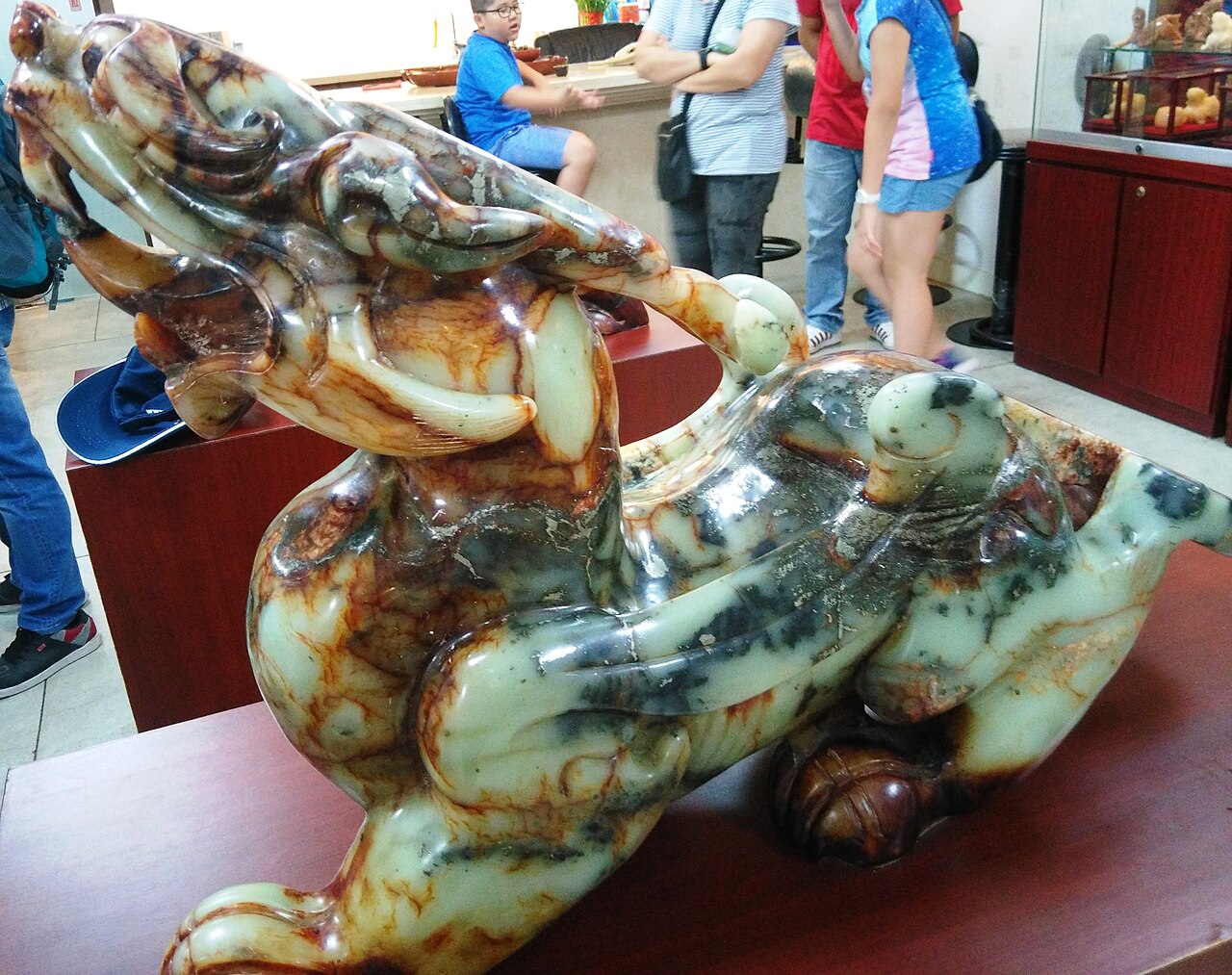
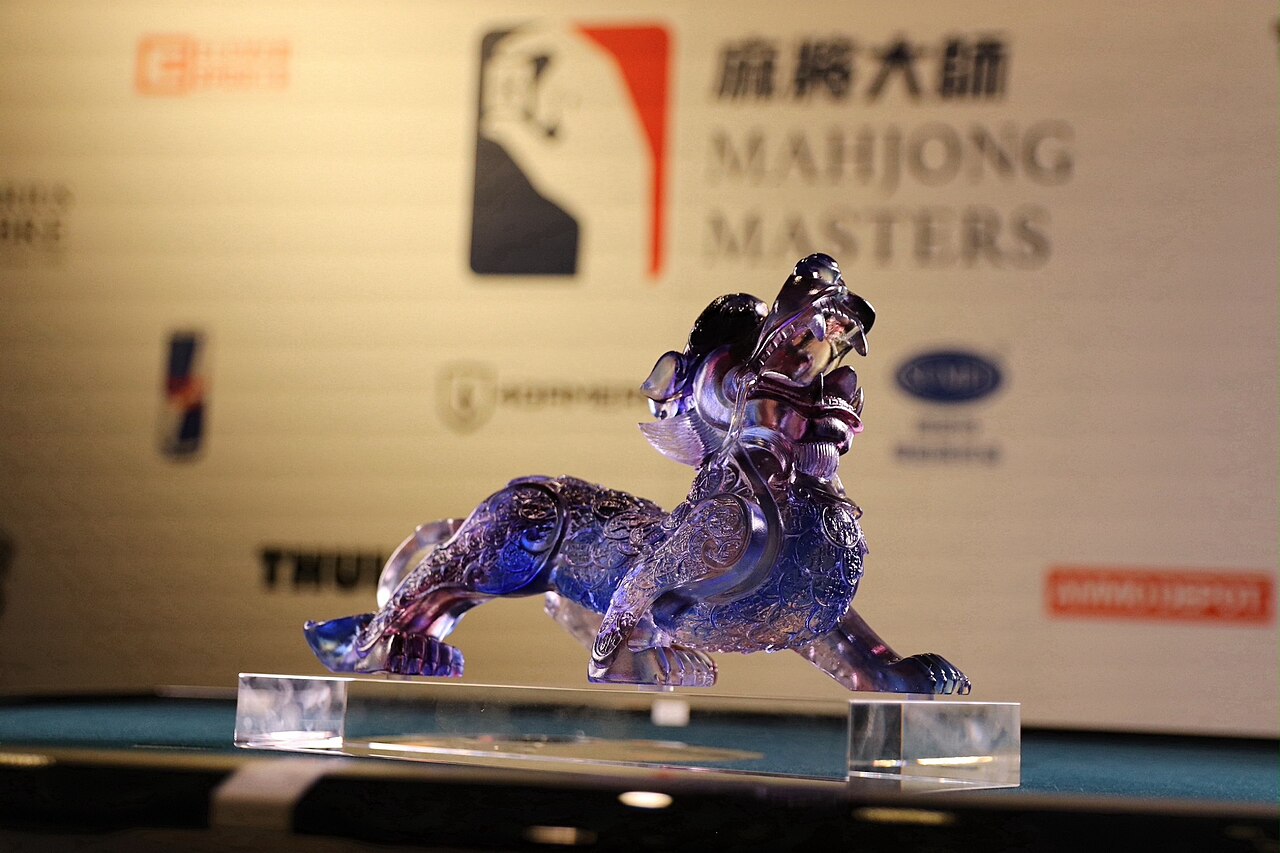
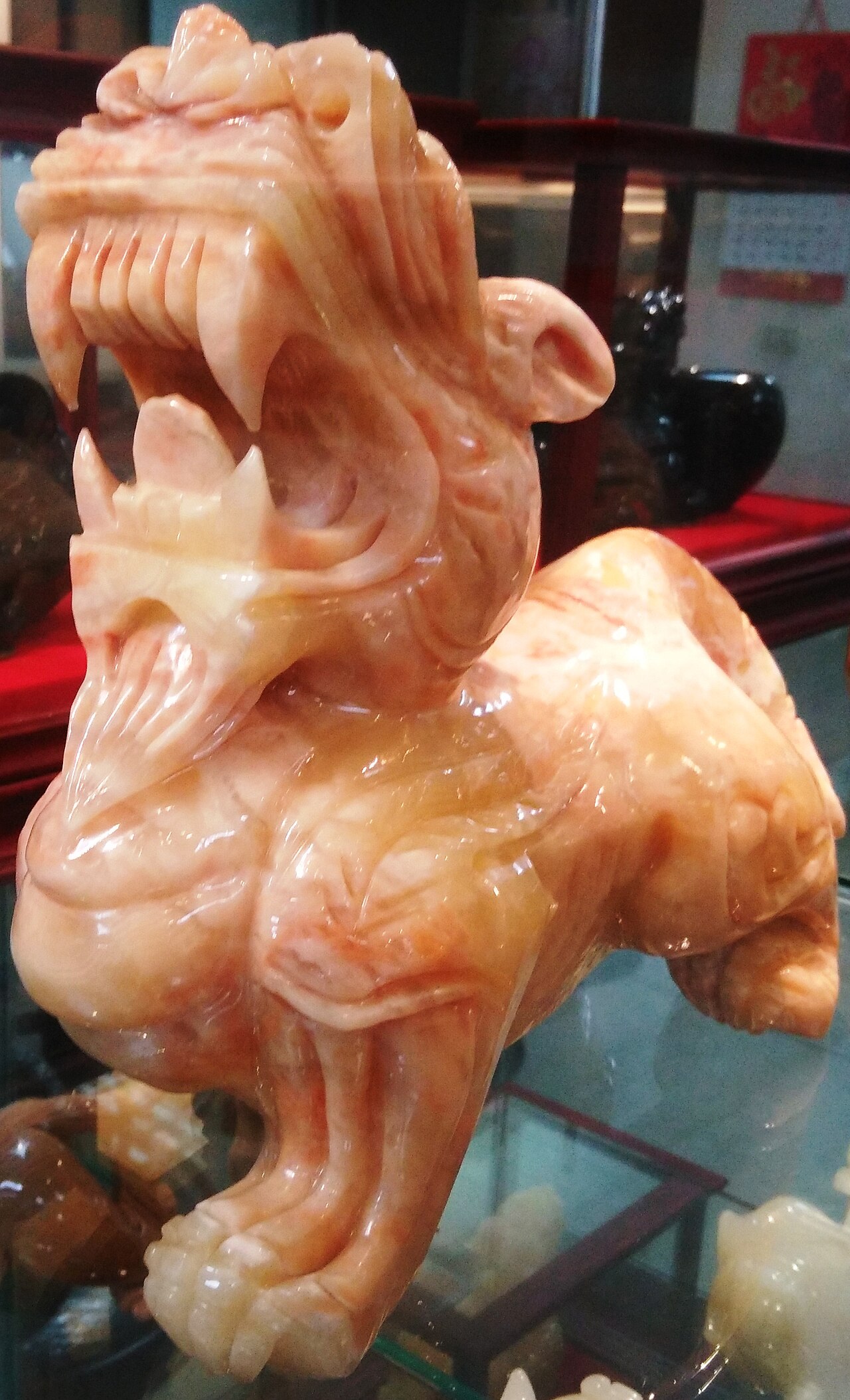
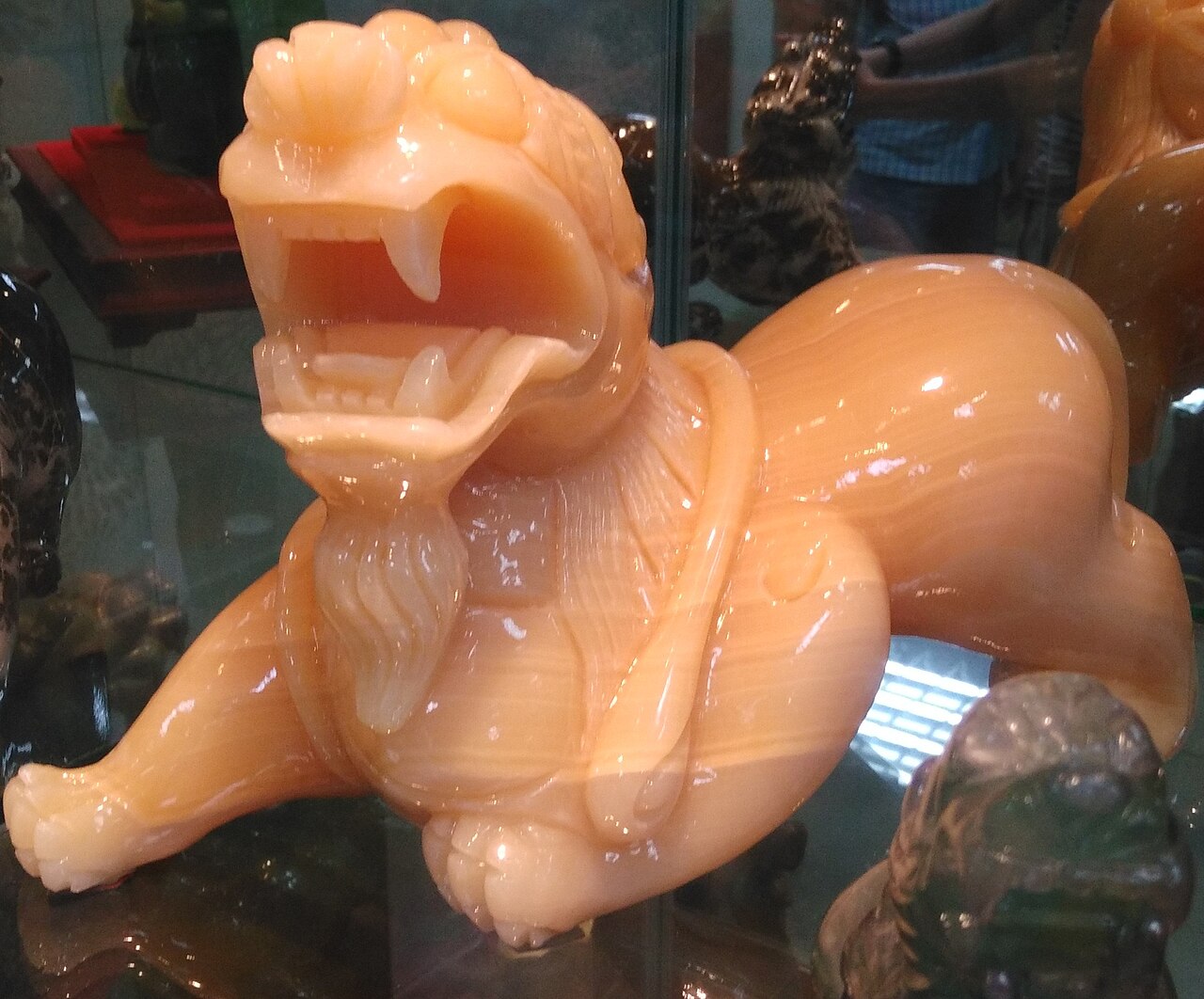
Sources · แหล่งที่มา
- Pixiu — Wikipedia (wikipedia; CC BY-SA 4.0)
- 貔貅 — 維基百科 (wikipedia; CC BY-SA 4.0)
- ปี่เซียะ — วิกิพีเดีย (wikipedia; CC BY-SA 4.0)
- Tỳ hưu — Wikipedia tiếng Việt (wikipedia; CC BY-SA 4.0)
- manuscript-crawler catalog.db — items table, 13,020 Lazada TH listings (method=commerce) + 6,990 manuscripts (catalogue; crawled; counts and price spreads only, never listing text)
- wichaa-vault _meta/vocab/classes.md — class axis (resident / upkeep / provenance_sensitivity) (vault; own)
- General knowledge of the Thai / Lanna amulet tradition (model training + secondary literature), hedged — never a specific date, title or scholar unless separately cited (book; n/a)
Default provenance: Cited · อ้างอิง axes → Catalogue · จากคลัง axes.materials → Catalogue · จากคลัง form.wearable_en → Cited · อ้างอิง origin.maker_en → Tradition · ตามประเพณี text.keeping_en → Inference · อนุมาน market → Catalogue · จากคลัง · confidence medium · needs verification · updated 2026-09-02