พระปิดตา phra pidta · Phra Pidta (eyes-covered Buddha)
📷 ถือชิ้นนี้อยู่? ถ่ายรูปเทียบ · Holding one? Photograph it to compare 🔍 ค้นหา · search Phra Pidta (eyes-covered
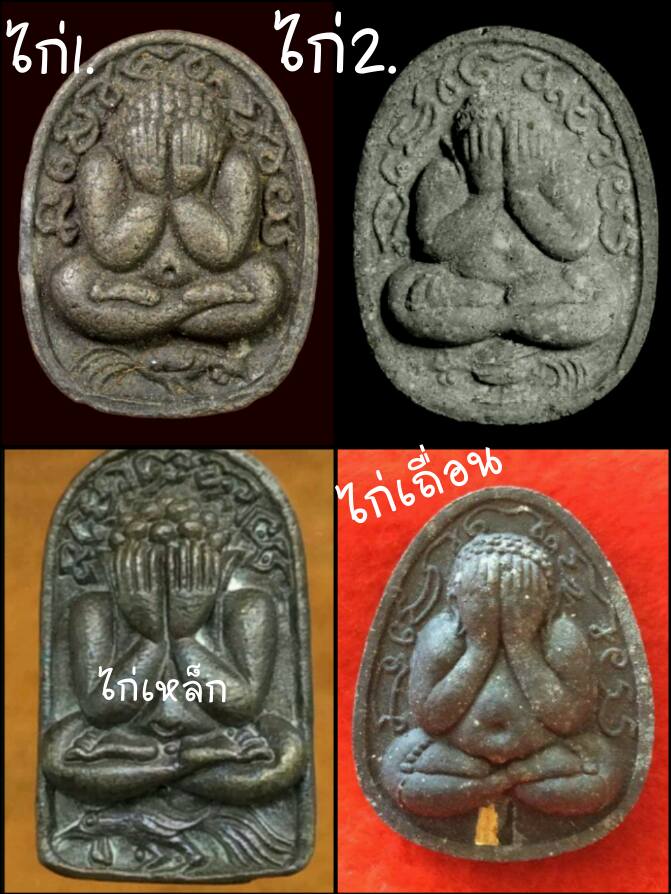
รูปนั่งยกมือปิดตาหรือปิดหน้า — ปิดทวารไม่ให้กิเลสและอันตรายเข้า ถือกันว่าเป็นพระสังกัจจายน์ เนื้อผงคลุกรักหรือโลหะหล่อ ใช้ทางกำบัง คงกระพัน และโชคลาภที่มาเงียบๆ
A figure with hands over its eyes — the shut-away senses. Pressed powder or cast metal; worked for warding and for wealth that slips past notice.
also: ปิดตา · พระภควัม · พระภควัมบดี · ปิดทวารทั้งเก้า · พระปิดตามหาอุตม์ · phra pid ta · pidta · phakawam · phra pakawam · closed-eyes Buddha · Phra Pakawam
At a glance · โดยย่อ
| Class · หมวด | พระเครื่อง Buddhist amulet Catalogue · จากคลัง |
|---|---|
| Resident · ผู้อยู่ | none |
| Upkeep · การเลี้ยง | none |
| Provenance sensitivity | low |
| Form · รูปแบบ | figure · รูปหล่อ/รูปปั้น |
| Material · เนื้อ | เนื้อผง sacred-powder paste · เนื้อโลหะ metal (unspecified) · ตะกั่ว lead |
| Function · คุณ | กำบัง concealment, going unseen · คงกระพัน invulnerability to blades · แคล้วคลาด evasion, narrow escape · มหาอุด stopping projectiles / misfire · โชคลาภ luck and windfall |
| Region · ถิ่น | ภาคกลาง Central Thailand (Bangkok, Ayutthaya basin) · ทั่วประเทศไทย Thailand, not regionally specific |
| Maker · ผู้สร้าง | ตำราสร้างเครื่องรางของขลัง (ตำราสร้างพระภควัมบดี ๙ แบบ) · สำนักที่วงการยกให้ เช่น หลวงพ่อแก้ว วัดเครือวัลย์ The amulet-making treatise gives nine Phakawambodi recipes; the trade's named lineages include Luang Pho Kaeo of Wat Khruea Wan (Chachoengsao) and Luang Pho To of Wat Thong, early Rattanakosin |
| Era · ยุค | ยุคต้นเป็นโลหะหล่อ ยุคหลังเป็นเนื้อผง Early pieces cast metal, later ones pressed powder Cited · อ้างอิง |
| Retail market (Lazada TH titles) | 166 listings · ฿59–500 typical · median ฿100 Catalogue · จากคลัง |
Form · รูปทรง Tradition · ตามประเพณี
| Shape · ทรง | รูปนั่งขัดสมาธิ ยกมือทั้งสองปิดหน้า บางแบบมีหลายมือปิดหู ปิดทวาร (ปิดทวารทั้งเก้า) เนื้อผงคลุกรักหรือโลหะหล่อ A seated cross-legged figure lifting both hands over its face; the nine-gate variant adds arms that cover the ears and the lower body. Pressed powder (often lacquer-bound) or cast metal; older treatise pieces are carved |
|---|---|
| Worn · การพก | ห้อยคอในตลับ ตำราให้อมไว้ในปากเมื่อออกเดินทาง Worn at the neck in a case; the treatise has the bearer hold it in the cheek when travelling |
| Obverse · ด้านหน้า | รูปนั่ง มือปิดตา ไม่เห็นใบหน้า The seated figure with hands over the eyes; no face is shown |
| Reverse · ด้านหลัง | เรียบ หรือลงยันต์ บางองค์อุดผงหรือตะกรุดที่ก้น Plain or inscribed with a yantra; some carry a filled cavity or a takrut in the base |
| Notes | No single size: pendant pieces run from thumbnail to matchbox. The treatise fixes carved pieces at one angkuli (finger-joint) tall. |
| Iconography · สัญลักษณ์ | มือปิดตา / ปิดหน้า hands covering the eyes or the whole face ปิดทวารทั้งเก้า — มือหลายคู่ปิดตา หู จมูก ปาก และทวารล่าง nine gates closed: several pairs of arms sealing eyes, ears, nose, mouth and the lower openings รูปพระสังกัจจายน์ อ้วน ท้องพลุ้ย the stout, pot-bellied body of Phra Sangkachai (Mahakaccayana), whom the figure is held to depict |
What to look at · จุดสังเกต
Type-level marks a reader can check by eye or loupe.
| มือปิดตาหรือปิดหน้า ไม่มีใบหน้าให้เห็น — คือลักษณะจำแนก The hands over the face are the kind's whole identity; a figure with a visible face is not a pidta | Cited · อ้างอิง |
| แบบปิดทวารทั้งเก้ามีแขนมากกว่าสองข้าง The nine-gate type has more than two arms; count them | Cited · อ้างอิง |
| เนื้อผงมักคลุกรัก สีดำหรือน้ำตาลเข้ม ต่างจากผงขาวของพระสมเด็จ Powder bodies are usually lacquer-bound and dark brown to black, unlike the white somdej powder; metal ones are cast lead, bronze or alloy | Tradition · ตามประเพณี |
| ตำราให้ล้วงก้นบรรจุยันต์และยา อุดด้วยชันโรง แล้วลงรักปิดทอง — ดูรอยอุดใต้ฐาน The treatise hollows the base, packs in a yantra and ground medicine, seals it with stingless-bee resin and lacquers and gilds the piece; a plugged base and gilt-over-lacquer are the marks of that recipe | Catalogue · จากคลัง |
| ตำรากำหนดสูงหนึ่งองคุลี Carved treatise pieces are one finger-joint tall | Catalogue · จากคลัง |
How to tell it from · แยกจาก
| พระสมเด็จ · Phra Somdej | พระสมเด็จเห็นหน้า นั่งในซุ้ม เนื้อผงขาว · พระปิดตาไม่เห็นหน้า เนื้อผงดำหรือโลหะ A somdej shows its face inside an arch on a white tablet; a pidta hides its face and is usually a dark lacquered powder or a metal casting |
|---|---|
| พระกริ่ง · Phra Kring (rattling cast Buddha) | พระกริ่งมือลงมารวิชัย มีเม็ดกริ่ง · พระปิดตามือปิดหน้า A kring's hands are in the earth-touching pose and it chimes; a pidta's hands are over its face |
| รูปพระฤๅษี · Phra Lersi figure (the hermit-teacher) | ฤๅษีมีหนวดเครา สวมหนังเสือ หน้าเปิด · พระปิดตาปิดหน้า A lersi has a beard, a topknot or tiger skin and an open face; a pidta has none of these and covers its face |
The story · เรื่องเล่า Catalogue · จากคลัง
ตำราสร้างเครื่องรางของขลังเรียกว่าพระภควัมบดี ให้ไว้เก้าแบบ วัสดุคือเขี้ยวหมูตัน รากรักซ้อน กาฝากโพธิ์ กาฝากชุมแสง และวัสดุอื่นที่ไม่นำมาลงที่นี่ แกะสูงหนึ่งองคุลี ล้วงก้นใส่ยันต์กับยาบด อุดชันโรง ลงรักปิดทอง บางแบบห่อด้วยตะกั่วลงคาถา แช่น้ำมันหอมในขันสัมฤทธิ์เสกจนพระลุกขึ้นนั่ง ใช้ทางกำบัง คงกระพัน แคล้วคลาด และปิดปากคน
The treatise calls it Phra Phakawambodi and gives nine recipes. The figure is carved from a solid pig's tusk, from the root of the rak-son vine on the east side, from mistletoe of a Bodhi or chumsaeng tree, or from a material not reproduced here, one finger-joint tall; the base is hollowed, a yantra and ground 'sleeping-leaf' medicine go in, stingless-bee resin seals it, and the piece is lacquered and gilded. One version wraps three figures — eyes, ears, mouth each covered — in thin lead inscribed nga-ya-na-ma; another lays the figure in fragrant oil in a bronze bowl and recites until it 'rises up and sits'. Uses named are concealment, invulnerability, evasion, and shutting the mouths of those who see you. Wikipedia's account is the gentler one: the figure is Phra Sangkachai entering cessation, the nine gates closed against defilement, later pressed in powder by named Rattanakosin masters.
Keeping · การเลี้ยงดู Catalogue · จากคลัง
ไม่มีผู้อยู่ ไม่ต้องเลี้ยง — วัสดุตามตำราเป็นวัสดุ ไม่ใช่ผู้อยู่
Nobody home, nothing owed: a phra khrueang. Whatever the treatise carves it from is material, not a resident; the vault keeps the kind in the Buddha-amulet class.
Pictures · ภาพ
Sources · แหล่งที่มา
- manuscript-wiki/data/holding_key.json — the 36-kind identification key behind wichaa.net/holding (vault; own)
- wichaa-vault _meta/vocab/classes.md — class axis (resident / upkeep / provenance_sensitivity) (vault; own)
- ตำราสร้างเครื่องรางของขลัง — amulet-making treatise, manuscript 6983, bilingual transcription (170 pp, 160 formulas) (treatise; contributed volume; katha not proofed by a scholar)
- พระปิดตา — วิกิพีเดีย (wikipedia; CC BY-SA 4.0)
- General knowledge of the Thai / Lanna amulet tradition (model training + secondary literature), hedged — never a specific date, title or scholar unless separately cited (book; n/a)
Default provenance: Tradition · ตามประเพณี axes → Catalogue · จากคลัง text.what_en → Catalogue · จากคลัง text.keeping_en → Catalogue · จากคลัง market → Catalogue · จากคลัง text.story_en → Catalogue · จากคลัง iconography → Cited · อ้างอิง origin → Cited · อ้างอิง axes.functions → Catalogue · จากคลัง · confidence high · updated 2026-09-02