พระกรุ phra kru · Phra Kru (cache-find amulet)
📷 ถือชิ้นนี้อยู่? ถ่ายรูปเทียบ · Holding one? Photograph it to compare 🔍 ค้นหา · search Phra Kru (cache-find amu
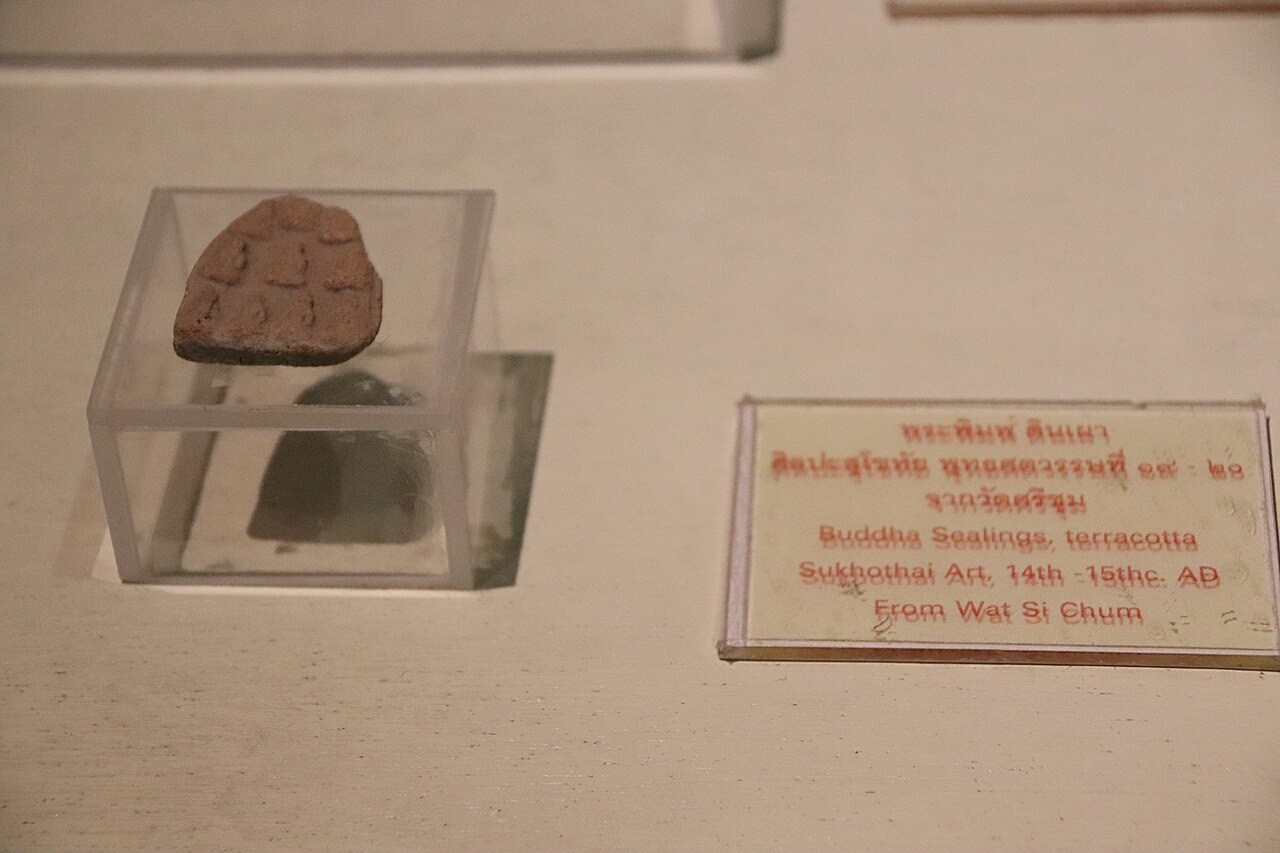
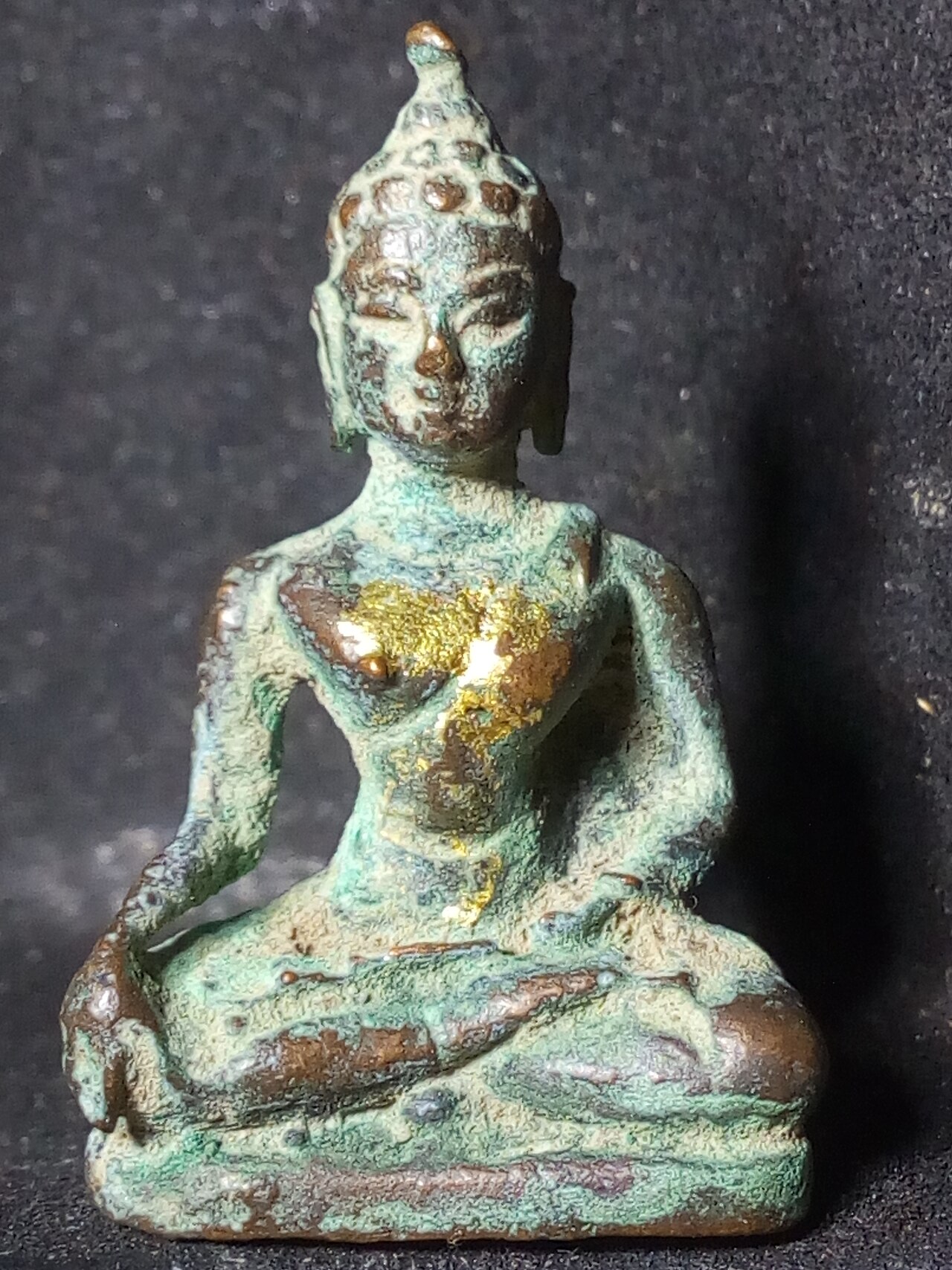
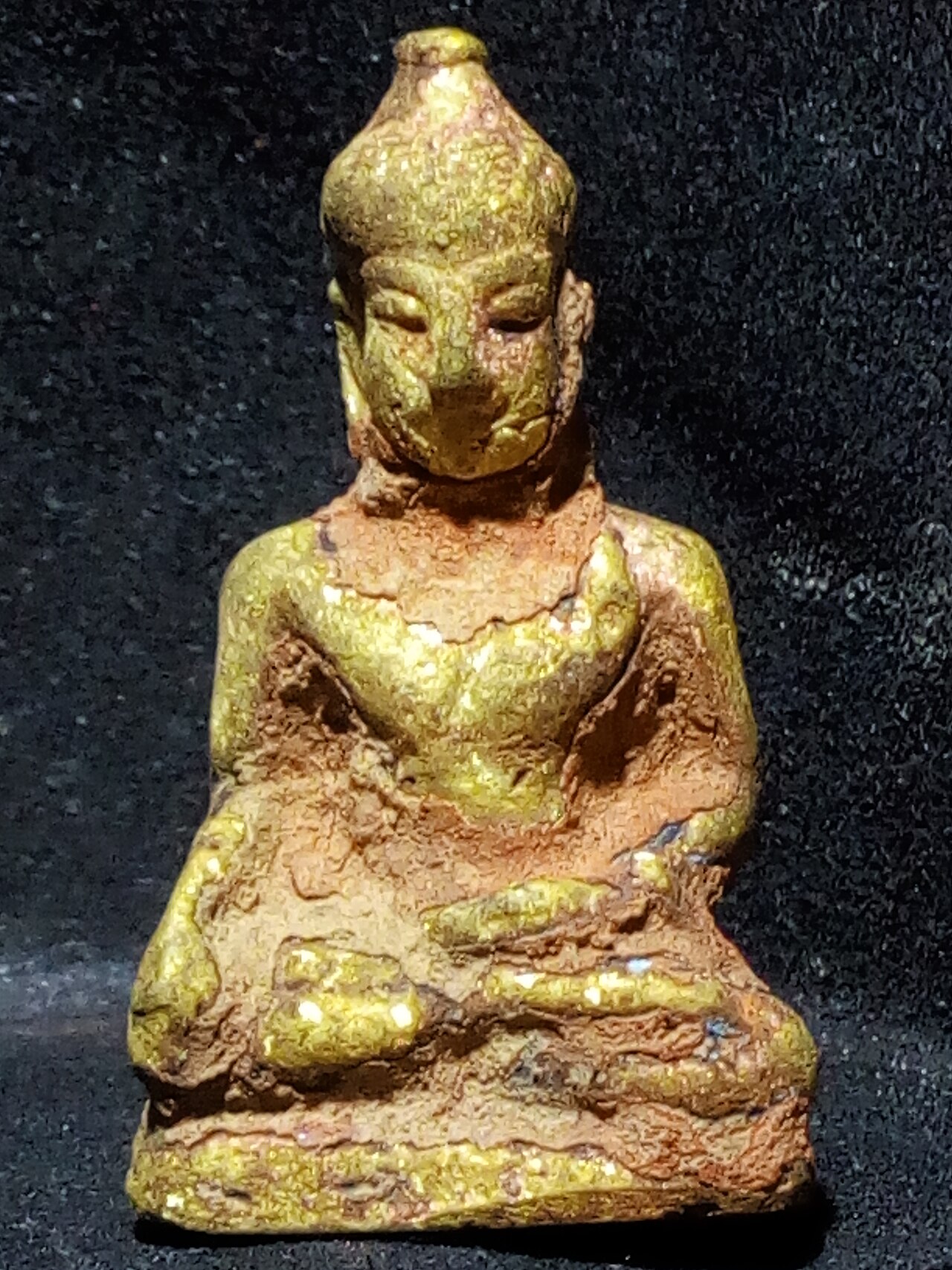
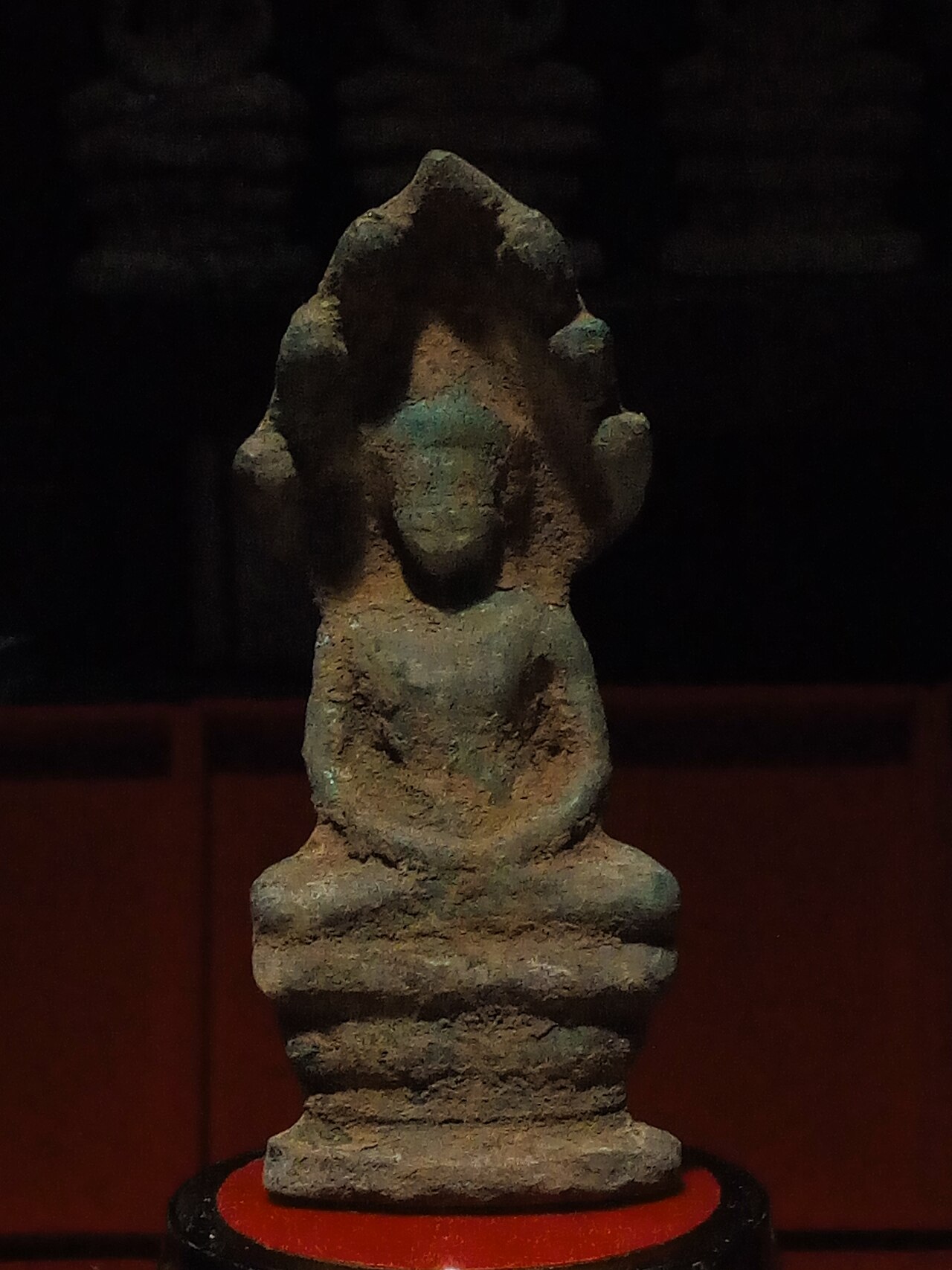
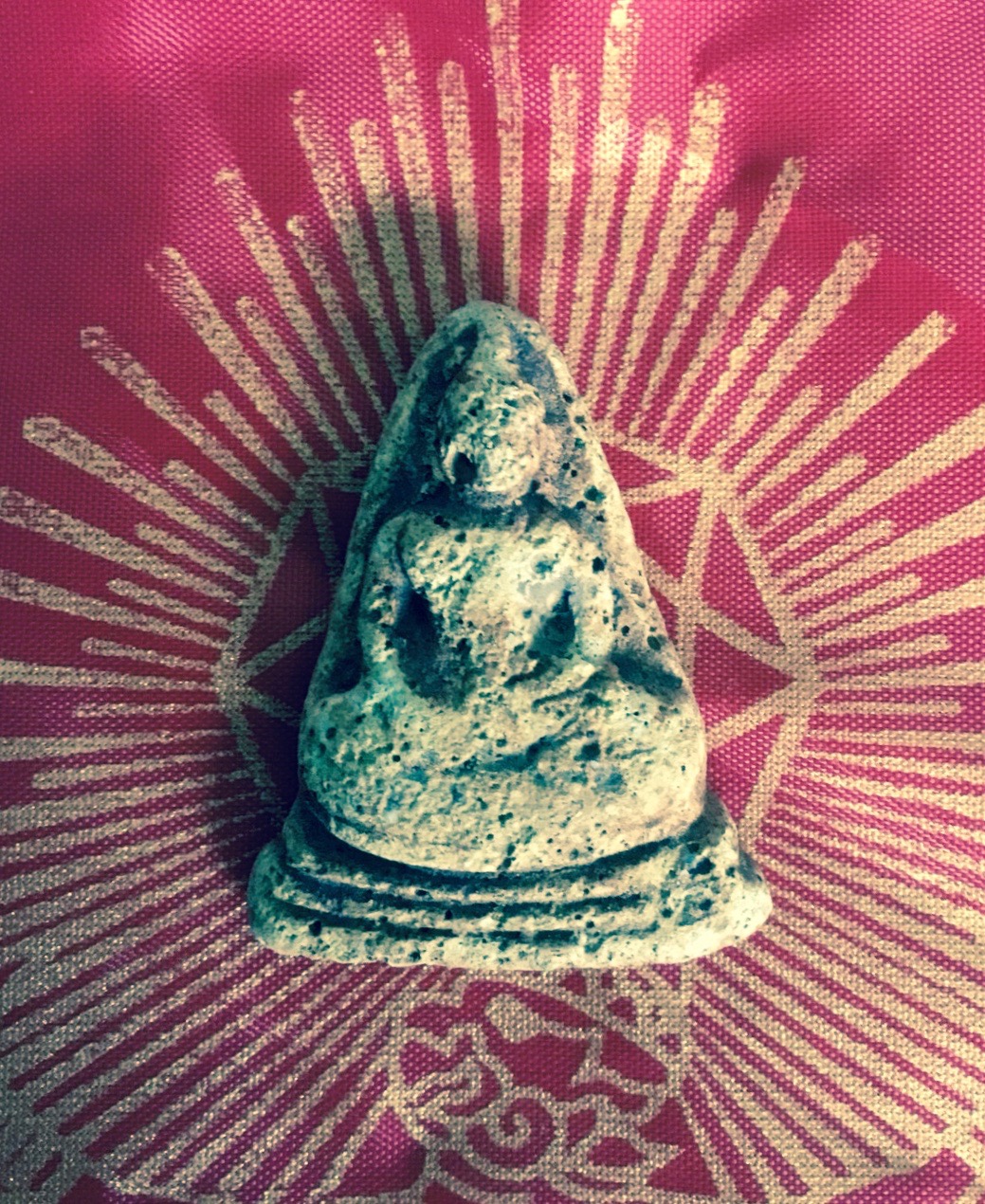
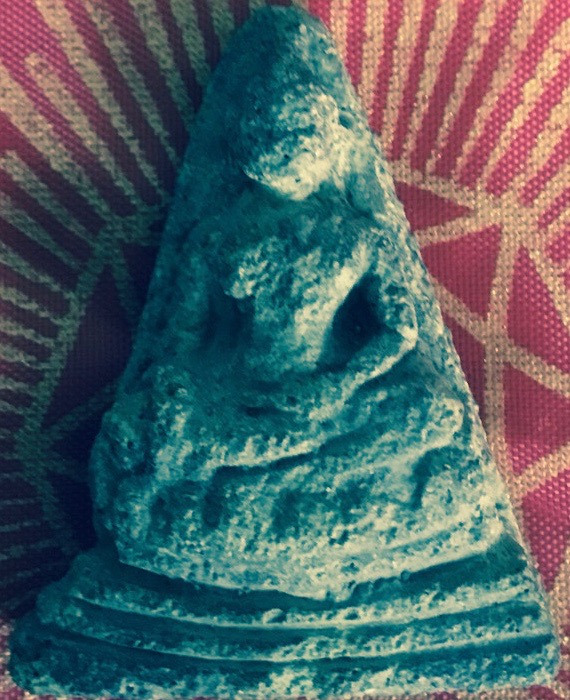
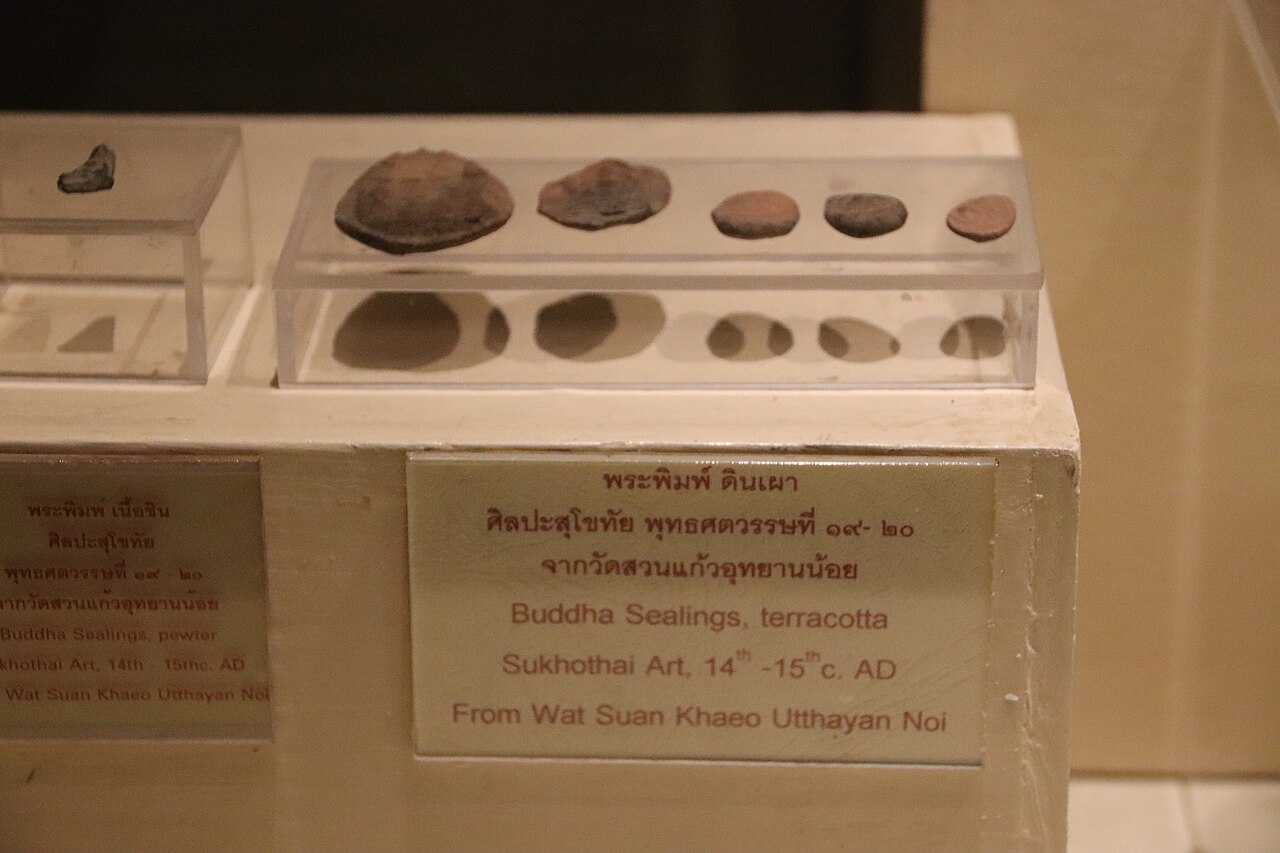
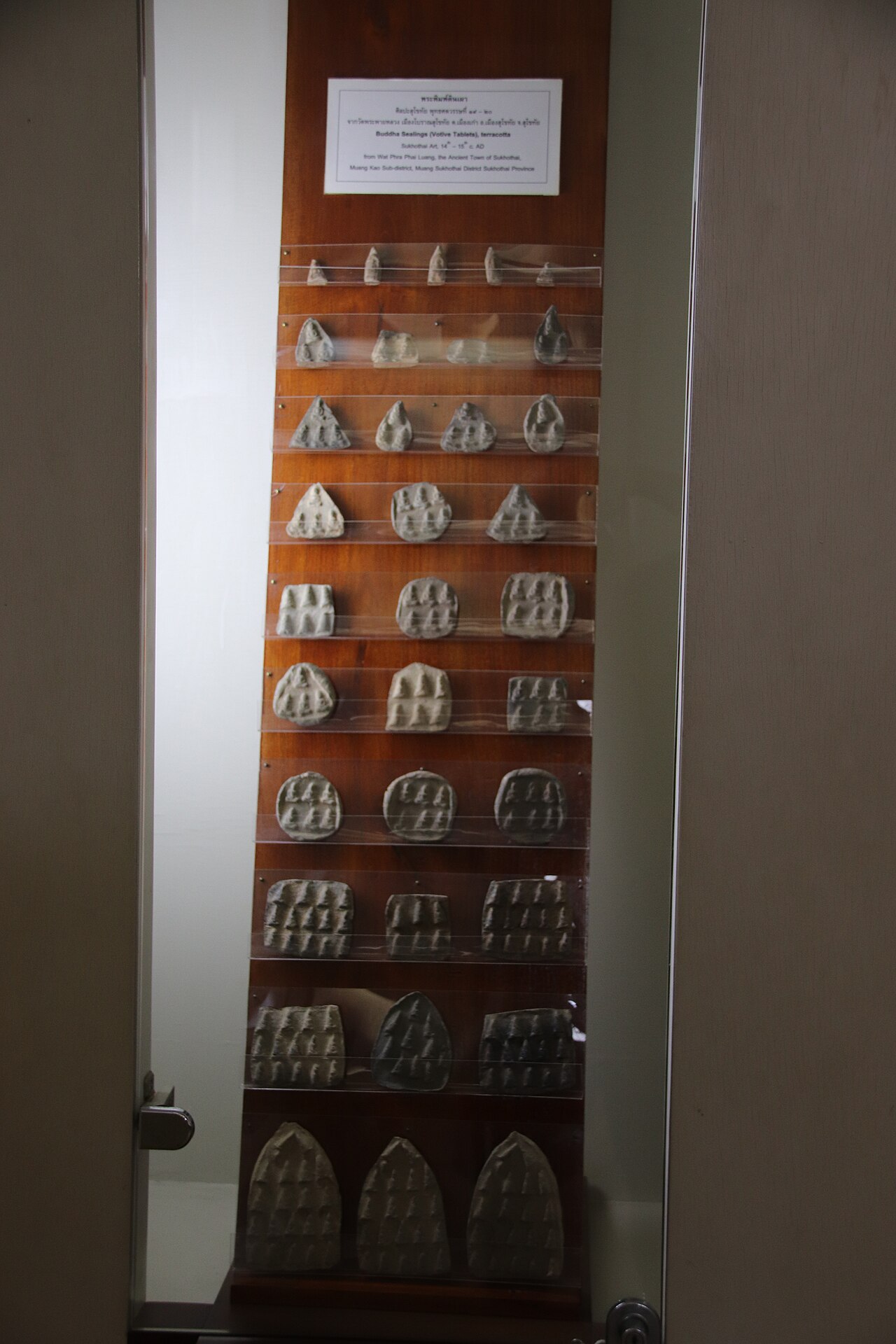
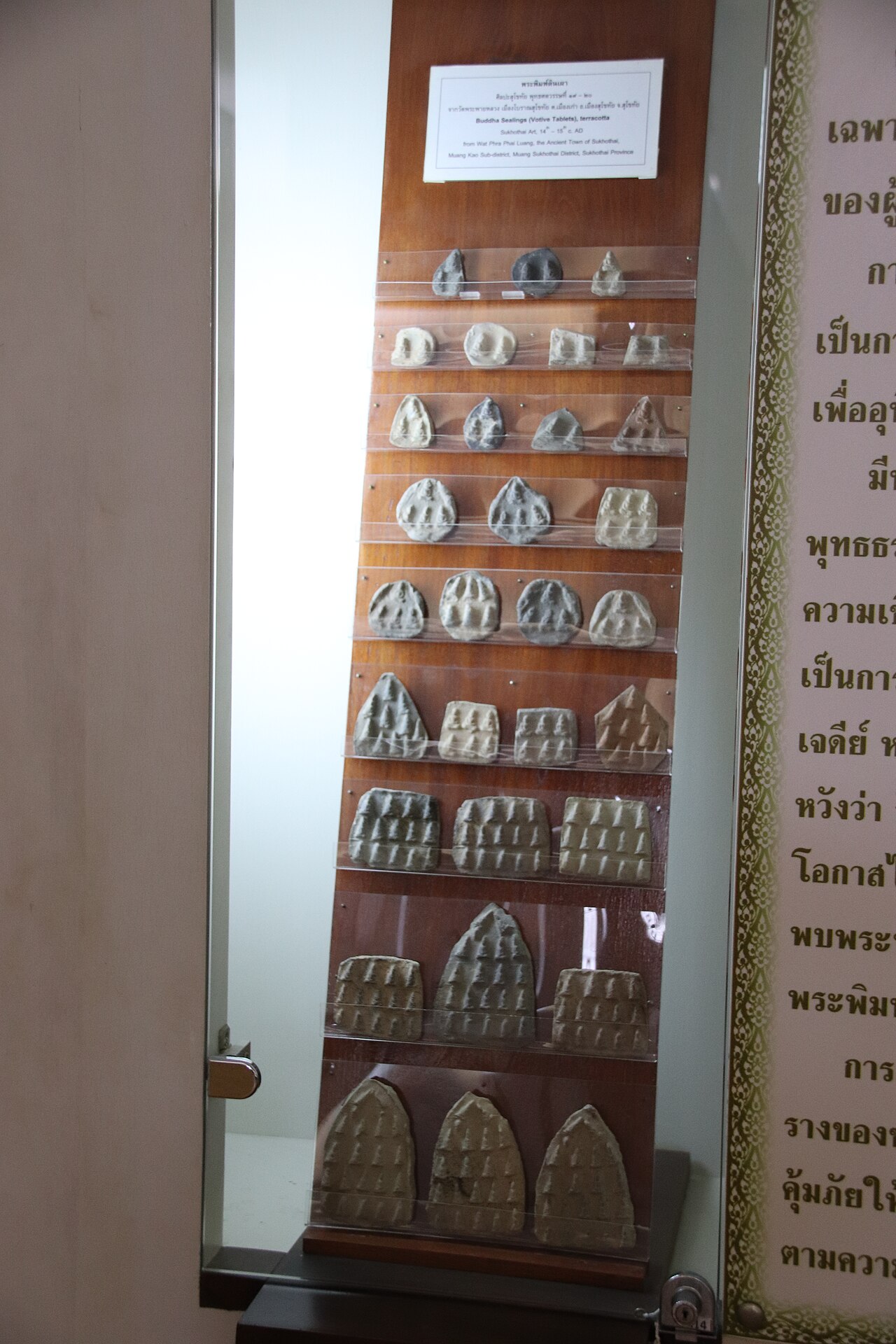
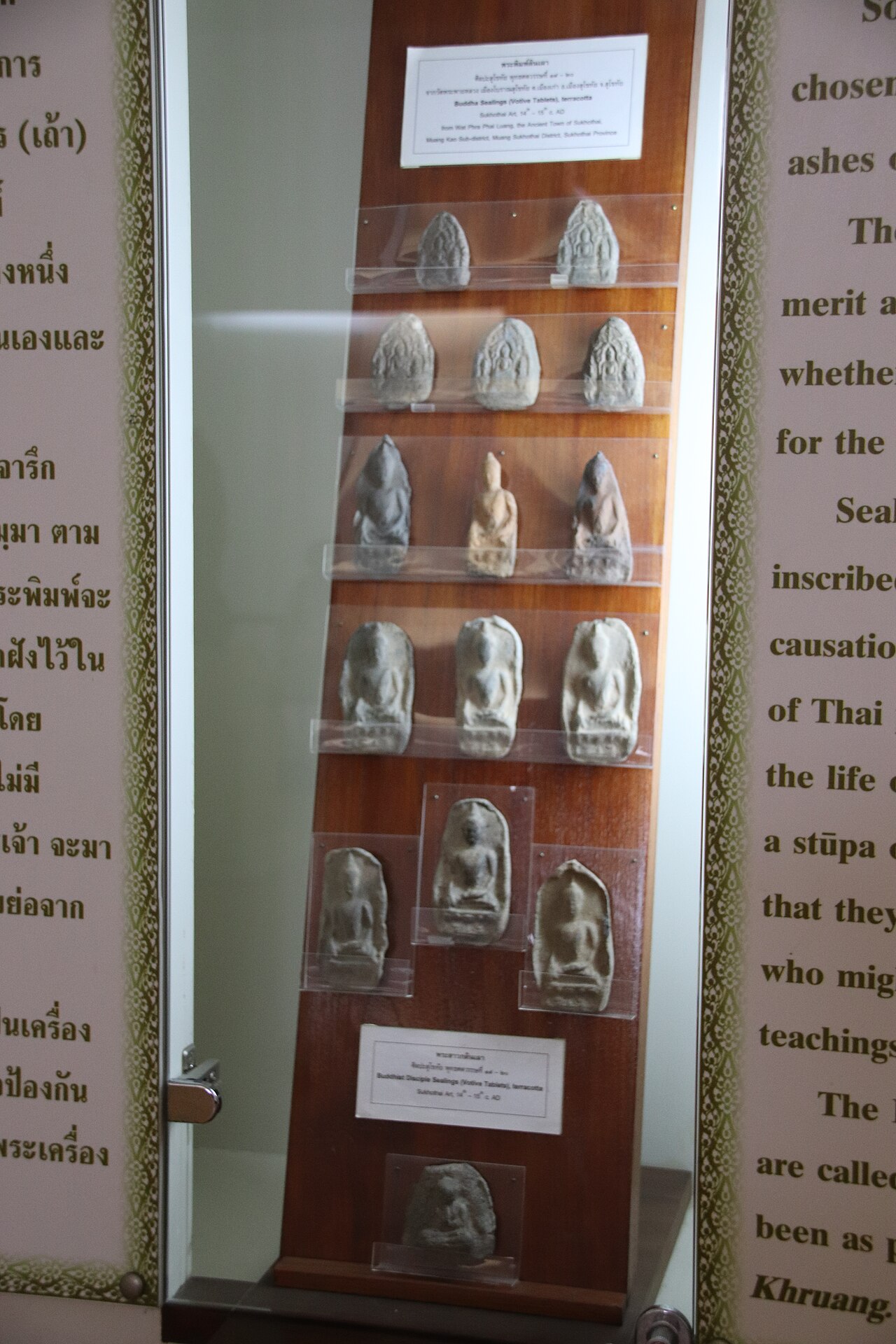
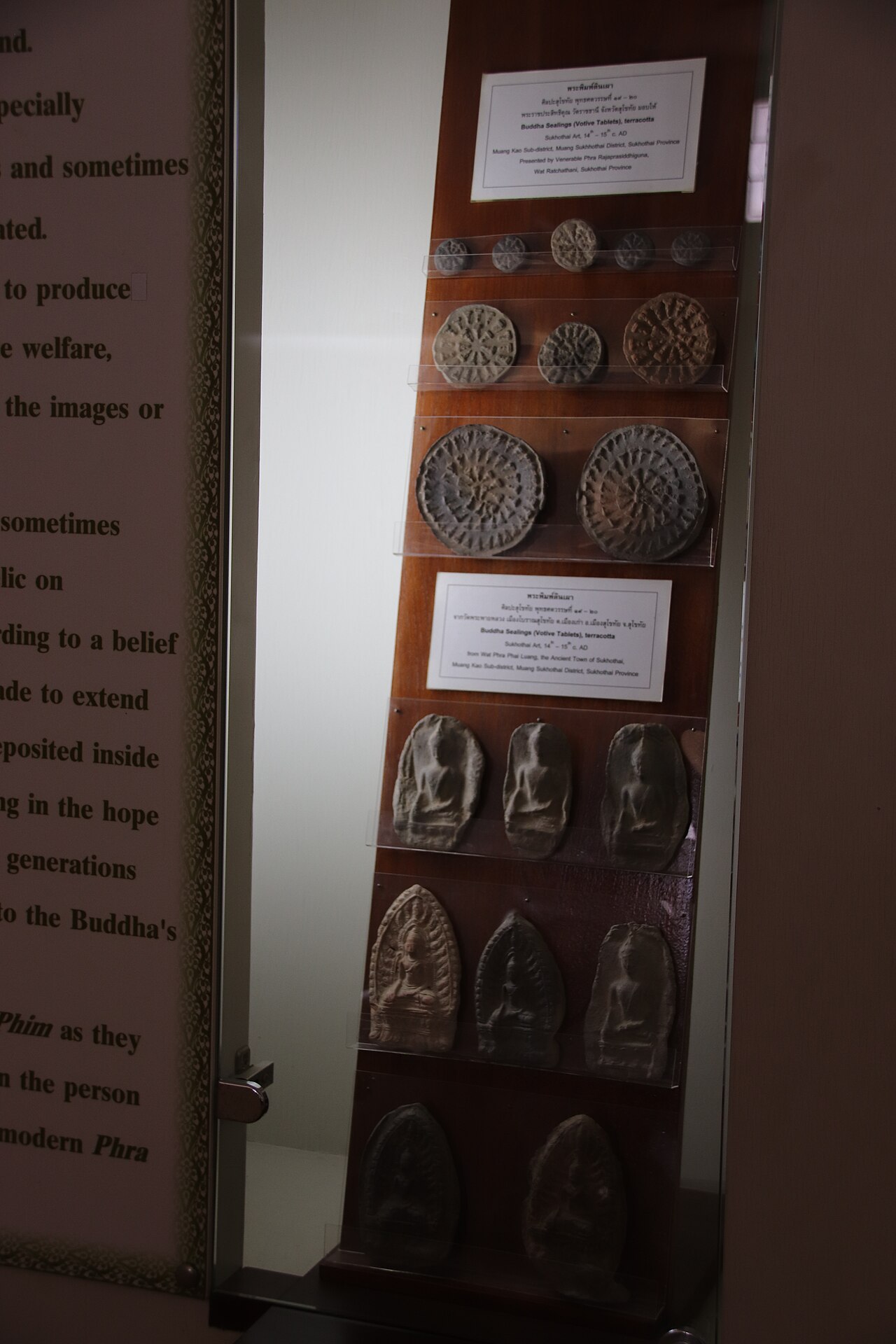
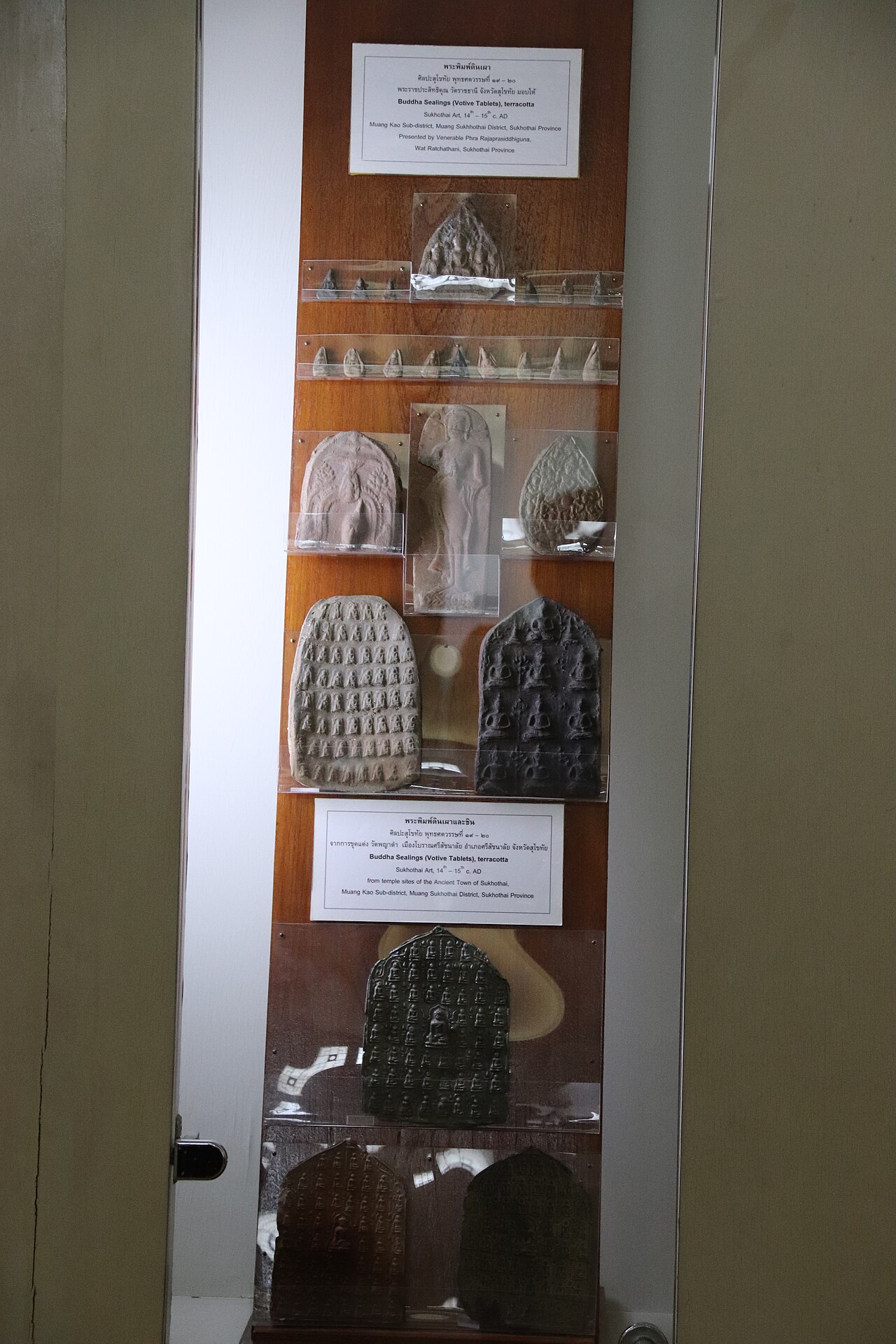
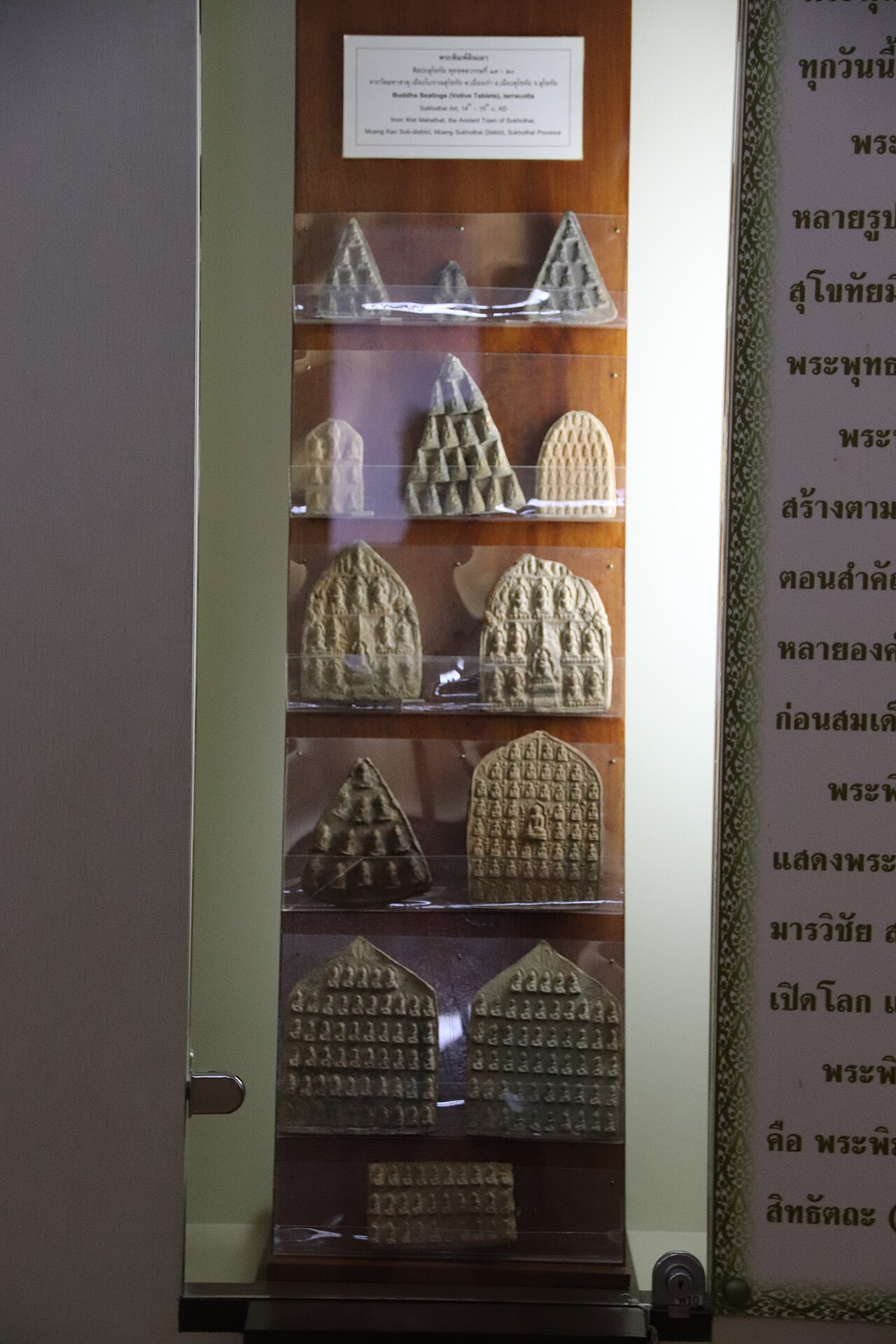
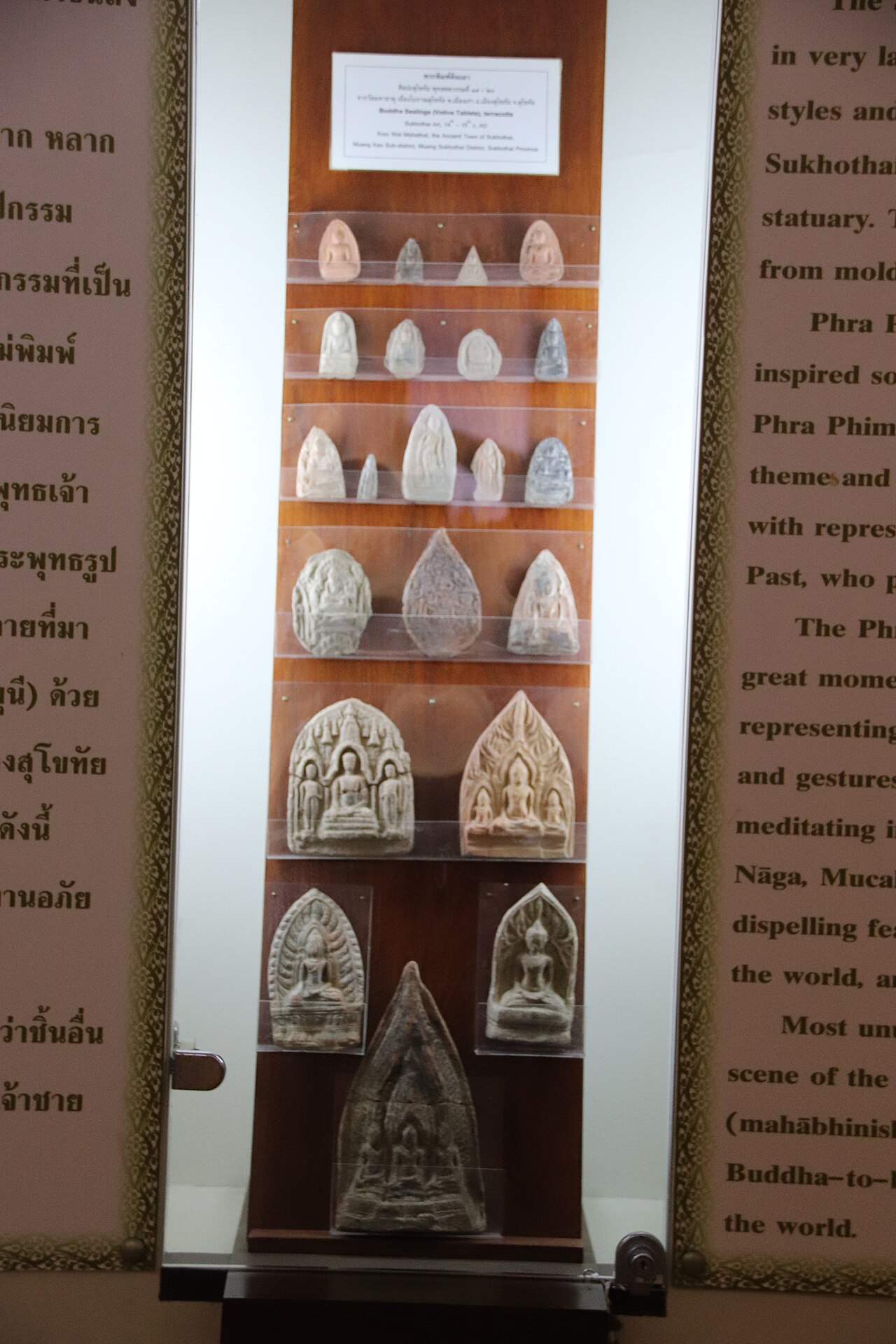
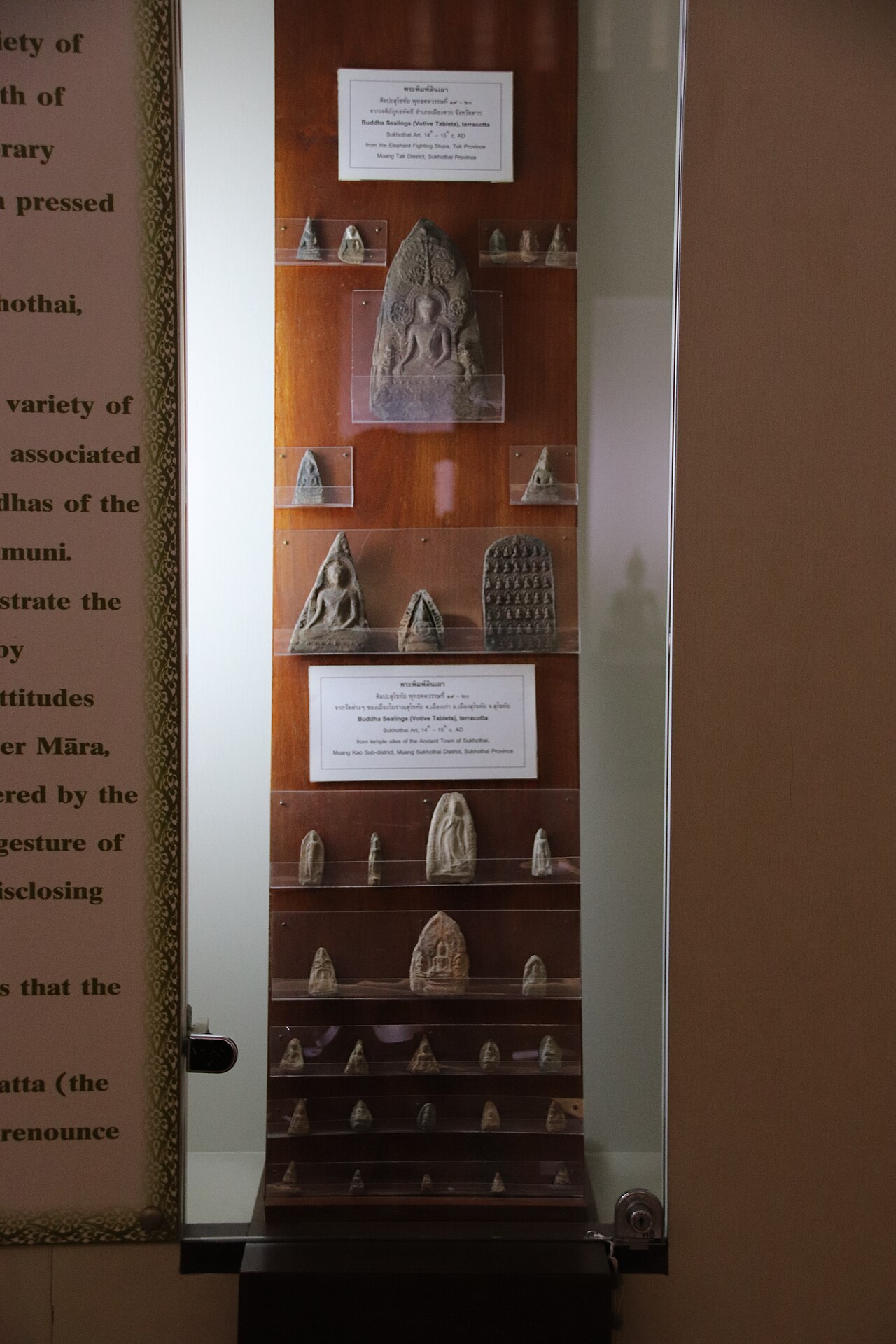
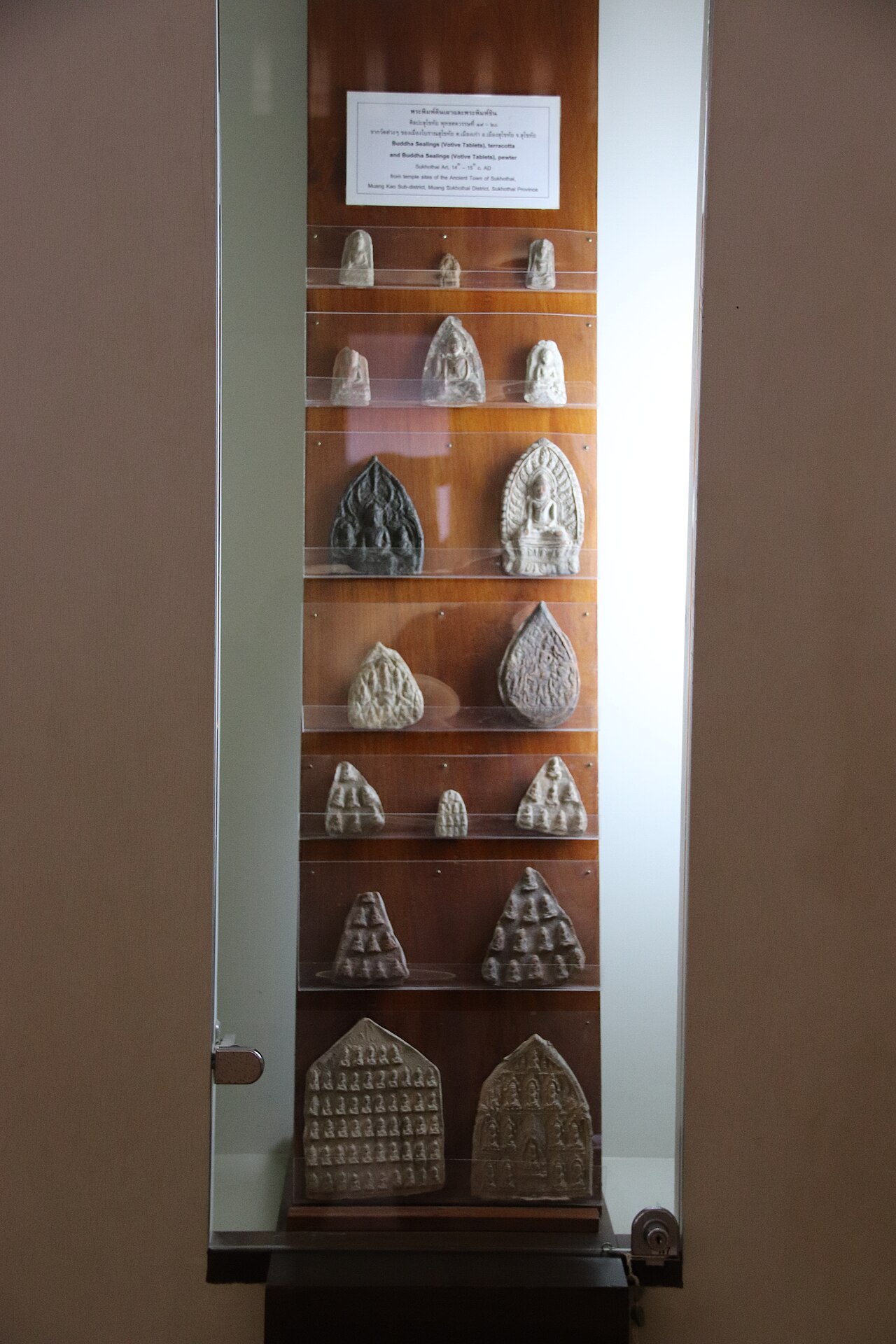
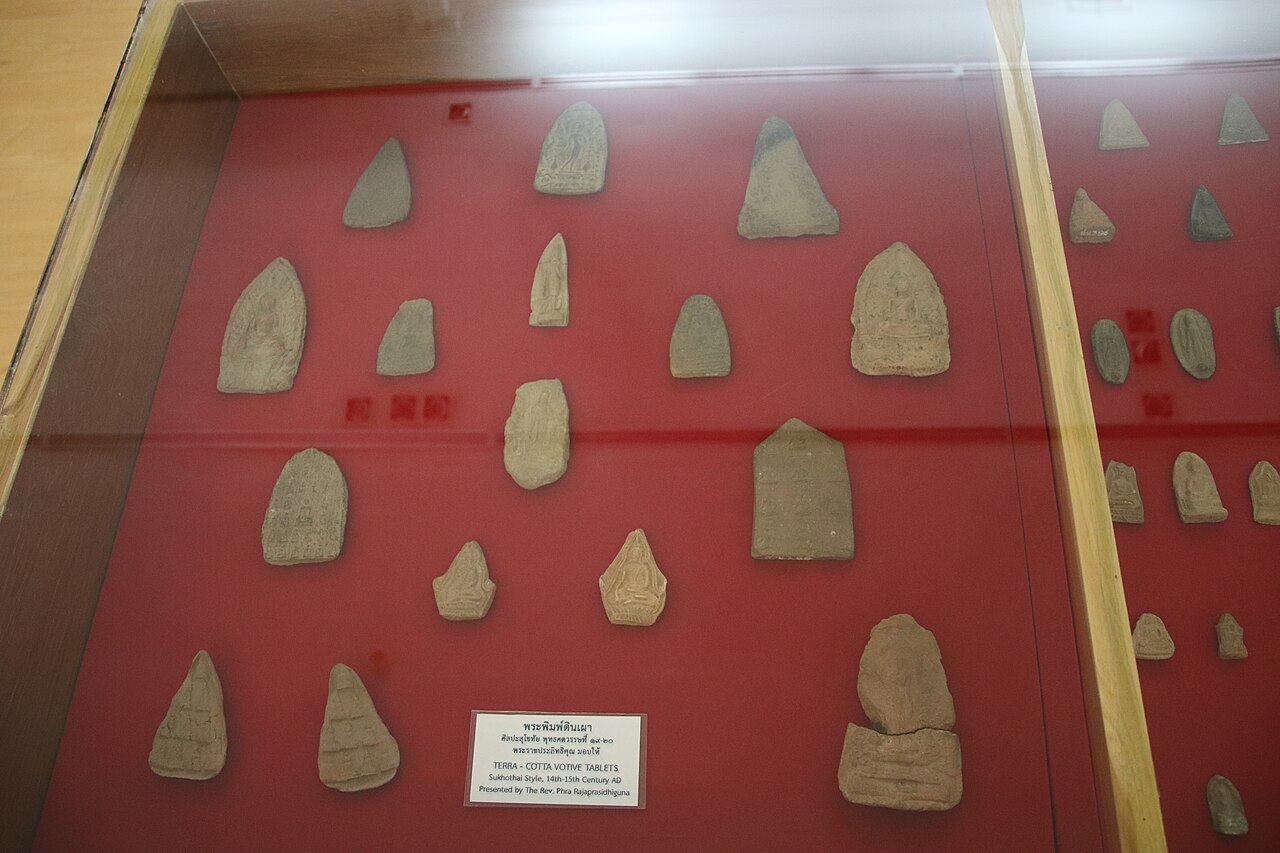
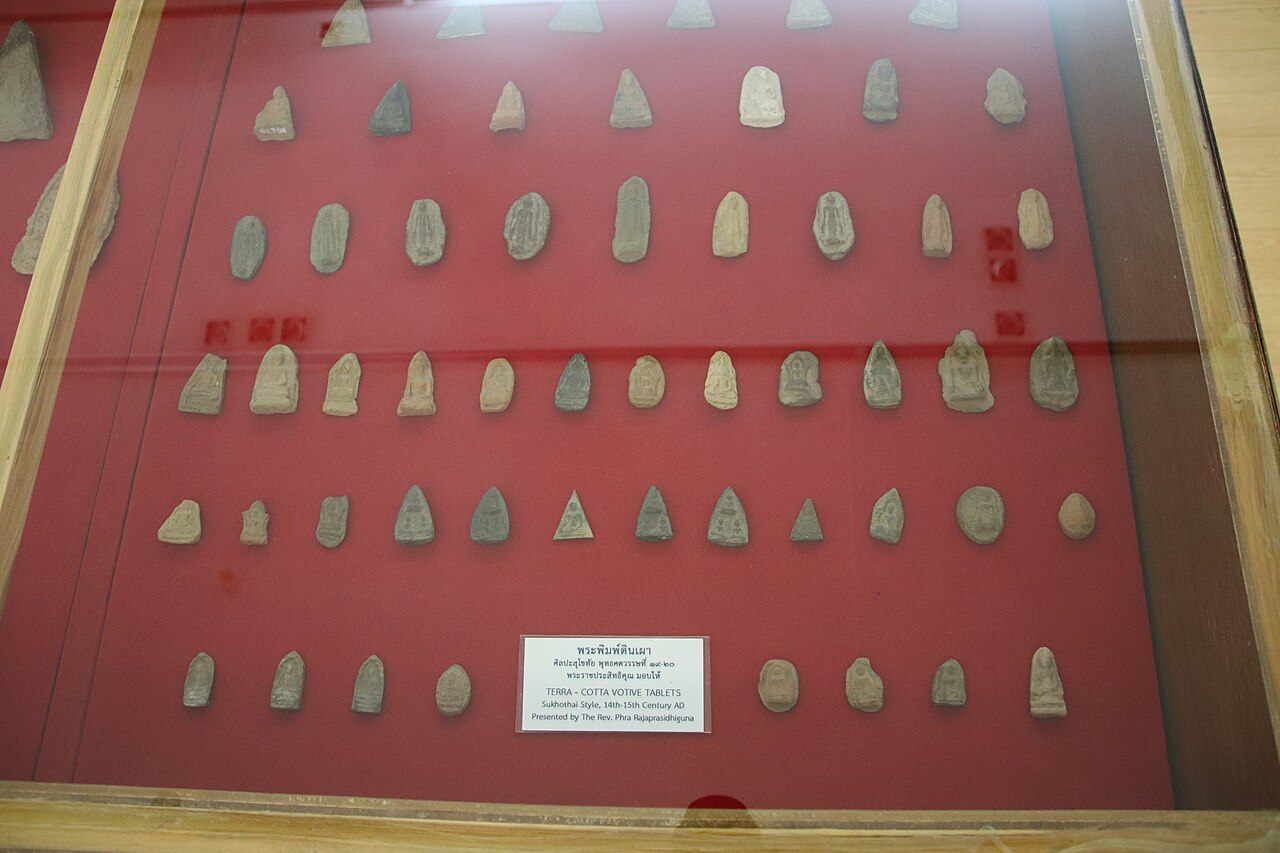
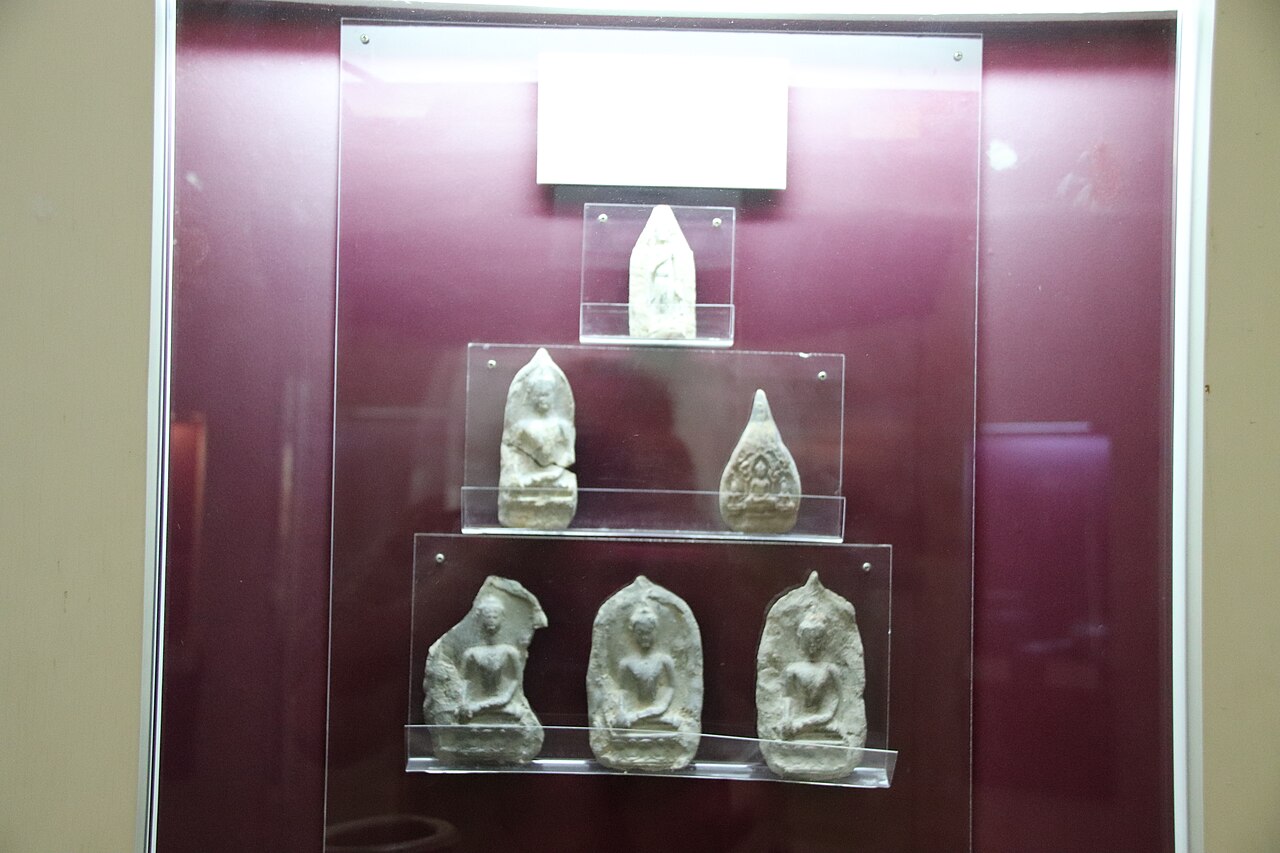
พระพิมพ์ที่ได้จากกรุเจดีย์ที่ปิดไว้ — ดินเผาหรือชินมากกว่าผง มีคราบและแร่บานจากหลายร้อยปีในกรุ อายุคือคำถามทั้งหมด ผิวคือพยาน ไม่มีผู้ใดสถิตอยู่
An amulet recovered from a sealed temple cache (กรุ) — fired earth or chin alloy more often than powder, with the crust and mineral bloom of centuries in the chamber. Age is the whole question; the surface is the testimony.
also: กรุเก่า · พระกรุเก่า · พระพิมพ์กรุ · phra kroo · kru amulet · stupa-deposit amulet · votive tablet from a cache
At a glance · โดยย่อ
| Class · หมวด | พระเครื่อง Buddhist amulet Catalogue · จากคลัง |
|---|---|
| Resident · ผู้อยู่ | none |
| Upkeep · การเลี้ยง | none |
| Provenance sensitivity | low |
| Form · รูปแบบ | tablet · พระพิมพ์/แผ่น |
| Material · เนื้อ | เนื้อดิน clay body · เนื้อชิน tin-lead alloy · สนิมแดง red rust patina · เนื้อผง sacred-powder paste |
| Function · คุณ | คุ้มครอง general protection, watching over |
| Region · ถิ่น | ทั่วประเทศไทย Thailand, not regionally specific |
| Era · ยุค | ประเพณีบรรจุพระพิมพ์ในกรุเจดีย์เพื่อสืบพระศาสนา The practice of sealing votive tablets in a stupa's chamber to carry the religion forward, per Thai Wikipedia; the tablets surface when the structure fails or is opened Catalogue · จากคลัง |
| Retail market (Lazada TH titles) | 37 listings · ฿69–257 typical · median ฿129 Catalogue · จากคลัง |
Form · รูปทรง Catalogue · จากคลัง
| Shape · ทรง | พระพิมพ์ทุกทรง — ดินเผาหรือชินเป็นหลัก Any pressed-tablet form; fired earth or chin alloy far more often than powder |
|---|---|
| Worn · การพก | ห้อยคอในตลับ Worn at the neck in a case |
| Obverse · ด้านหน้า | องค์พระตามศิลปะยุคที่บรรจุ A Buddha in the style of the period that sealed the cache |
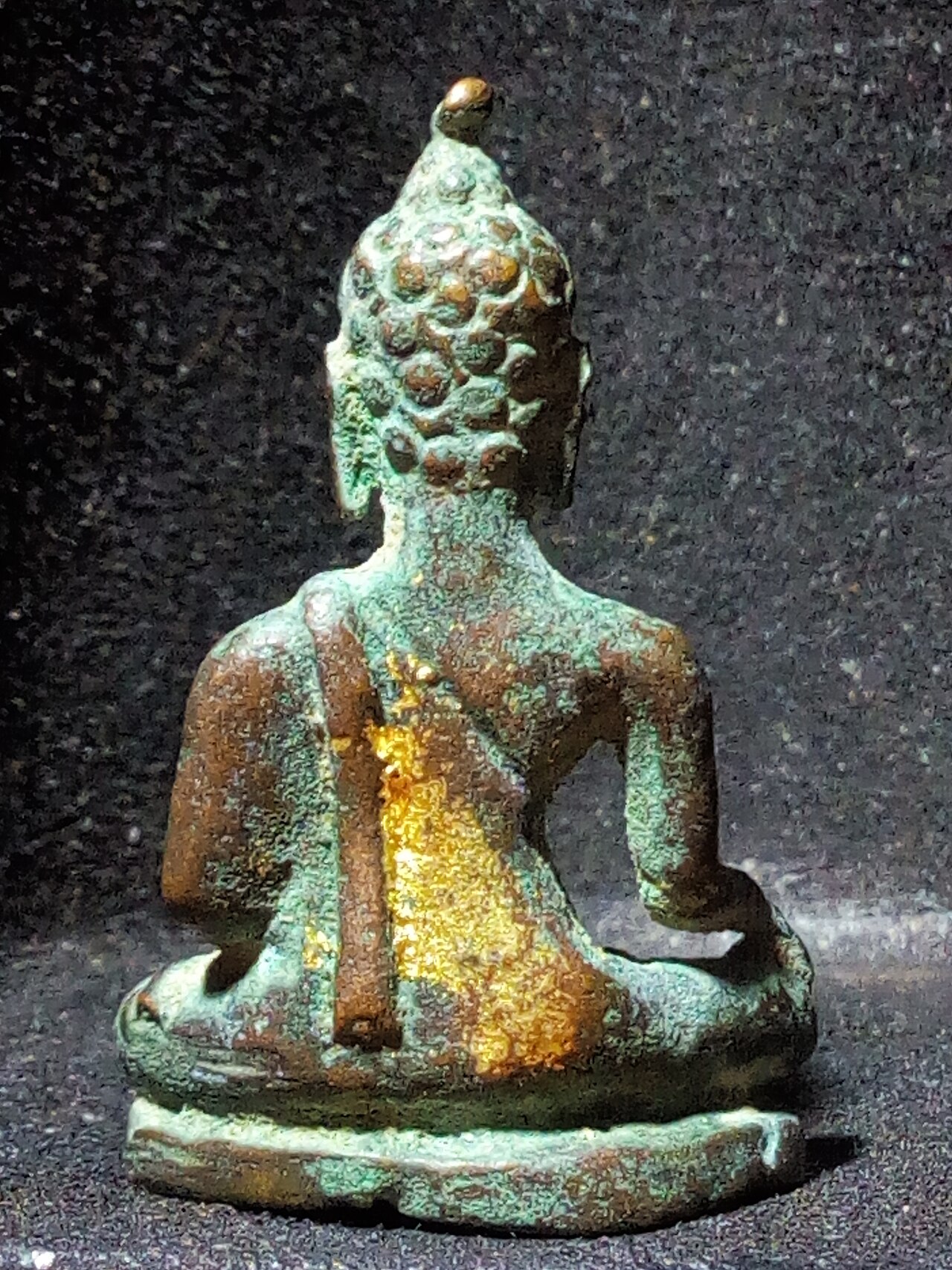
| Reverse · ด้านหลัง | เรียบ มีคราบกรุ Plain, carrying cache crust |
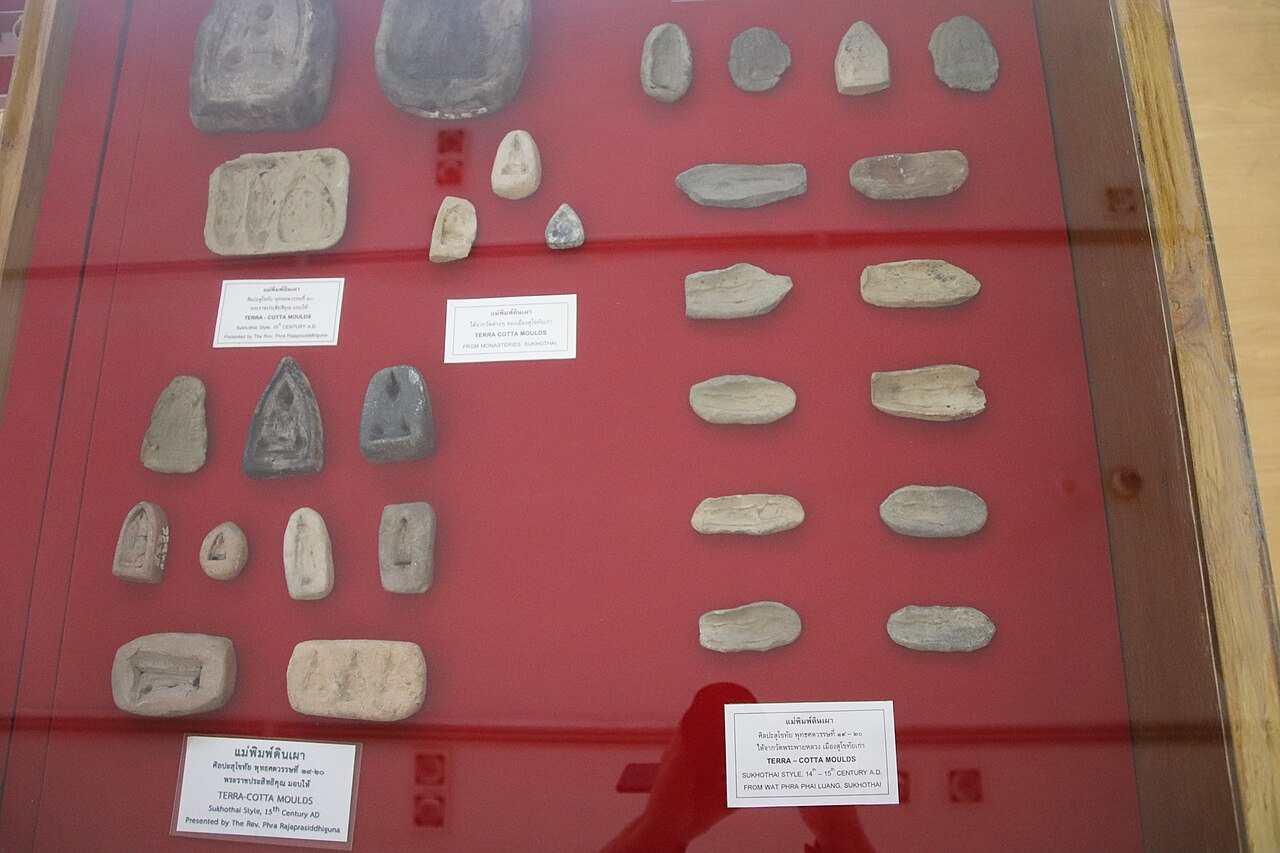
| Notes | A category, not a mould. Form follows the named kind (Phra Rod, Nang Phaya, Sum Ko, Hu Yan and hundreds more); the shared marks are surface, not shape. |
| Iconography · สัญลักษณ์ | องค์พระพิมพ์ ศิลปะตามยุค (ทวารวดี ลพบุรี สุโขทัย อู่ทอง อยุธยา) a votive Buddha in the art of its period: Dvaravati, Lopburi, Sukhothai, U Thong, Ayutthaya |
What to look at · จุดสังเกต
Type-level marks a reader can check by eye or loupe.
| คราบกรุ — คราบดิน ไคล และแร่บานบนผิว Cache crust: earth, sediment and mineral bloom on the surface, the category's shared mark | Catalogue · จากคลัง |
| เนื้อชินอ่านจากสนิม ชินเงิน ชินตะกั่ว สนิมแดง · เนื้อดินอ่านจากการหดตัว Chin bodies read by patina (silvery, lead-heavy, red-rust); clay bodies read by shrinkage. Powder is the exception, not the rule, in a cache | Catalogue · จากคลัง |
| สนิมแดงคือสภาพผิว ไม่ใช่คำตัดสินอายุ Red rust is a surface state recorded as such, never a verdict on age | Catalogue · จากคลัง |
| รูปทรงบอกชื่อกรุ ผิวบอกอายุ Shape names the kind and cache; surface testifies to time. They are two separate questions | Catalogue · จากคลัง |
| หมวดที่ผลิตเลียนแบบมาก คราบทำใหม่ได้ Heavily reproduced as a category; crust can be applied. A statement about the category, never about an object | Catalogue · จากคลัง |
How to tell it from · แยกจาก
| พระรอด · Phra Rod (Lamphun votive tablet) | พระรอดคือพระกรุที่มีชื่อ — ใบโพธิ์ล้อม ลำพูน Phra Rod is one named member of this category: bodhi-leaf ring, Lamphun. Say the name when you can; say phra kru when you cannot. |
|---|---|
| พระหูยาน · Phra Hu Yan (Lopburi long-eared tablet) | หูยานคือพระกรุเนื้อชินที่มีชื่อ ลพบุรี Hu Yan is a named chin-alloy member: ears to the shoulders, Lopburi. |
| พระคะแนน · Phra Khanaen (counting piece) | พระคะแนนคือองค์เล็กที่ใช้นับจำนวน มีทั้งในกรุและในรุ่นวัดสมัยใหม่ A phra khanaen is an undersized counting piece; it may come from a cache or from a modern temple run, so size and purpose name it, not the crust. |
| พระสมเด็จ · Phra Somdej | พระสมเด็จเป็นพระผงสมัยรัตนโกสินทร์ สร้างแจกไม่ได้บรรจุกรุเป็นหลัก · พระกรุเป็นดินหรือชินจากเจดีย์ A somdej is Rattanakosin pressed powder made to give out; a phra kru is earth or chin sealed in a stupa and recovered. Some somdej were later deposited (the trade calls those กรุ too), which is why the material is the first gate. |
The story · เรื่องเล่า Cited · อ้างอิง
การสร้างเจดีย์มีประเพณีบรรจุของมีค่าและพระพิมพ์จำนวนมากไว้ในกรุเพื่อสืบพระศาสนา เมื่อเจดีย์พังหรือถูกเปิด พระจึงออกมา — วงการเรียกกรุแตก พระเบญจภาคีสี่ในห้าเป็นพระกรุ
Thai Wikipedia records the custom of sealing valuables and large numbers of votive tablets in a stupa's chamber so that the religion would outlast the building. When the structure fails or is opened the tablets come out, which the trade calls a cache breaking (กรุแตก). Four of the Benjaphakhi five are cache-finds; the term พระเครื่อง itself, per the same article, only arrives in the reign of Rama IV and folds these older พระพิมพ์ into it.
Keeping · การเลี้ยงดู Catalogue · จากคลัง
ไม่มีผู้อยู่ ไม่ต้องเลี้ยง บูชาได้โดยไม่ต้องรู้ประวัติ
Nobody home, nothing owed. Safe to adopt with unknown history; its provenance question is age and authenticity, never spiritual safety.
Pictures · ภาพ
Sources · แหล่งที่มา
- wichaa-vault _meta/vocab/classes.md — class axis (resident / upkeep / provenance_sensitivity) (vault; own)
- wichaa-vault _meta/vocab/materials.md — เนื้อ material axis (vault; own)
- wichaa-vault _meta/vocab/functions.md — function axis (vault; own)
- พระเครื่อง — วิกิพีเดีย (wikipedia; CC BY-SA 4.0)
- Thai Buddha amulet — Wikipedia (wikipedia; CC BY-SA 4.0)
- General knowledge of the Thai / Lanna amulet tradition (model training + secondary literature), hedged — never a specific date, title or scholar unless separately cited (book; n/a)
- manuscript-wiki/data/holding_key.json — the 36-kind identification key behind wichaa.net/holding (vault; own)
- เจดีย์ — วิกิพีเดีย (wikipedia; CC BY-SA 4.0)
Default provenance: Catalogue · จากคลัง axes → Catalogue · จากคลัง axes.functions → Inference · อนุมาน origin.era_en → Cited · อ้างอิง text.story_en → Cited · อ้างอิง text.keeping_en → Catalogue · จากคลัง media → Catalogue · จากคลัง · confidence high · updated 2026-09-02