ปลัดขิก palat khik · Palad khik (phallic waist charm)
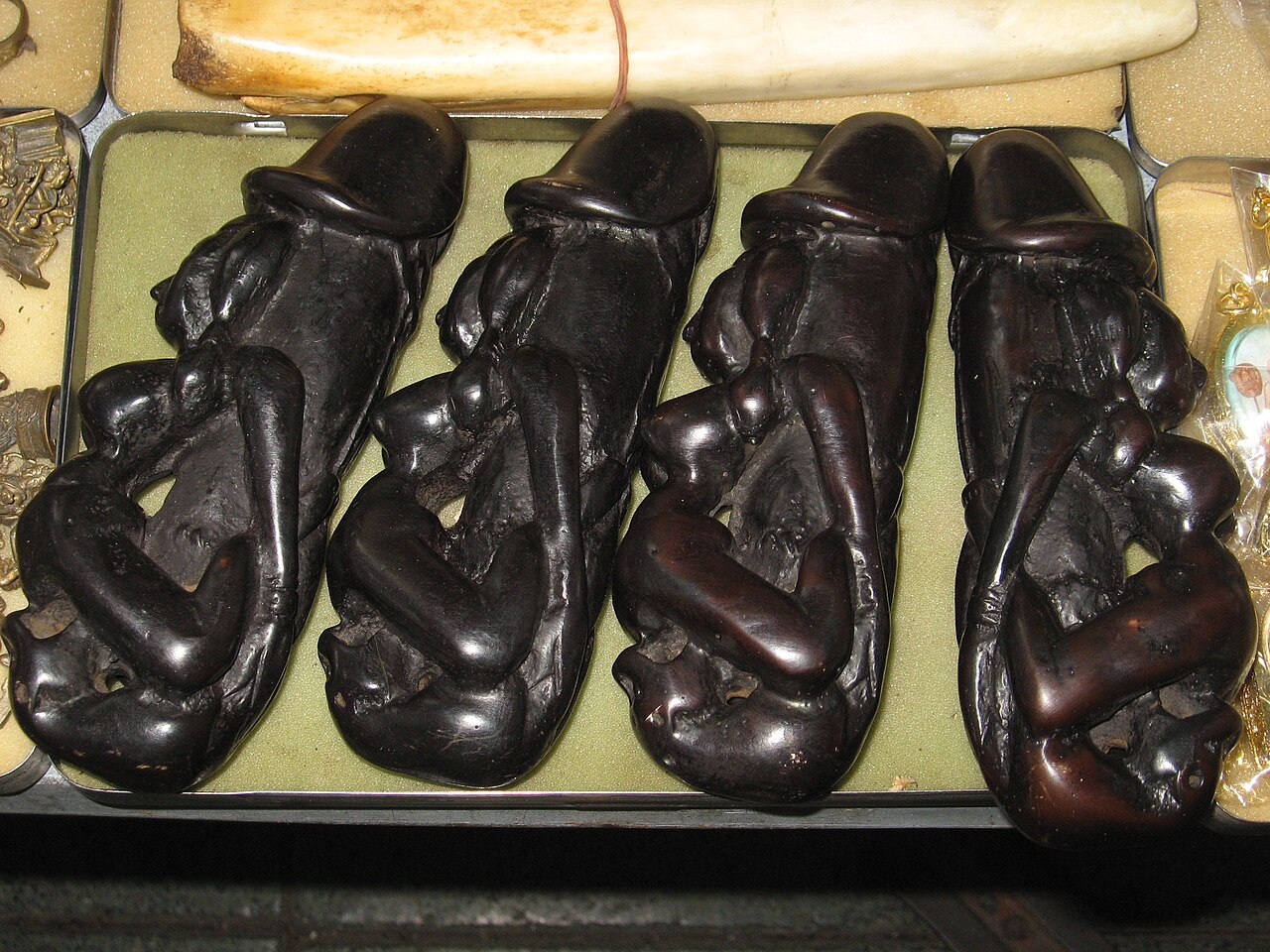
📷 ถือชิ้นนี้อยู่? ถ่ายรูปเทียบ · Holding one? Photograph it to compare 🔍 ค้นหา · search Palad khik (phallic wais
แท่งแกะหรือหล่อรูปอวัยวะเพศชาย พกติดตัวเพื่อโชค การค้า และคุ้มกัน เป็นเครื่องรางที่เก่าแก่ที่สุดแบบหนึ่งของแถบนี้ และเป็นแบบที่ประเพณีเองจัดไว้สองทาง — ของขลังไม่มีผู้อยู่ทางหนึ่ง ที่สถิตของผู้คุ้มครองอีกทางหนึ่ง
A carved or cast phallic rod, pocket-carried for luck, trade and protection — one of the oldest charm forms in the region, and one the tradition itself files two different ways.
also: ปลัด · ขุนเพ็ด · อ้ายขิก · palad khik · palat khik · palad kik · pra lad khik · honourable surrogate · phallic amulet · Thai lingam charm
At a glance · โดยย่อ
| Class · หมวด | ยังไม่ชี้ขาด left to a knower Catalogue · จากคลัง |
|---|---|
| Resident · ผู้อยู่ | left to a knower |
| Upkeep · การเลี้ยง | left to a knower |
| Provenance sensitivity | — |
| Form · รูปแบบ | other · อื่น ๆ |
| Material · เนื้อ | กะลา coconut shell · เขาสัตว์ horn · เนื้อโลหะ metal (unspecified) |
| Function · คุณ | มหาเสน่ห์ powerful attraction, allure · กันผี warding spirits · โชคลาภ luck and windfall · ค้าขาย trade, selling |
| Region · ถิ่น | ทั่วประเทศไทย Thailand, not regionally specific |
| Maker · ผู้สร้าง | ตำราสร้างเครื่องรางของขลัง (ไม่ระบุผู้แต่ง) · วิกิพีเดียไทยเอ่ยชื่อหลวงพ่อเหลือ วัดสาวชะโงก เป็นผู้สร้างที่มีชื่อ Anonymous amulet-making treatise, manuscript 6983, gives three recipes; Thai Wikipedia names Luang Pho Luea of Wat Sao Cha-ngok as a noted maker |
| Era · ยุค | ตำราไม่ระบุปี วิกิพีเดียทั้งสองภาษาโยงไปถึงศิวลึงค์และอิทธิพลอินเดียราวสองพันปี — เป็นคำอ้าง ไม่ใช่วันที่ Undated treatise. Both Wikipedias trace the form to the Shiva linga and Indian influence roughly two thousand years back; that is a lineage claim, not a date Cited · อ้างอิง |
| Typical size | 12 × 45 × 12 mm Inference · อนุมาน |
| Retail market (Lazada TH titles) | 285 listings · ฿59–310 typical · median ฿100 Catalogue · จากคลัง |
Form · รูปทรง Catalogue · จากคลัง
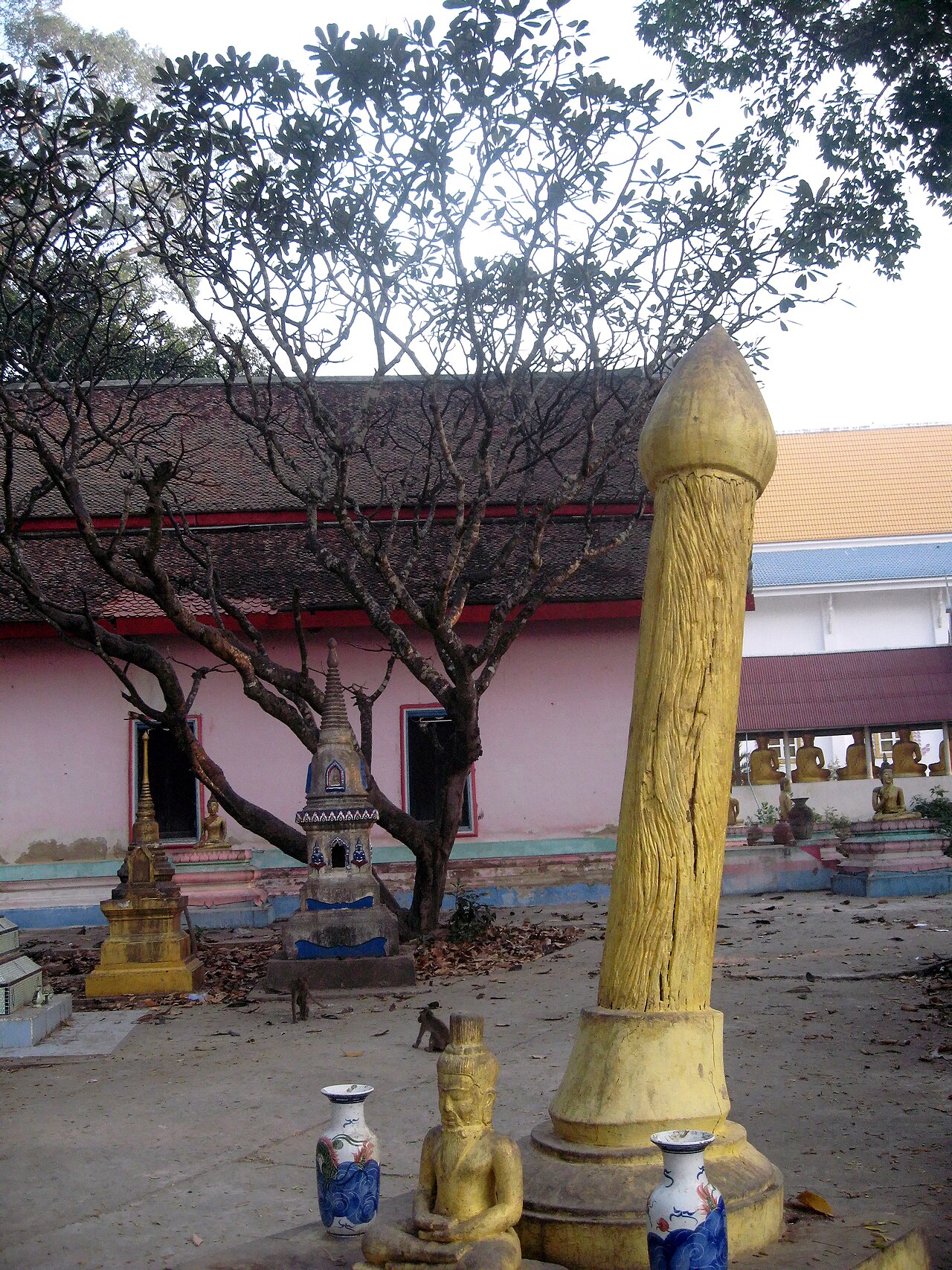
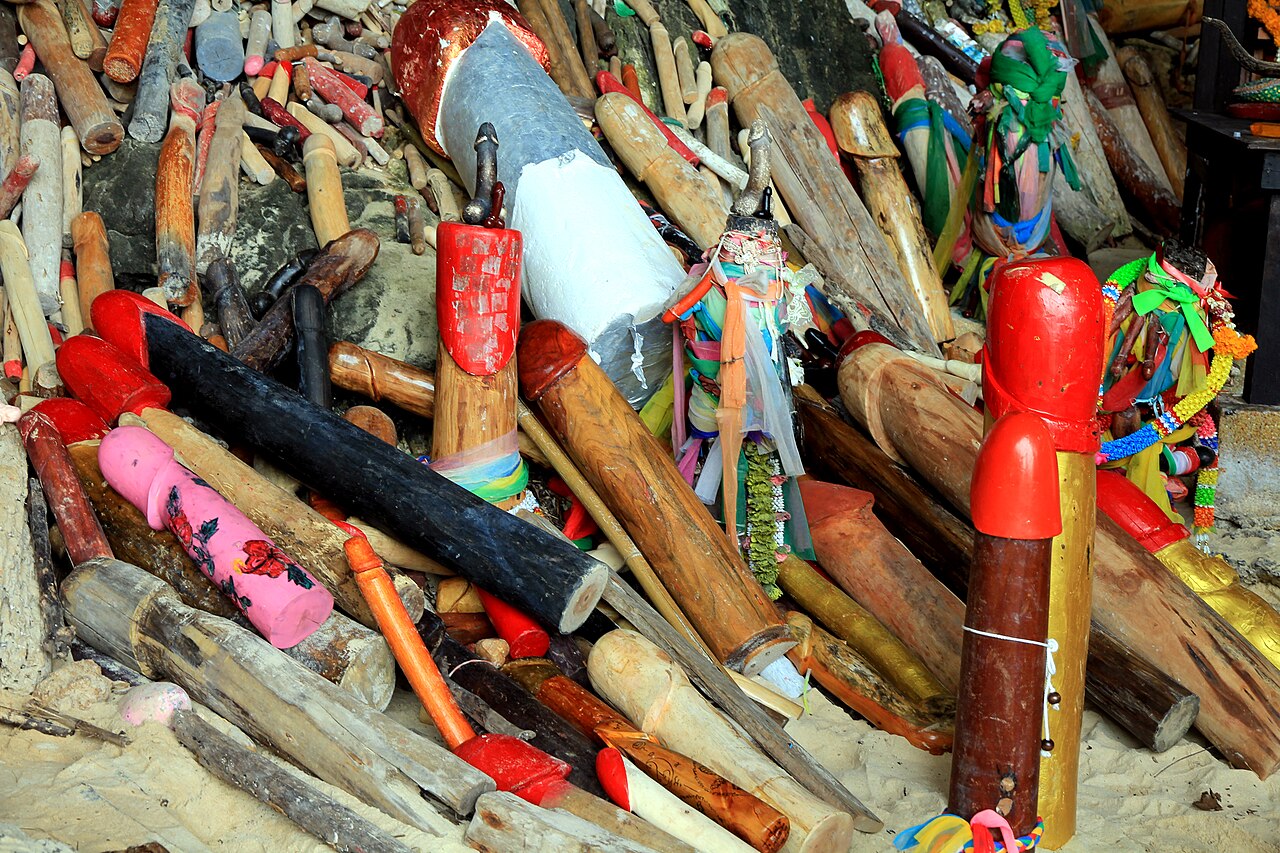
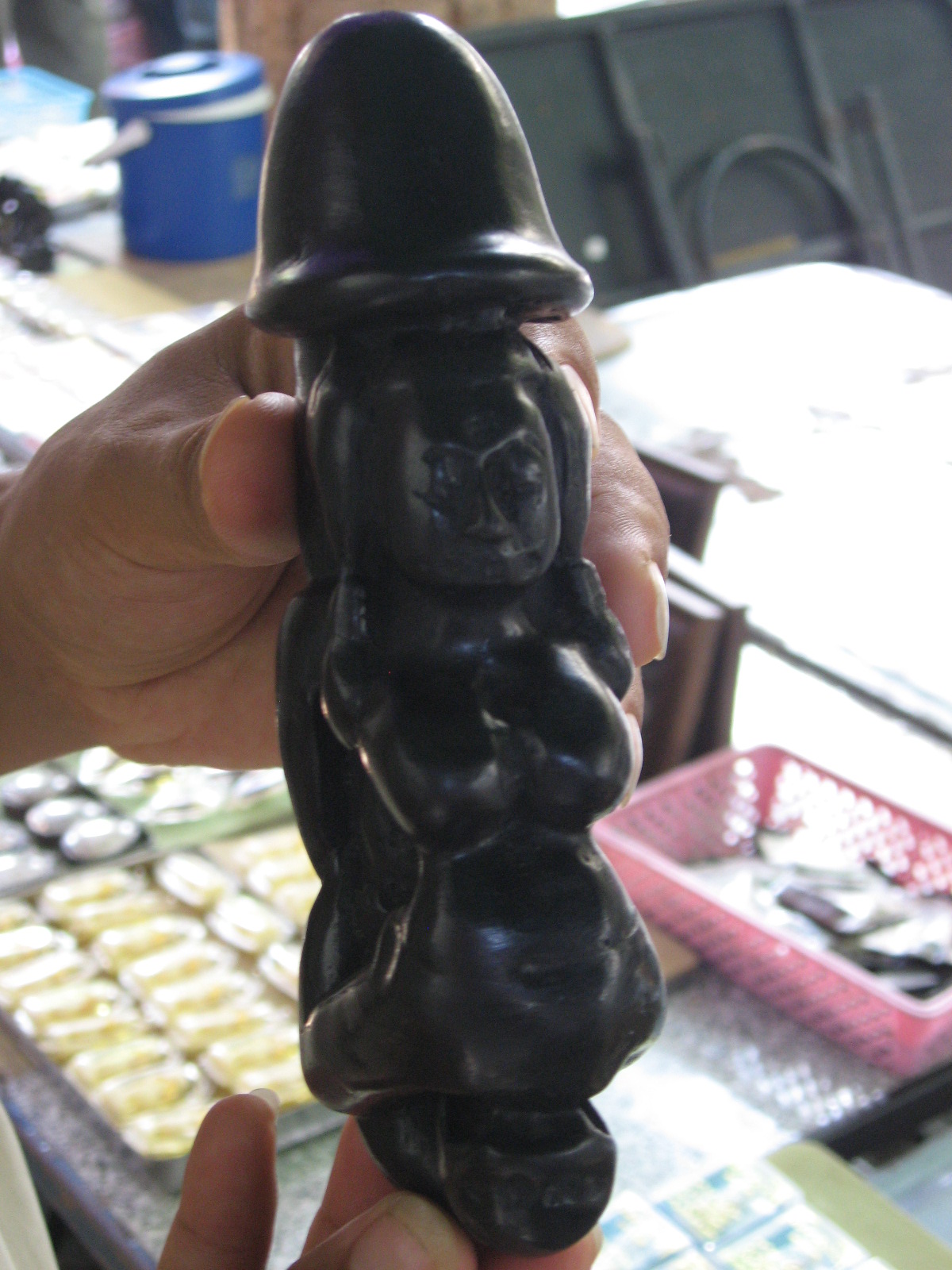
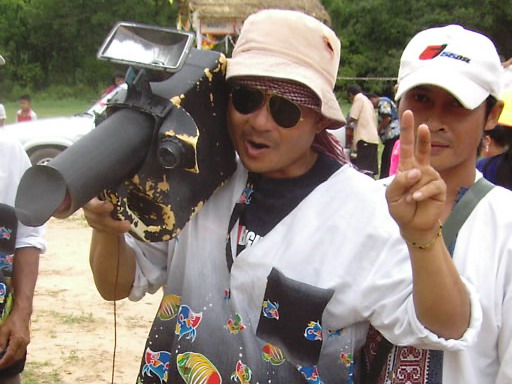
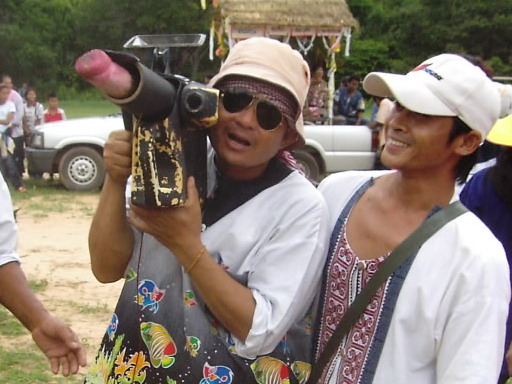
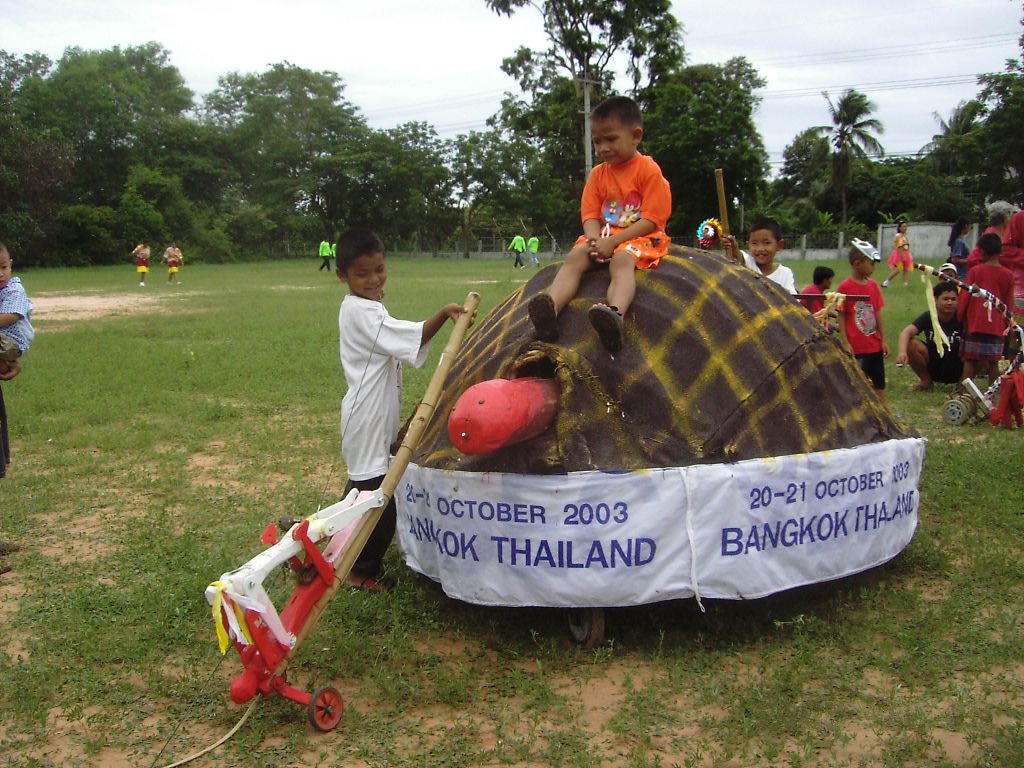
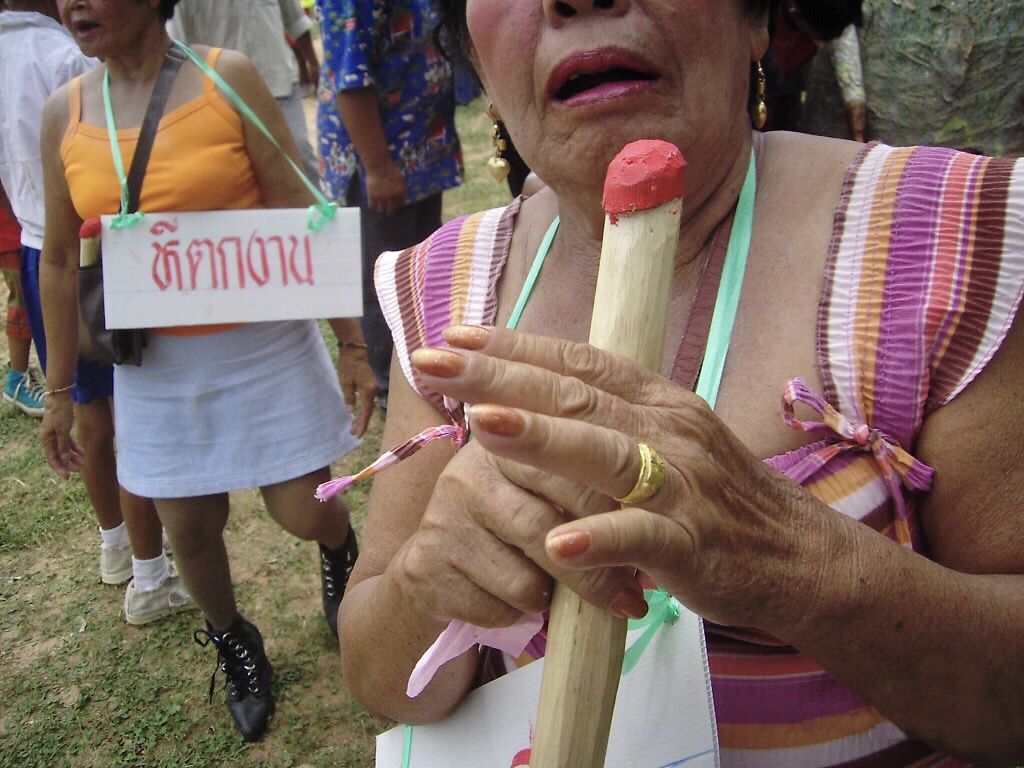
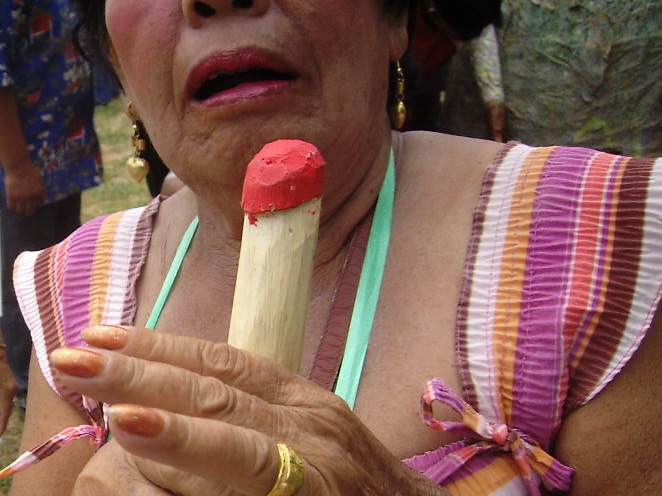
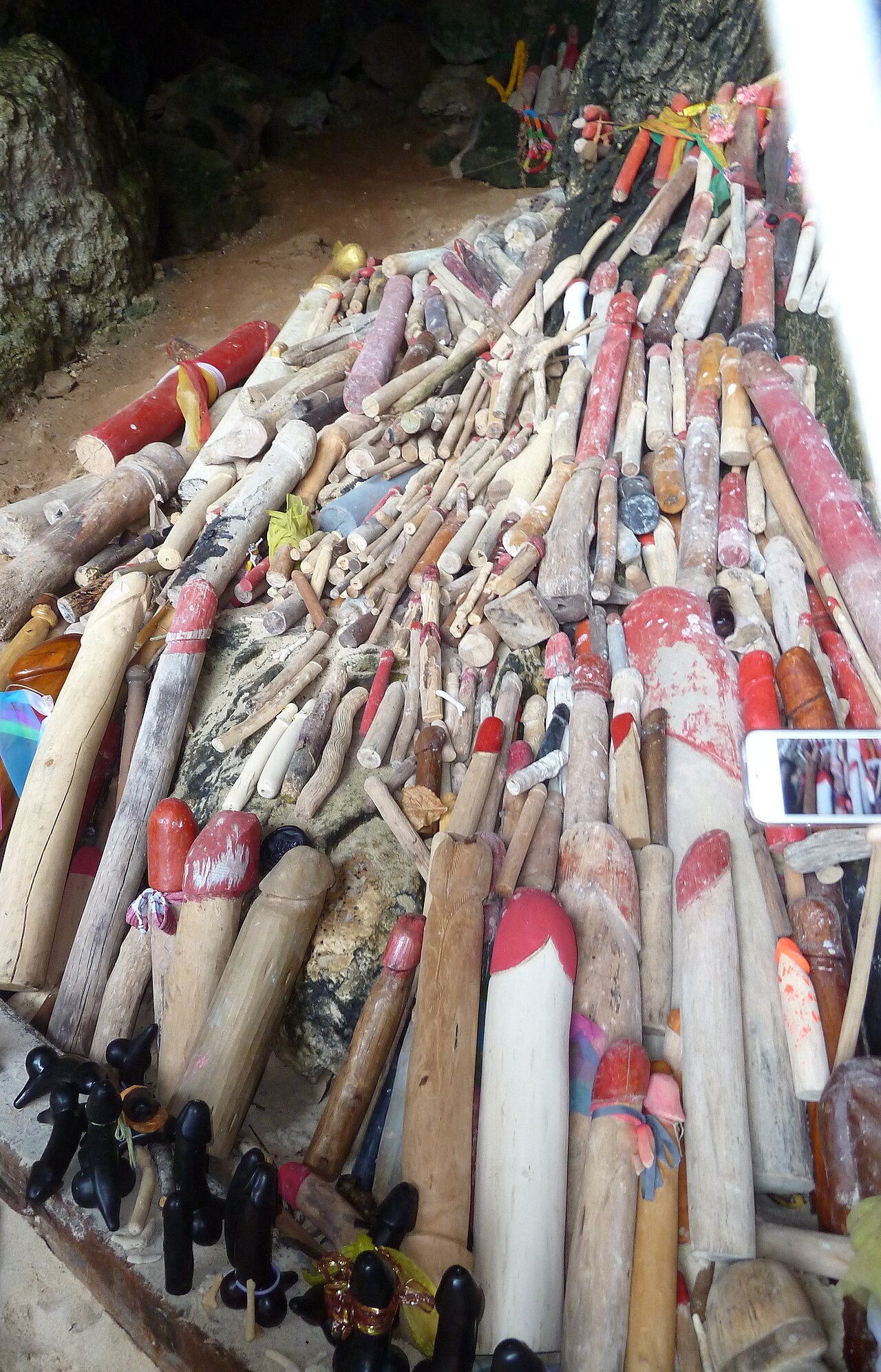
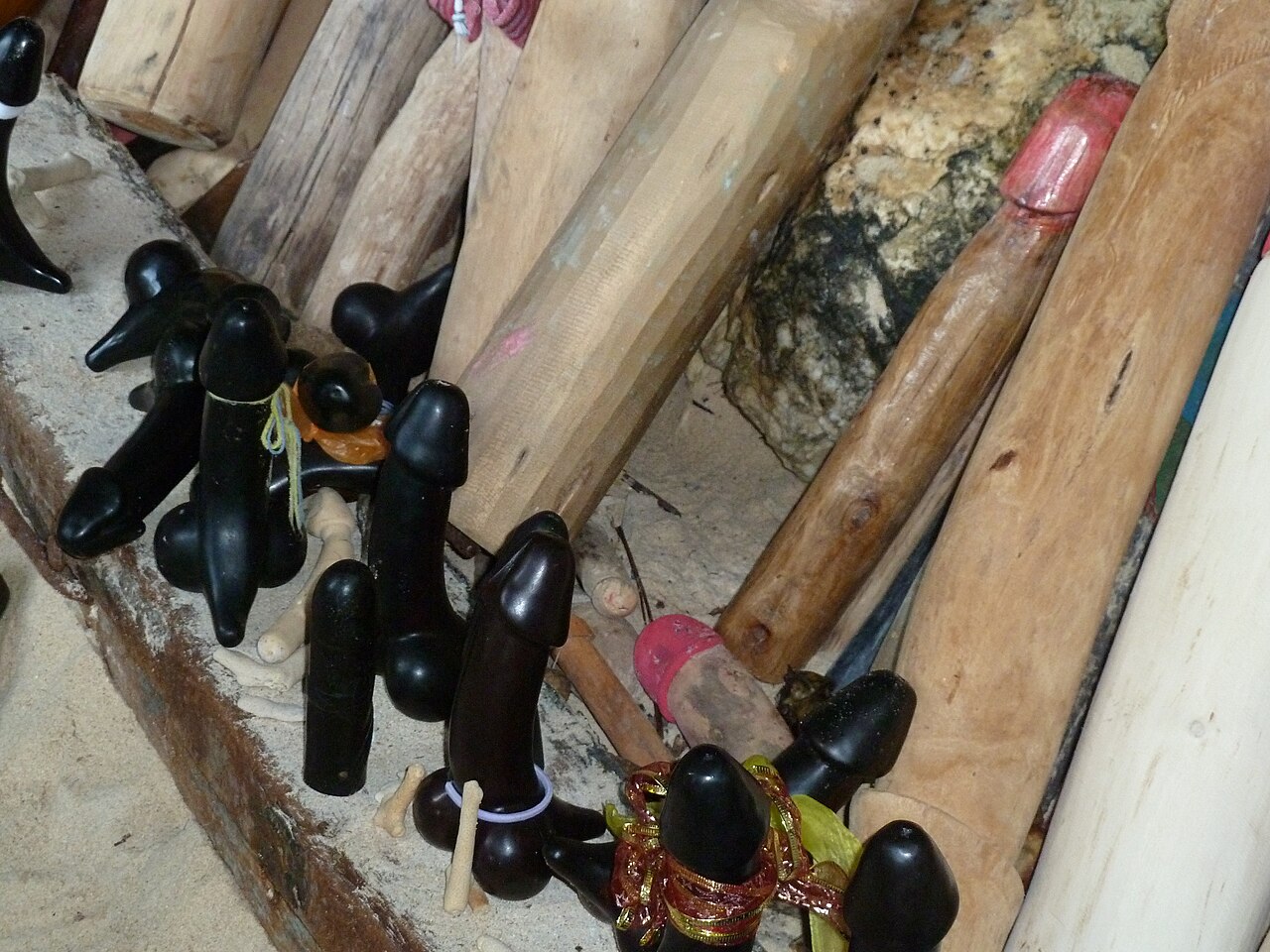
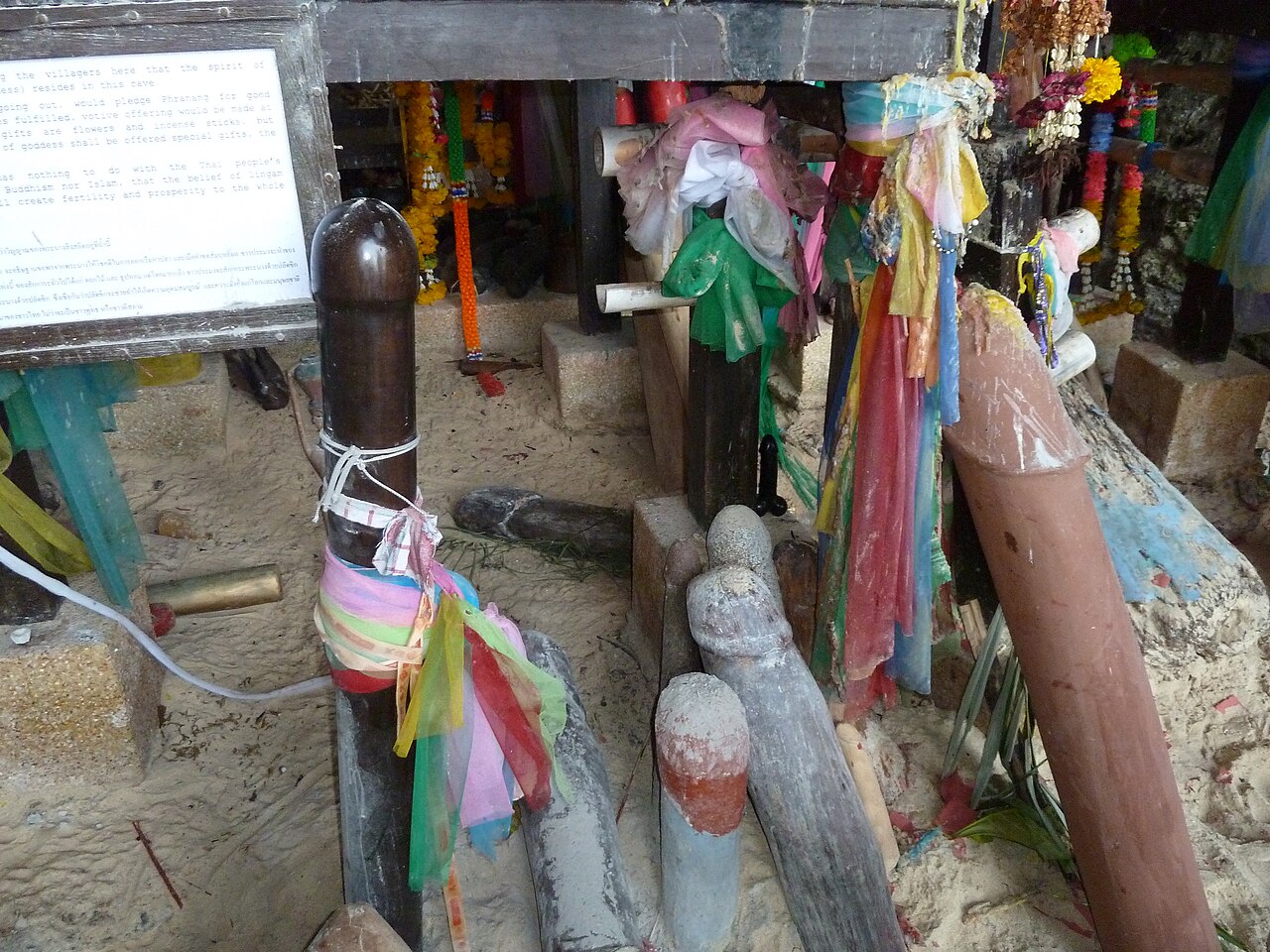
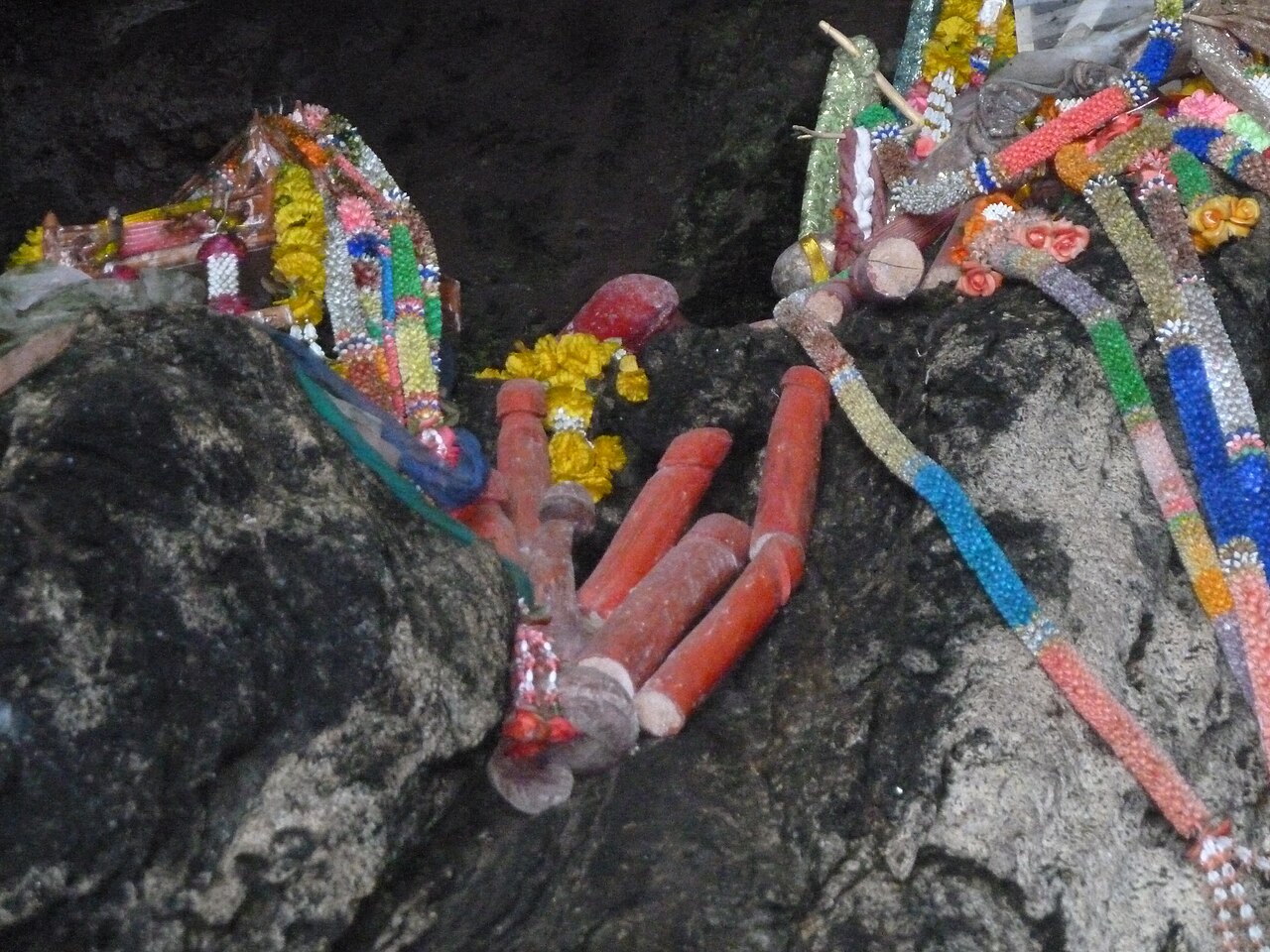
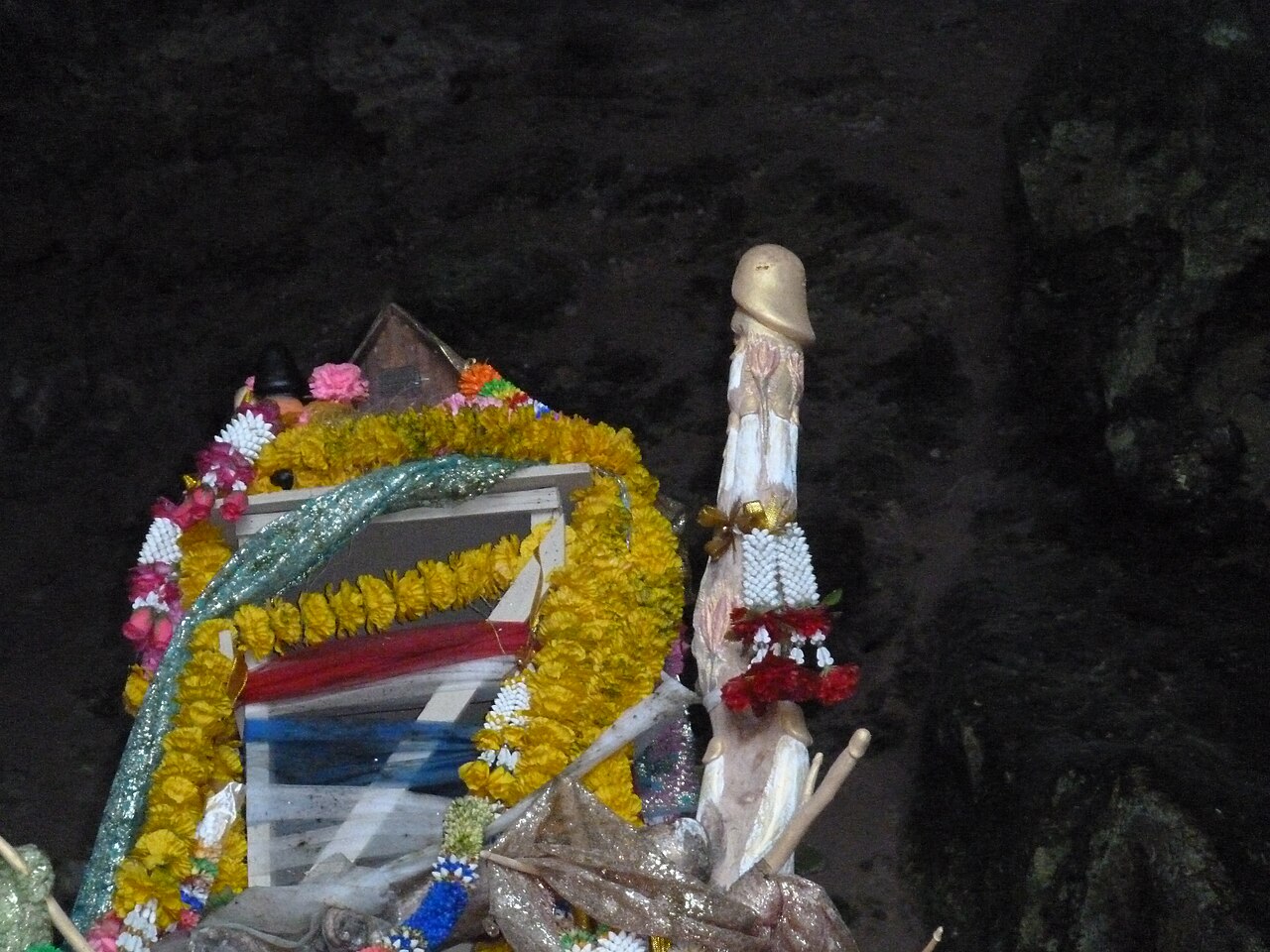
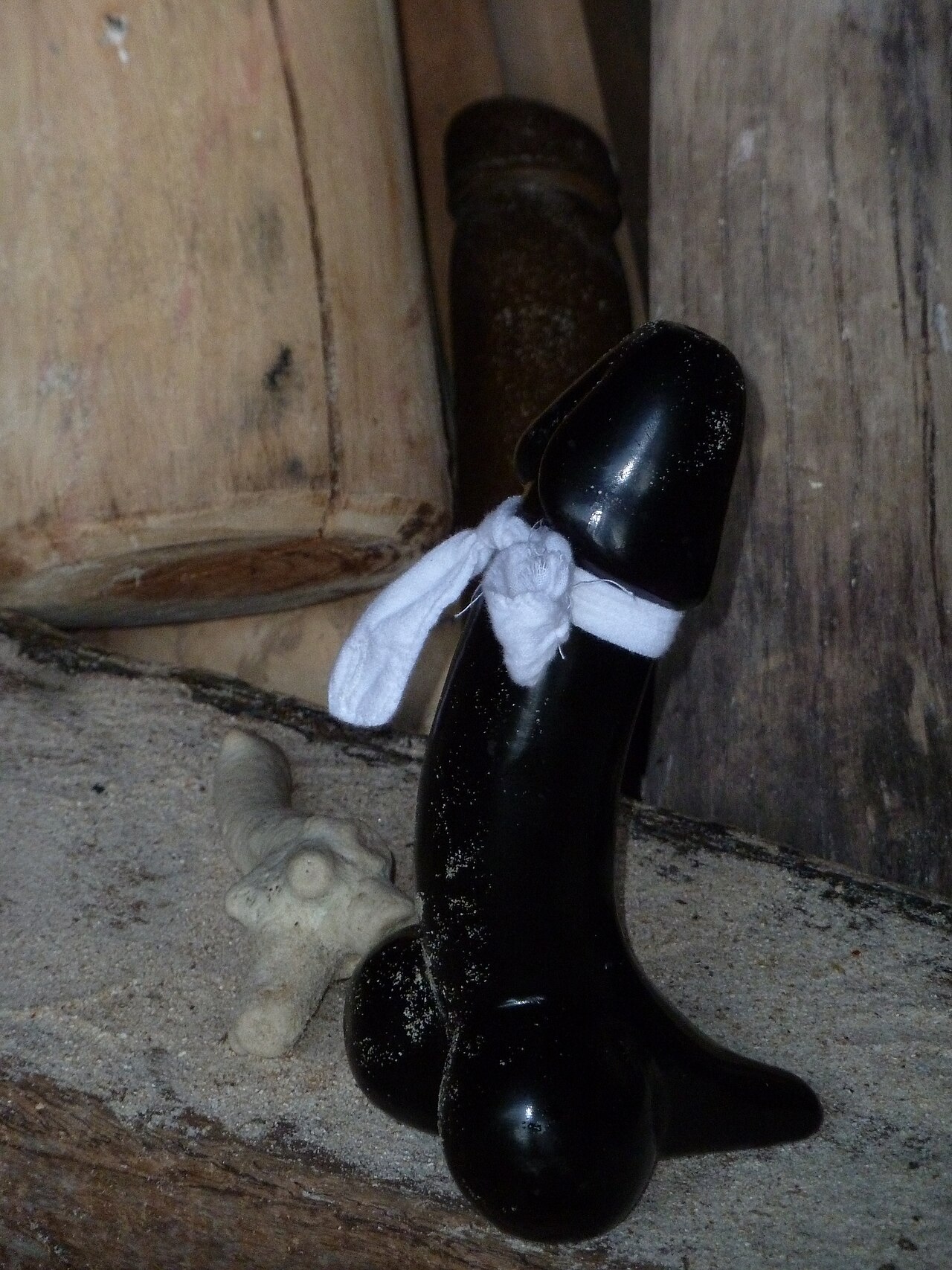
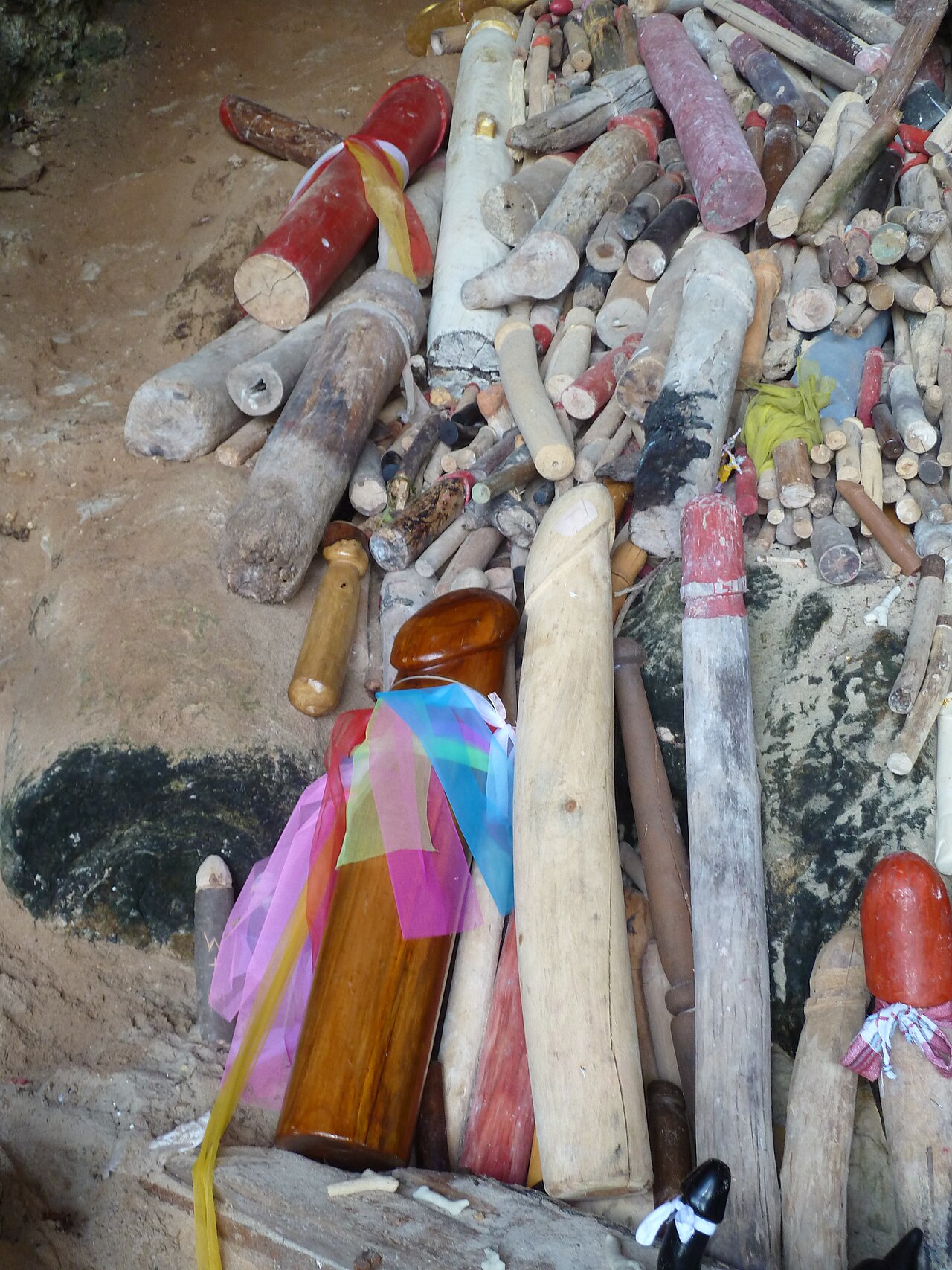
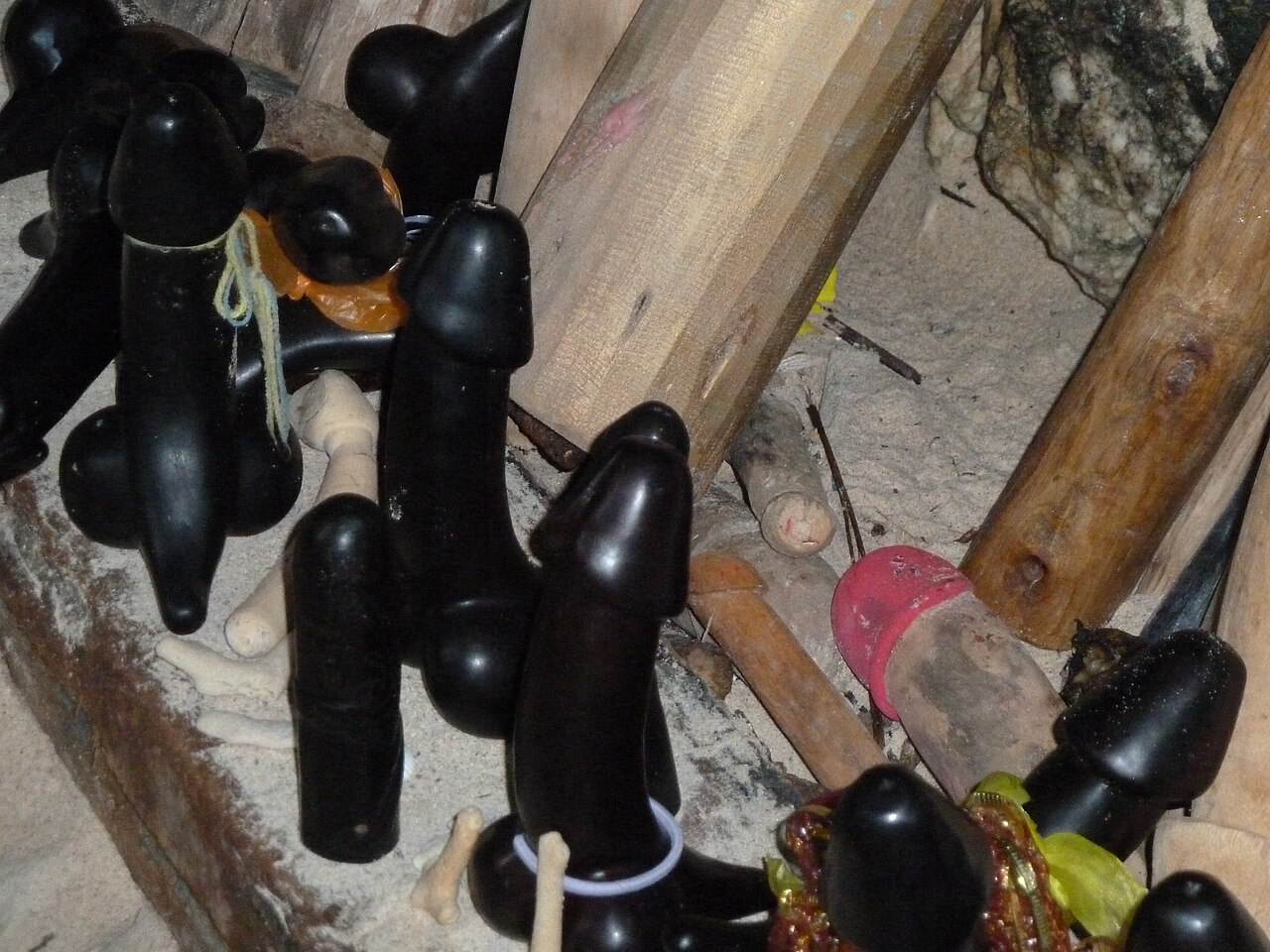
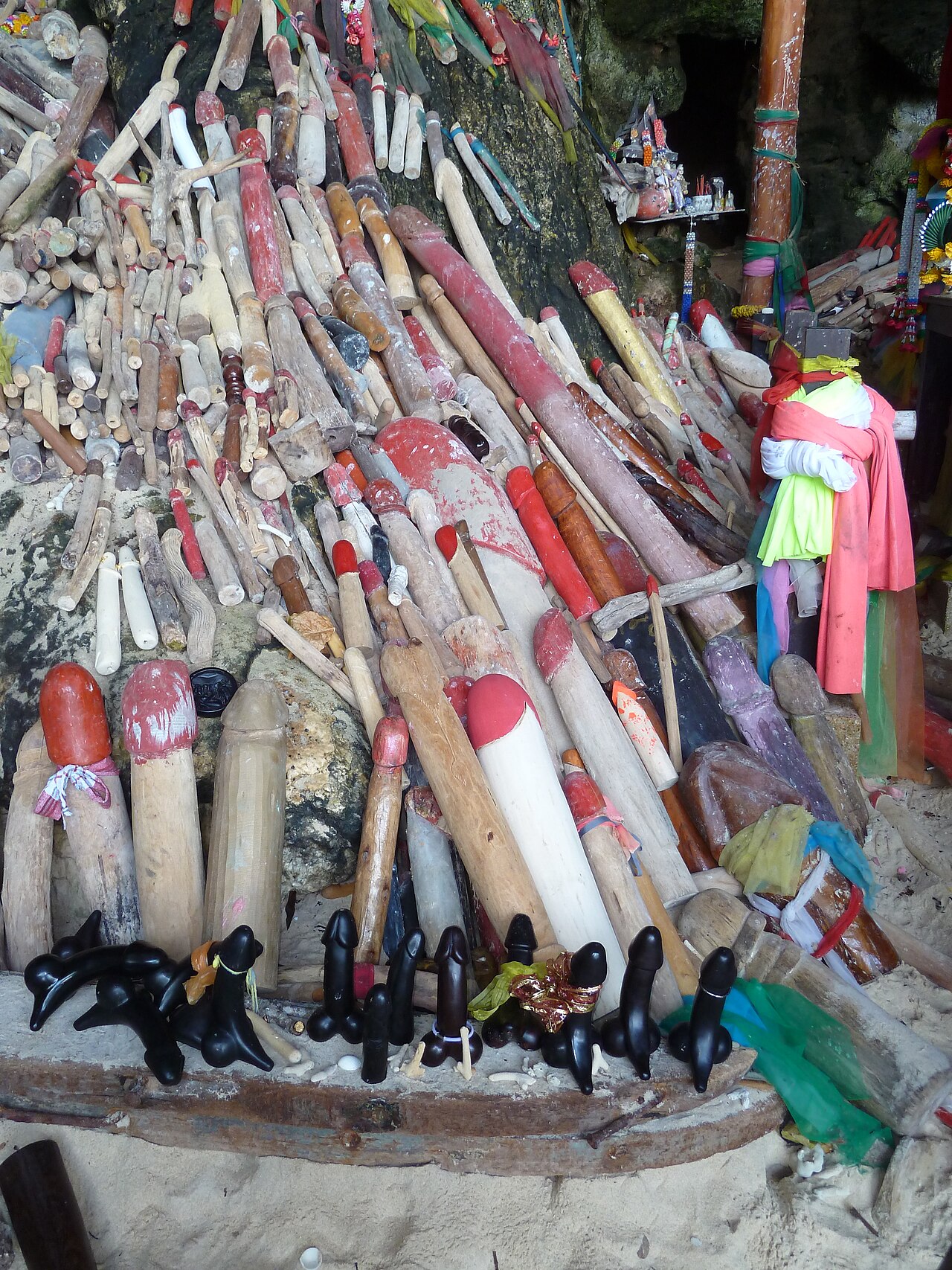
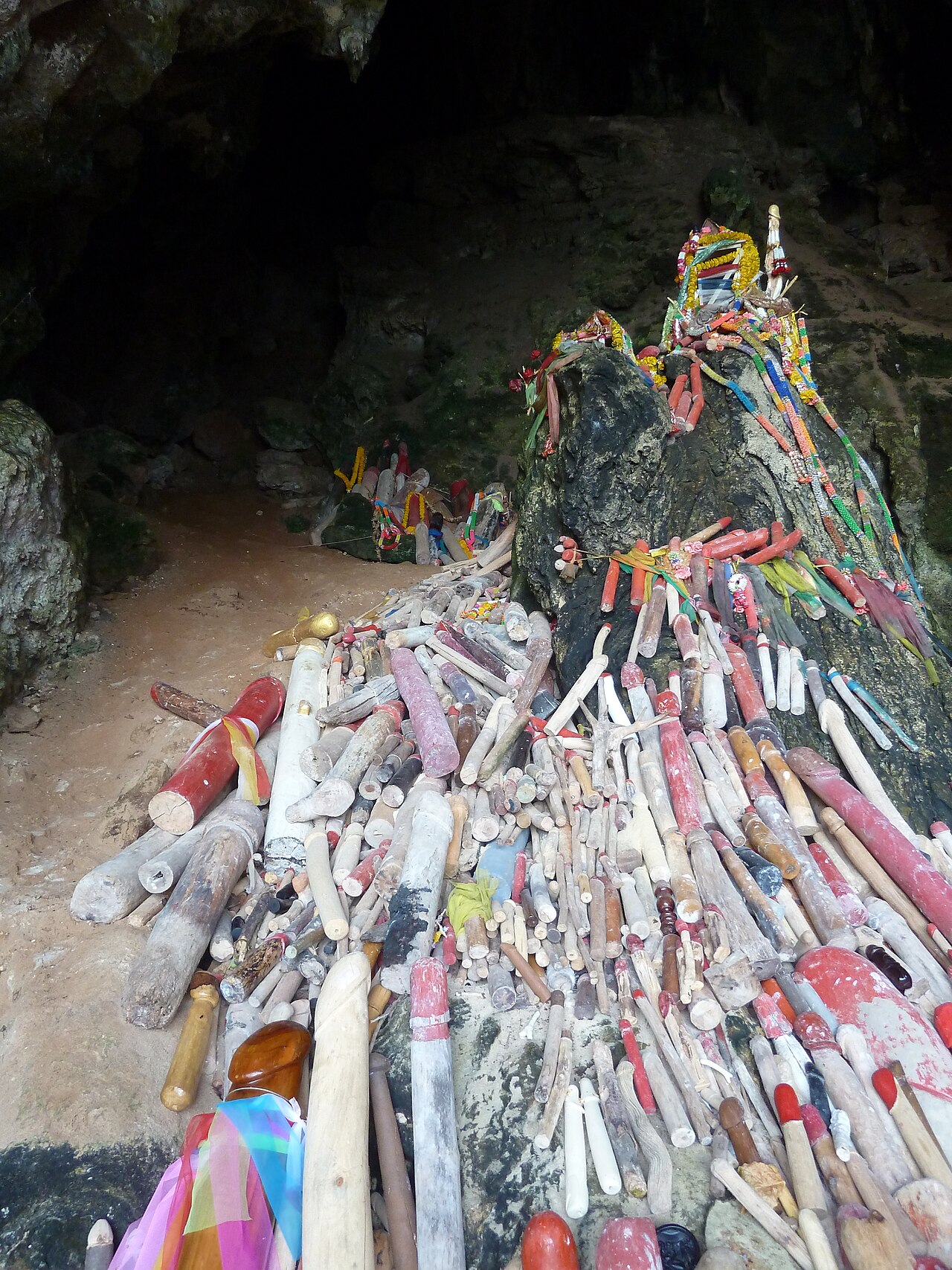
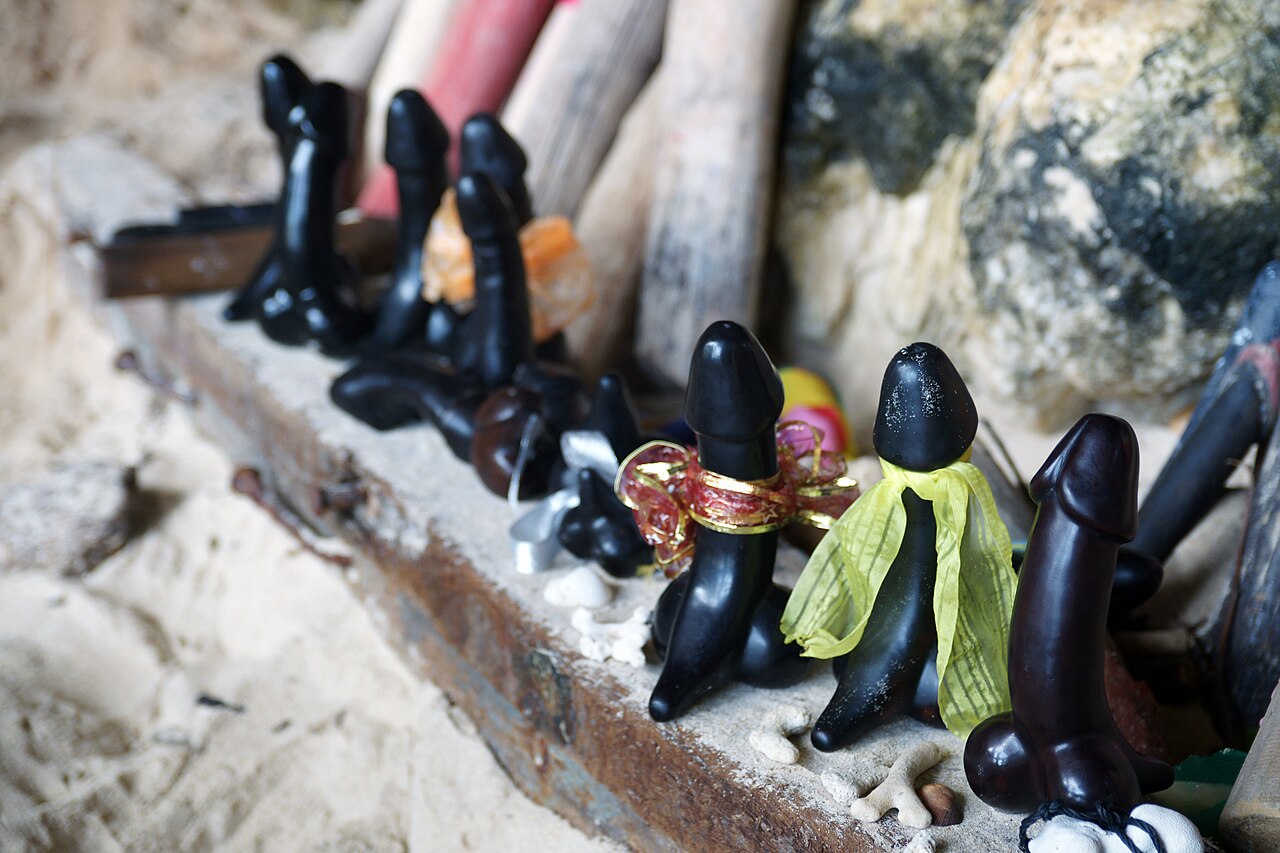
| Shape · ทรง | แท่งไม้หรือโลหะแกะเป็นรูปอวัยวะเพศชาย มีรูหรือห่วงสำหรับร้อยเชือก บางชิ้นมีรูปลิง เสือ หรือนางกวักขี่อยู่บนแท่ง A rod carved or cast to a phallic form, pierced or looped for a cord; some carry a small figure riding the shaft (monkey, tiger, Nang Kwak). Sizes run from a pocket piece to shrine-sized poles. |
|---|---|
| Worn · การพก | ผูกเชือกคาดเอวไว้ใต้เสื้อผ้า ตำราให้ผูกเอวได้ทั้งเด็กและผู้ใหญ่ เด็กชายบางทีห้อยคอ Tied at the waist on a cord under the clothes; the treatise says waist-tied for children and adults alike. Boys sometimes wear it at the neck. |
| Obverse · ด้านหน้า | หน้าประธานลงตัว อุ ลำตัวสองข้างลง กันหะ เนหะ ข้างละสองอักขระ (ตำรา) ในภาพประกอบมี ร ธุ ด้านบน ๙ ที่หัว เฆ ฆ ด้านล่าง The treatise inscribes the syllable อุ on the presiding face and กันหะ / เนหะ along the two flanks, two Khom letters a side; its diagram shows ร ธุ above, ๙ at the head, เฆ ฆ below |
| Notes | Size is a typical pocket piece, marked inference; English Wikipedia gives the range as several inches to several feet. The vault leaves the class unassigned on purpose (see keeping). |
| Iconography · สัญลักษณ์ | รูปอวัยวะเพศชาย the phallic rod itself อักขระขอม อุ · กันหะ · เนหะ Khom letters อุ, กันหะ, เนหะ on face and flanks (treatise) ลิง เสือ หรือนางกวักขี่บนแท่ง a monkey, tiger or Nang Kwak riding the shaft (Thai Wikipedia; a variant, not the base form) |
What to look at · จุดสังเกต
Type-level marks a reader can check by eye or loupe.
| เป็นแท่งรูปเพศชาย ไม่ใช่องค์พระ ไม่ใช่เหรียญ รูปทรงคือคำตอบแรก It is a phallic rod, never a Buddha or a medallion; the form alone names the kind | Catalogue · จากคลัง |
| ตำราให้แกะจากแก่นคูณ (แบบ ๑–๒) หรือแก่นมะขาม แก่นเมื่อย กาฝาก (แบบ ๓) และลงอักขระ อุ กันหะ เนหะ — ส่องหาอักขระบนหน้าและลำตัว The treatise carves it from golden-shower heartwood (methods 1–2) or tamarind, muai heartwood or mistletoe (method 3) and inscribes อุ, กันหะ, เนหะ; look for the letters on face and flanks | Catalogue · จากคลัง |
| วัสดุอ่านได้ด้วยตา ไม้ กะลา เขา หรือโลหะหล่อ ไม้เก่าด้วยรอยสึก ไม่ใช่สนิม · กะลาในตลาดจำนวนมากคือปลัดขิกแกะ Material reads by eye: wood, coconut shell, horn or cast metal. Wood ages by wear, not patina. Many coconut-shell hits in the corpus are carved palad khik | Catalogue · จากคลัง |
| รูปลิง เสือ หรือนางกวักขี่บนแท่งเป็นแบบแยก ไม่ใช่แบบพื้นฐาน A riding figure — monkey, tiger, Nang Kwak — marks a variant; the base form is the plain rod | Cited · อ้างอิง |
| ชิ้นที่ทำจากวัสดุสัตว์คุ้มครองอยู่ใต้กฎหมายไทยและ CITES — ข้อสังเกตทางกฎหมาย ไม่ใช่คำตัดสิน Pieces made from protected-animal material fall under Thai law and CITES; a legal notice, not a judgement | Catalogue · จากคลัง |
How to tell it from · แยกจาก
| ตะกรุด · Takrut (inscribed scroll-tube) | ตะกรุดเป็นหลอดม้วนโลหะที่คาดเอวเหมือนกัน · ปลัดขิกเป็นแท่งแกะรูปเพศชาย Both hang at the waist. A takrut is a rolled metal tube with the yantra inside (class yantra_wattu); a palad khik is a solid carved or cast rod whose form is the charm and whose class the vault declines to fix |
|---|---|
| กะลาตาเดียว · One-eyed coconut shell | กะลาตาเดียวเป็นของธรรมชาติที่ไม่ได้แกะเป็นรูป · ปลัดขิกกะลาถูกแกะเป็นแท่ง A one-eyed coconut shell is a natural talisman kept for what it is; a coconut-shell palad khik has been carved into the rod. Same material, different kind |
| นางกวัก · Nang Kwak (the beckoning lady) | นางกวักเป็นรูปหญิงกวักมือ บูชาเป็นเทพ · ถ้าอยู่บนแท่งปลัดขิก แท่งคือของ นางกวักคือลาย Nang Kwak is a beckoning woman venerated as a deva; when she rides a palad khik the rod is the object and she is its decoration |
The story · เรื่องเล่า Catalogue · จากคลัง
ตำราให้สามวิธี แบบที่ ๑ แกะแก่นคูณ ลง อุ ที่หน้าประธาน กันหะ เนหะ ที่ลำตัว เสกด้วย “กันหะ เนหะ” กันคุณไสย ถูกพิษหรือเจ็บไข้ให้ฝนตูดปลัดขิกกับเหล้ากิน ใช้เป็นเสน่ห์ได้ ห้ามไว้กับตัวเวลาร่วมกับหญิง และเมื่อหญิงมีระดู แบบที่ ๒ แกะและลงอักขระอย่างเดียวกัน แต่เสกด้วยมนต์พื้นบ้านคำหยาบยาว ผูกเอวได้ทั้งเด็กและผู้ใหญ่ ผูกเด็กกันตาลซาง ภูตผี และแม่ซื้อ แบบที่ ๓ ใช้แก่นคูณ แก่นมะขาม แก่นเมื่อย หรือกาฝากก็ได้ เสก “กันหะ เนหะ” ๑๐๘ คาบ กับมนต์สั้นอีกบทหนึ่ง กันคุณไสย พรายน้ำ เขี้ยวงา และเป็นเสน่ห์แก่หญิง
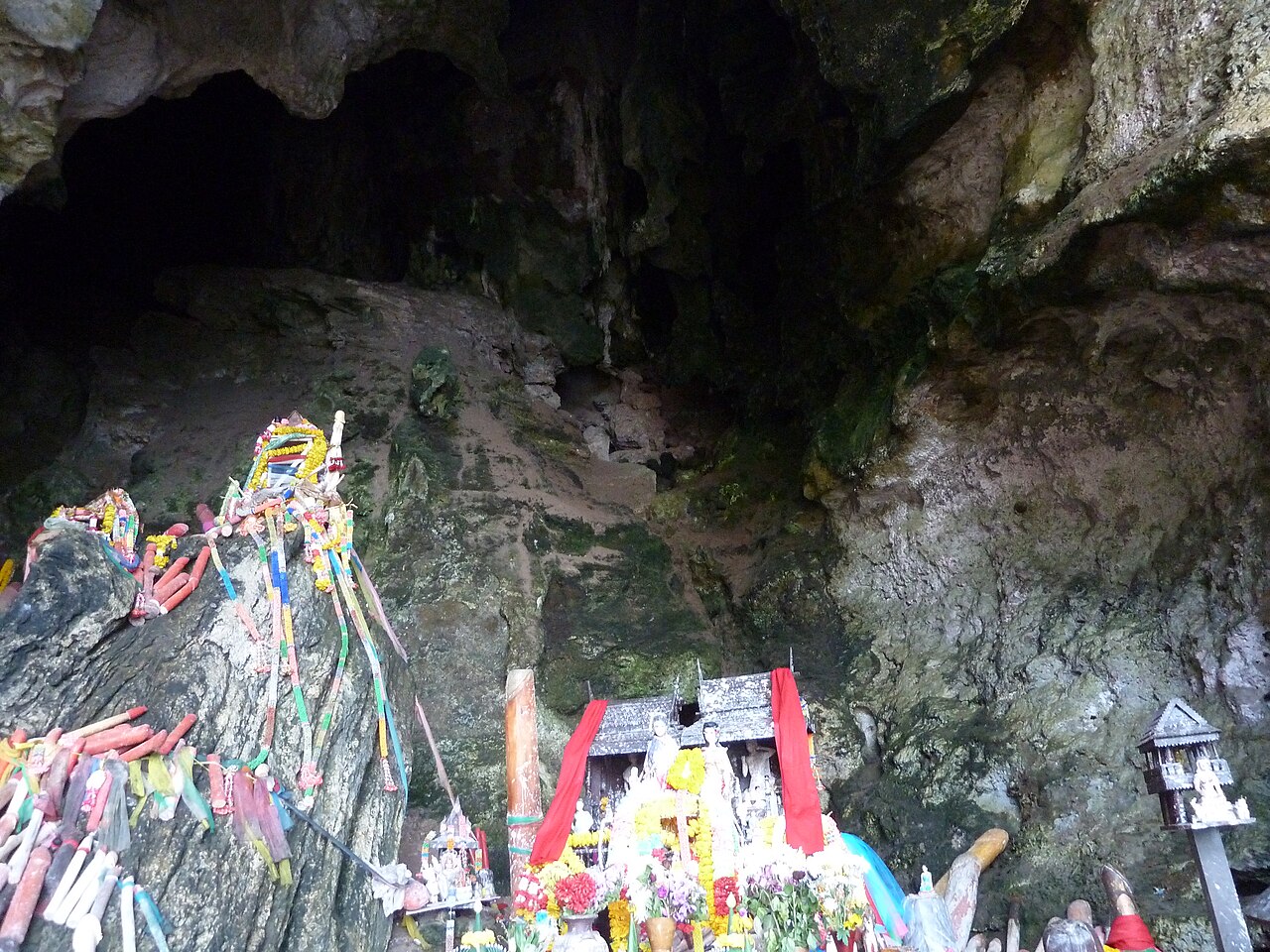
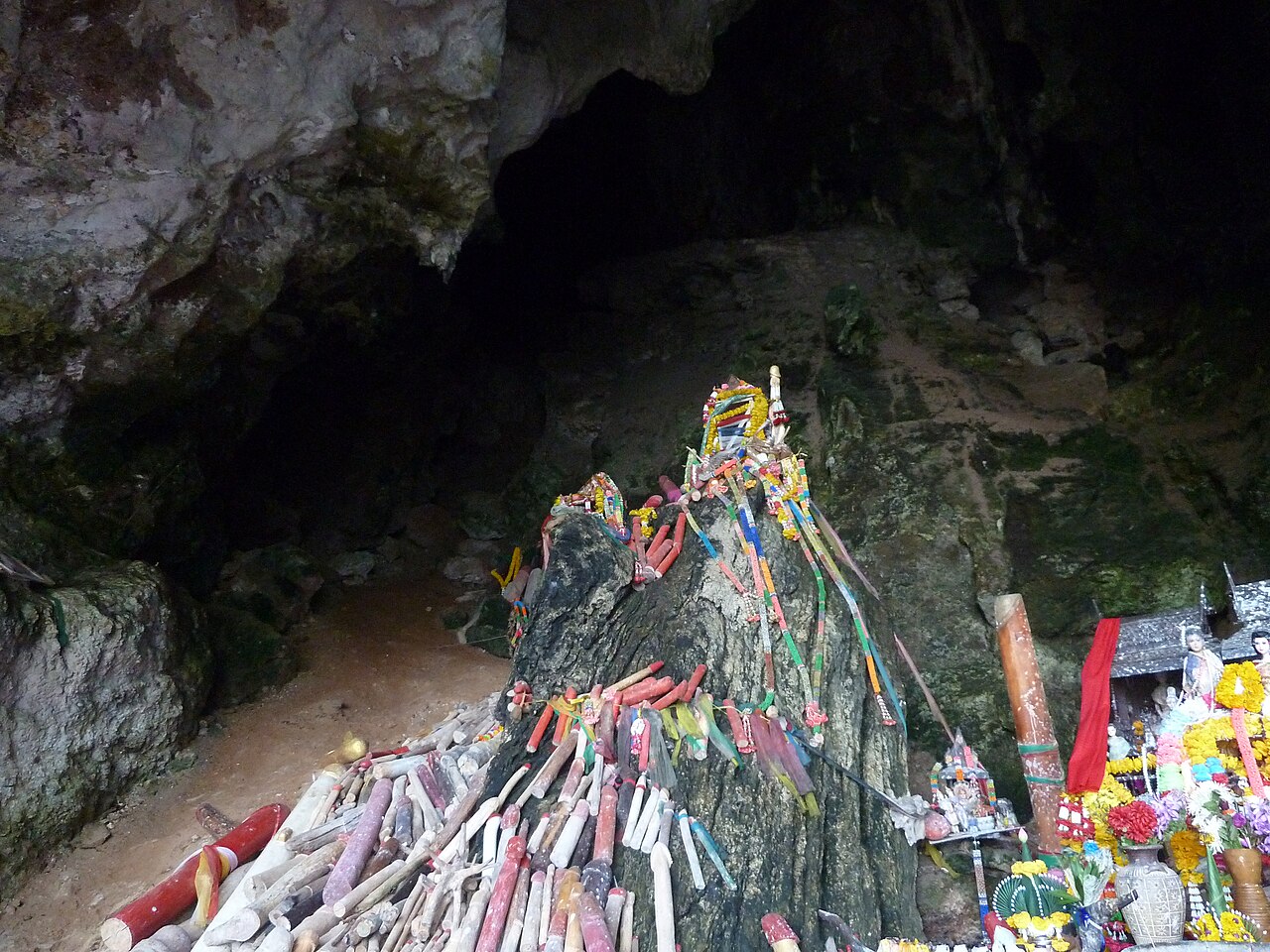
The treatise gives three recipes. Method 1 carves golden-shower heartwood, inscribes อุ on the face and กันหะ เนหะ on the flanks, and consecrates with the two-word katha; it wards sorcery, the tip ground in liquor is drunk for poison or fever, it serves as a love charm, and it must not be on the body during intercourse or near a menstruating woman. Method 2 carves and inscribes the same way but consecrates with a long, bawdy vernacular incantation, and is tied at the waist of children against wasting fevers, spirits and the mae sue birth-spirit, or of adults for everything. Method 3 admits tamarind, muai heartwood or mistletoe as well, chants กันหะ เนหะ 108 times with a second short coarse formula, and is worn against sorcery, water-spirits and fangs and tusks, and for attraction. English Wikipedia adds the modern picture: men wear several on a waist cord, shopkeepers set large ones out, and the form is read back to the Shiva linga.
Keeping · การเลี้ยงดู Catalogue · จากคลัง
หมวดว่าง — คำศัพท์ในคลังไม่จัดหมวดให้ ผู้ถือบางคนถือเป็นของขลังไม่มีผู้อยู่ ไม่ต้องเลี้ยง บางคนถือเป็นที่สถิตของผู้คุ้มครอง ต้องมีผู้รู้ชี้ ข้อห้ามที่ตำราให้เองคือ ห้ามไว้กับตัวเวลาร่วมเพศและเมื่อหญิงมีระดู
Class deliberately unassigned: the vault vocabulary leaves ปลัดขิก unplaced because some keepers hold it as an impersonal charm with nobody home and nothing owed, and others as a guardian-spirit vessel. It needs a knower, and this record says so rather than deciding. The treatise's own rules are the only ones on paper: not on the body during intercourse, not near a menstruating woman.
Pictures · ภาพ
Sources · แหล่งที่มา
- manuscript-wiki/data/holding_key.json — the 36-kind identification key behind wichaa.net/holding (vault; own)
- wichaa-vault _meta/vocab/classes.md — class axis (resident / upkeep / provenance_sensitivity) (vault; own)
- wichaa-vault _meta/vocab/materials.md — เนื้อ material axis (vault; own)
- wichaa-vault _meta/vocab/functions.md — function axis (vault; own)
- ตำราสร้างเครื่องรางของขลัง — amulet-making treatise, manuscript 6983, bilingual transcription (170 pp, 160 formulas) (treatise; contributed volume; katha not proofed by a scholar)
- Palad khik — Wikipedia (wikipedia; CC BY-SA 4.0)
- ปลัดขิก — วิกิพีเดีย (wikipedia; CC BY-SA 4.0)
- amulet-reference.html — 22 specimen cards, 7 formula cards, 112-term market taxonomy (2026-07) (vault; own)
- Wikimedia Commons — Category:Amulets of Thailand (and subcategories) (commons; per file; only CC0 / PD / CC BY / CC BY-SA files are harvested)
- General knowledge of the Thai / Lanna amulet tradition (model training + secondary literature), hedged — never a specific date, title or scholar unless separately cited (book; n/a)
Default provenance: Catalogue · จากคลัง axes → Catalogue · จากคลัง names.aliases → Tradition · ตามประเพณี text.what_en → Catalogue · จากคลัง text.keeping_en → Catalogue · จากคลัง form.size_mm → Inference · อนุมาน form.wearable_en → Cited · อ้างอิง iconography → Cited · อ้างอิง origin → Cited · อ้างอิง market → Catalogue · จากคลัง media → Catalogue · จากคลัง · confidence high · updated 2026-09-02