กุมารทอง kuman thong · Kuman Thong (raised child-spirit)
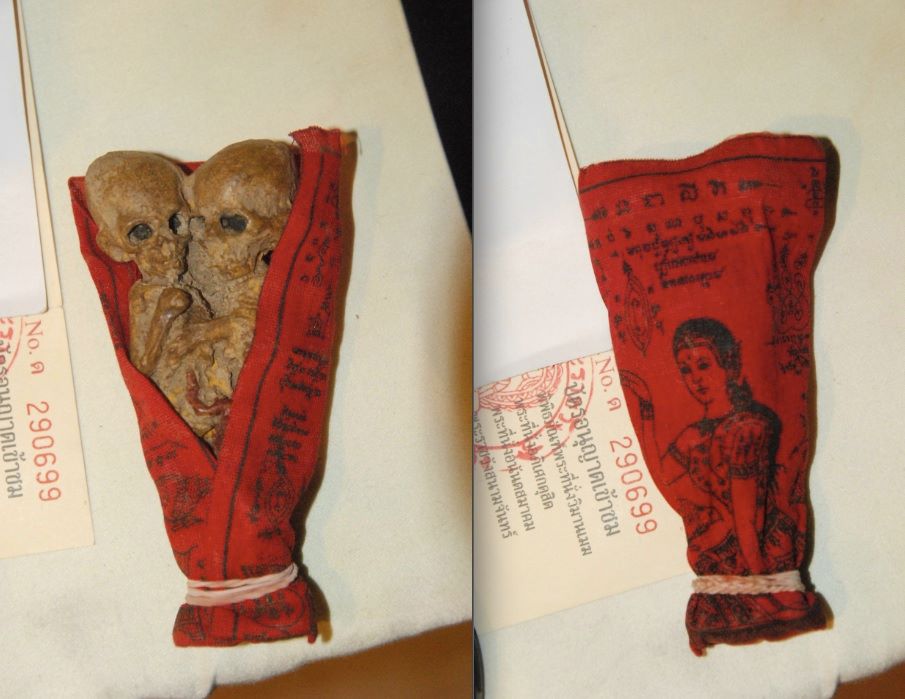
📷 ถือชิ้นนี้อยู่? ถ่ายรูปเทียบ · Holding one? Photograph it to compare 🔍 ค้นหา · search Kuman Thong (raised chil
รูปเด็กที่ไม่ใช่รูปแทน แต่เป็นบ้าน — วิญญาณเด็กถูกผูกไว้แล้วเลี้ยงอย่างลูก ให้น้ำแดง ข้าว ของเล่น ตั้งชื่อ พูดด้วย ขอให้ช่วย ตำรา ๖๙๘๓ บันทึกวิธีสร้างแบบโบราณไว้เต็ม ในฐานะบันทึกประเพณี
A child figure that is not a depiction but a home: a bound child-spirit, raised as family — fed sweet red drink and rice, named, spoken to, asked for help. The corpus holds the historical making in full, framed as ethnography, at manuscript 6983.
also: กุมาร · พรายกุมาร · ลูกเทพ · kuman tong · guman thong · kumanthong · phrai kuman · golden boy · golden child · spirit-child effigy
At a glance · โดยย่อ
| Class · หมวด | กุมารทอง raised child-spirit Catalogue · จากคลัง |
|---|---|
| Resident · ผู้อยู่ | raised_spirit |
| Upkeep · การเลี้ยง | feeding |
| Provenance sensitivity | high |
| Form · รูปแบบ | figure · รูปหล่อ/รูปปั้น |
| Material · เนื้อ | เนื้อดิน clay body · เนื้อโลหะ metal (unspecified) |
| Function · คุณ | ค้าขาย trade, selling · คุ้มครอง general protection, watching over · โชคลาภ luck and windfall · มหาเสน่ห์ powerful attraction, allure |
| Region · ถิ่น | ภาคกลาง Central Thailand (Bangkok, Ayutthaya basin) · ทั่วประเทศไทย Thailand, not regionally specific |
| Maker · ผู้สร้าง | ตำราสร้างเครื่องรางของขลัง (ไม่ระบุผู้แต่ง) Anonymous amulet-making treatise, manuscript 6983; modern figures are temple issues by many makers |
| Era · ยุค | ปรากฏในเสภาขุนช้างขุนแผน (พิมพ์ครั้งแรก พ.ศ. ๒๔๑๕ ฉบับมาตรฐาน ๒๔๖๐–๒๔๖๑) Already in the Khun Chang Khun Phaen epic (first printed 1872; Prince Damrong's standard edition 1917–18); the practice is older than the print Tradition · ตามประเพณี |
| Retail market (Lazada TH titles) | 434 listings · ฿59–490 typical · median ฿159 Catalogue · จากคลัง |
Form · รูปทรง Tradition · ตามประเพณี
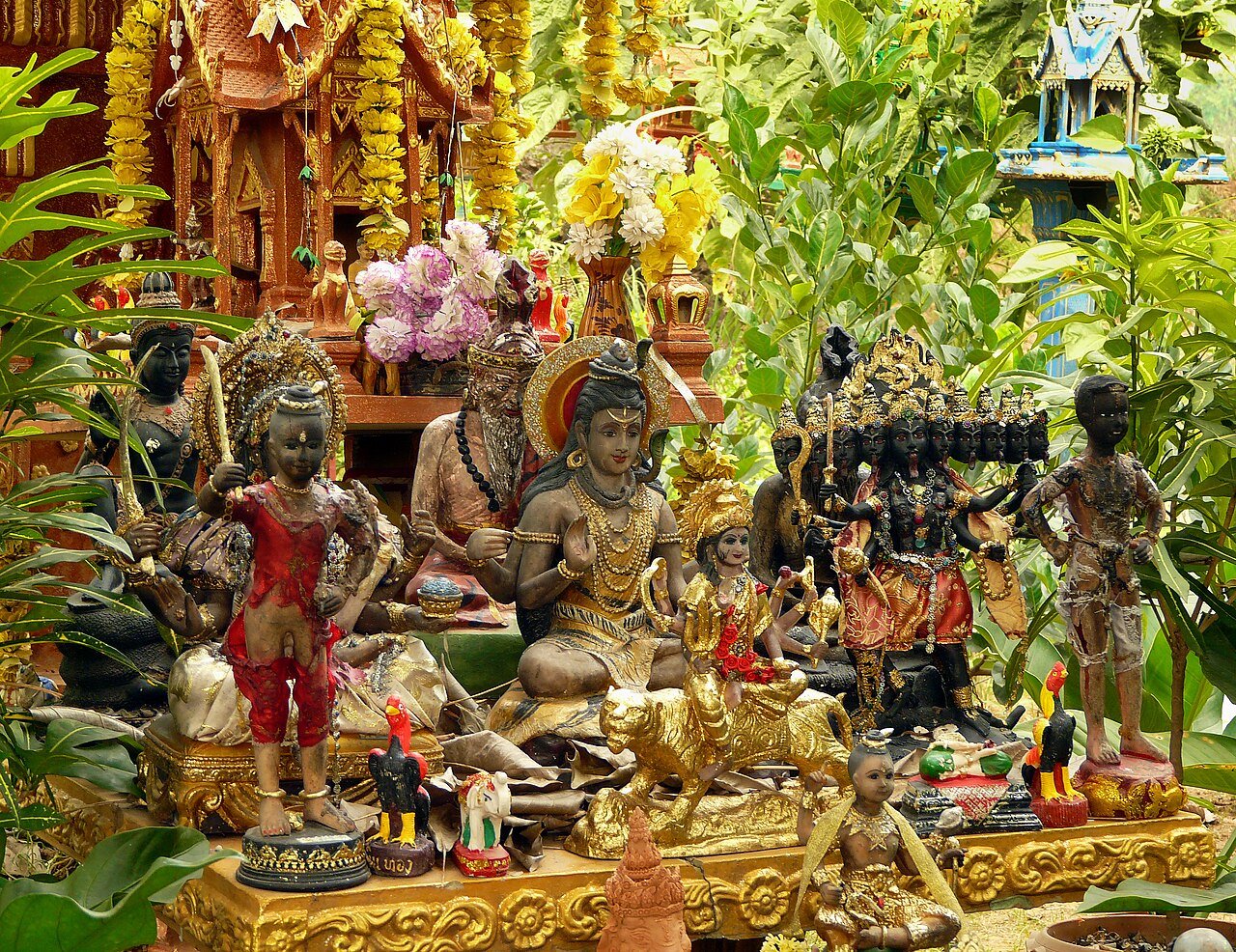
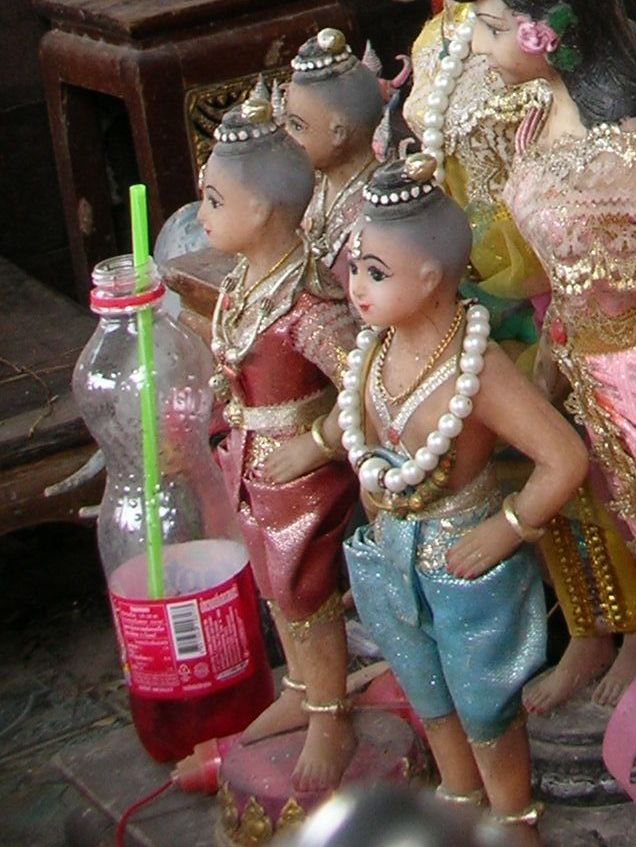
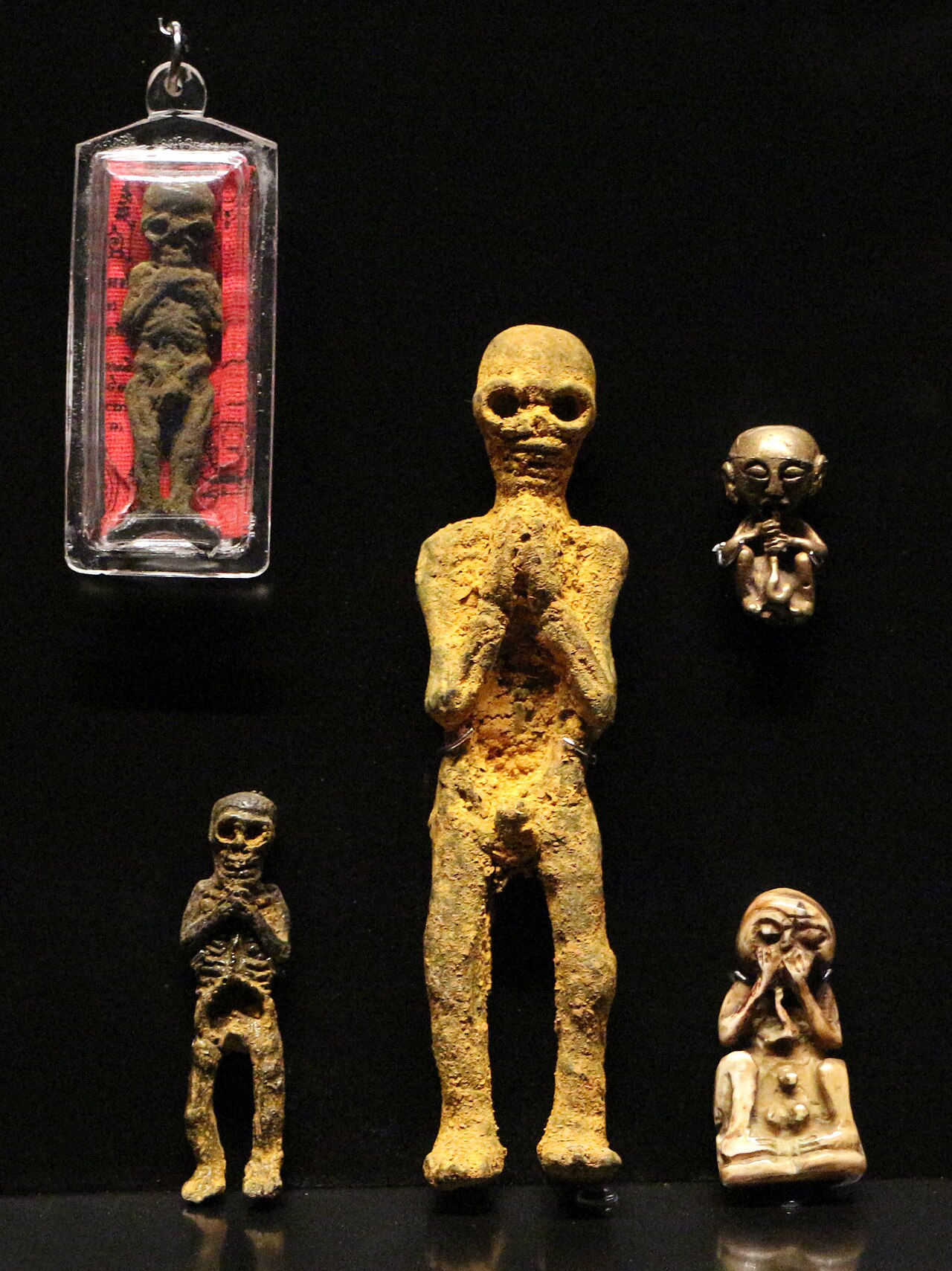
| Shape · ทรง | รูปเด็กชายทั้งตัว มักนุ่งโจงกระเบน ไว้จุก นั่งหรือยืน ตั้งแต่ขนาดพกพาถึงตั้งหิ้ง A whole child figure, usually a boy in a chong kraben with a topknot, seated or standing; from pocket size to shrine size. Modern bodies are clay, wood, resin or cast metal. |
|---|---|
| Worn · การพก | ส่วนใหญ่ตั้งบูชาในบ้านหรือร้าน มีแบบพกพาและล็อกเก็ตด้วย Mostly kept on a house or shop shrine; pocket figures and lockets exist |
| Obverse · ด้านหน้า | รูปเด็กทั้งตัว บางองค์ลงรักปิดทอง A full child figure; some are lacquered and gilded, which is where the name comes from |
| Notes | The treatise form is lacquered and gilded whole; the modern figure is a made effigy into which a spirit is invited. The historical necromantic form (ms 6983, pp. 84–86) is recorded here as ethnography, never as instruction. |
| Iconography · สัญลักษณ์ | เด็กชายไว้จุก นุ่งโจงกระเบน a boy with a topknot in a chong kraben ลงรักปิดทองทั้งตัว lacquer and gold leaf over the whole body ท่านั่งพนมมือ หรือถือถุงเงิน seated with palms together, or holding a money bag (modern retail) |
What to look at · จุดสังเกต
Type-level marks a reader can check by eye or loupe.
| เป็นรูปเด็ก ไม่ใช่องค์พระ ไม่ใช่รูปผู้ใหญ่ถืออาวุธ It is a child figure — never a Buddha image, never an armed adult (that is a hun phayon) | Catalogue · จากคลัง |
| ตำราให้ลงรักปิดทองทั้งตัว — ผิวดำมันใต้ทองคำเปลว The treatise lacquers and gilds the whole body: a dark lacquer skin under gold leaf is the type mark and the reason for the name | Catalogue · จากคลัง |
| รูปแบบสมัยใหม่ปั้นดิน แกะไม้ หรือหล่อโลหะ นุ่งโจงกระเบน Modern bodies are moulded clay, carved wood or cast metal, dressed as a Thai boy in a chong kraben | Cited · อ้างอิง |
| มักมีช่องบรรจุมวลสารที่ฐานหรือหลัง Look for a sealed cavity at the base or back where the filling sits; what went in is the provenance question | Tradition · ตามประเพณี |
| ถ้ามีน้ำแดง ขนม ของเล่นวางหน้าองค์ แสดงว่าเป็นของที่ถูกเลี้ยง Red drink, sweets and toys set before it mark a fed object; a kept-and-fed child figure is a kuman, not a phra khrueang | Catalogue · จากคลัง |
How to tell it from · แยกจาก
| หุ่นพยนต์ · Hun Payon (animated effigy) | กุมารทองเป็นเด็ก เลี้ยงอย่างลูก · หุ่นพยนต์เป็นผู้ใหญ่ถืออาวุธ ปลุกให้ทำงาน A kuman is a child figure raised as family; a hun phayon is an armed adult effigy animated to serve. Both are fed, but one is a named child and the other a compelled animation. |
|---|---|
| ขุนแผน · Khun Phaen tablet | ขุนแผนเป็นพระพิมพ์องค์พระในซุ้ม เลี้ยงแบบพระเครื่อง แม้มวลสารอาจมีพรายกุมาร A khun phaen is a pressed Buddha tablet kept like any amulet even when its material carries prai-kuman powder; a kuman thong is a child figure you feed. |
| นางกวัก · Nang Kwak (the beckoning lady) | นางกวักเป็นหญิงกวักมือ เป็นเทพที่บูชา ไม่ใช่ผีเด็กที่เลี้ยง Nang Kwak is a beckoning woman venerated as a deva; a kuman is a bound child-spirit fed as family |
The story · เรื่องเล่า Catalogue · จากคลัง
ในเสภาขุนช้างขุนแผน ขุนแผนย่างศพลูกในครรภ์ของนางบัวคลี่จนแห้งแล้วเลี้ยงเป็นกุมารทอง ตำรา ๖๙๘๓ (หน้า ๘๔–๘๖) เล่าวิธีเดียวกัน: หาผีตายทั้งกลม เซ่นกุ้งพล่าปลายำ ตั้งมณฑลสายสิญจน์ ๗ ชั้นในโบสถ์ ย่างบนคานไม้ชัยพฤกษ์ให้แห้งก่อนอรุณ แล้วลงรักปิดทอง ให้ข้าวทุกวัน ปลุกก่อนกิน ผูกด้วยคาถาเมื่อเก็บ ปัจจุบันสร้างเป็นรูปปั้นแล้วอัญเชิญวิญญาณ
In the Khun Chang Khun Phaen epic the hero cuts the stillborn son from his murdered wife Bua Khli and dries the body over a fire at a temple; the spirit becomes his scout and defender. Manuscript 6983 (pp. 84–86) records the same making as a recipe: seek the ghost of a mother who died with child, best on a Saturday or Tuesday; propitiate with spicy shrimp and fish salad; consecrate the knife; carry the child to the ordination hall, set a seven-turn sai sin enclosure under a white canopy hung with eight yantras; roast the body on a chaiyaphruek frame by night until dry before dawn; lacquer and gild it. Thereafter rice every day, woken and called before it eats, sent out with one katha and closed with another when put away. Thai Wikipedia says the old method gave way to moulded clay, wood or metal figures into which a spirit is invited, and that from 2015 the luk thep doll is the newest form.
Keeping · การเลี้ยงดู Catalogue · จากคลัง
ต้องเลี้ยง: ข้าว น้ำแดง ของเล่น ตั้งชื่อ พูดด้วย ถ้าละเลยจะซนหรือไปจากบ้าน ประวัติของผู้เลี้ยงเดิมติดมาด้วย
Feeding. Rice, red drink and toys; a name; conversation. Neglect is the failure mode — a hungry, ignored kuman turns mischievous or leaves. Who raised it and what it was taught travels with it, so the history is the first question, not the price.
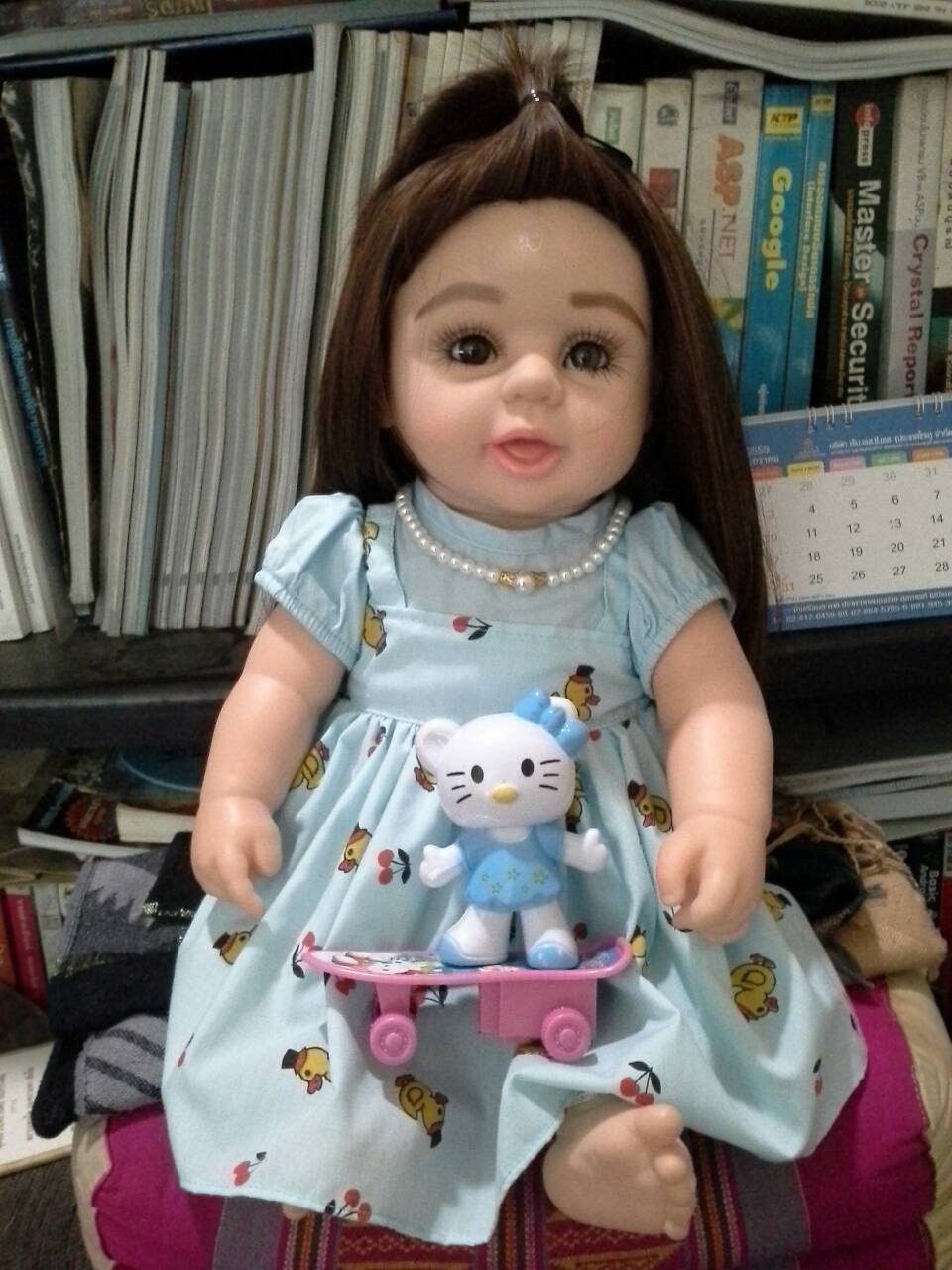
Pictures · ภาพ
Sources · แหล่งที่มา
- manuscript-wiki/data/holding_key.json — the 36-kind identification key behind wichaa.net/holding (vault; own)
- wichaa-vault _meta/vocab/classes.md — class axis (resident / upkeep / provenance_sensitivity) (vault; own)
- ตำราสร้างเครื่องรางของขลัง — amulet-making treatise, manuscript 6983, bilingual transcription (170 pp, 160 formulas) (treatise; contributed volume; katha not proofed by a scholar)
- Kuman thong — Wikipedia (wikipedia; CC BY-SA 4.0)
- กุมารทอง — วิกิพีเดีย (wikipedia; CC BY-SA 4.0)
- Khun Chang Khun Phaen — Wikipedia (wikipedia; CC BY-SA 4.0)
- amulet-reference.html — 22 specimen cards, 7 formula cards, 112-term market taxonomy (2026-07) (vault; own)
- General knowledge of the Thai / Lanna amulet tradition (model training + secondary literature), hedged — never a specific date, title or scholar unless separately cited (book; n/a)
Default provenance: Tradition · ตามประเพณี axes → Catalogue · จากคลัง axes.functions → Catalogue · จากคลัง text.what_en → Catalogue · จากคลัง text.story_en → Catalogue · จากคลัง text.keeping_en → Catalogue · จากคลัง form.shape_en → Cited · อ้างอิง origin.era_en → Cited · อ้างอิง market → Catalogue · จากคลัง media → Catalogue · จากคลัง · confidence high · updated 2026-09-02