พระพิฆเนศ phra phikkhanet · Ganesha pendant
📷 ถือชิ้นนี้อยู่? ถ่ายรูปเทียบ · Holding one? Photograph it to compare 🔍 ค้นหา · search Ganesha pendant
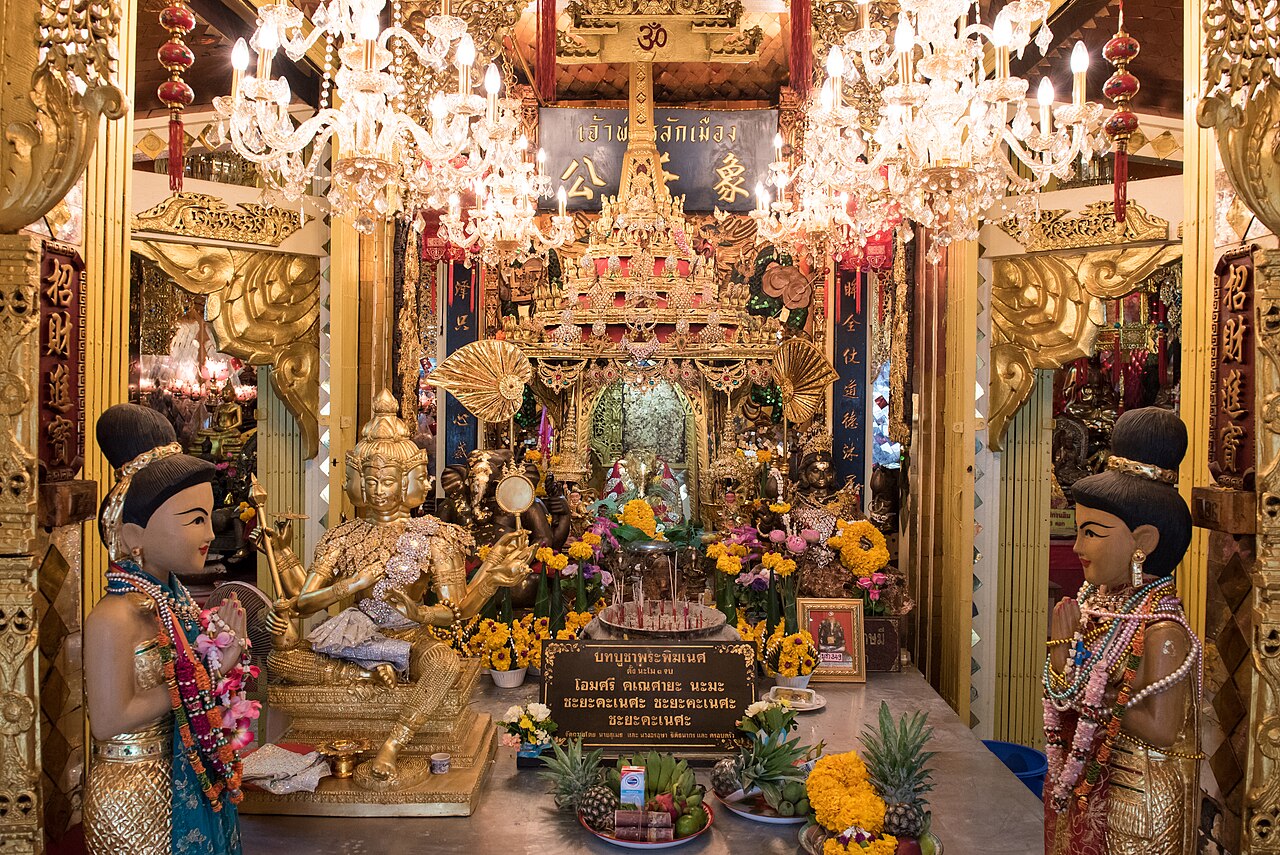
จี้หรือรูปหล่อพระพิฆเนศ เทพเศียรช้างผู้ขจัดอุปสรรค เจ้าแห่งศิลปวิทยา บูชากันในไทยทั้งในกรอบพุทธและพราหมณ์
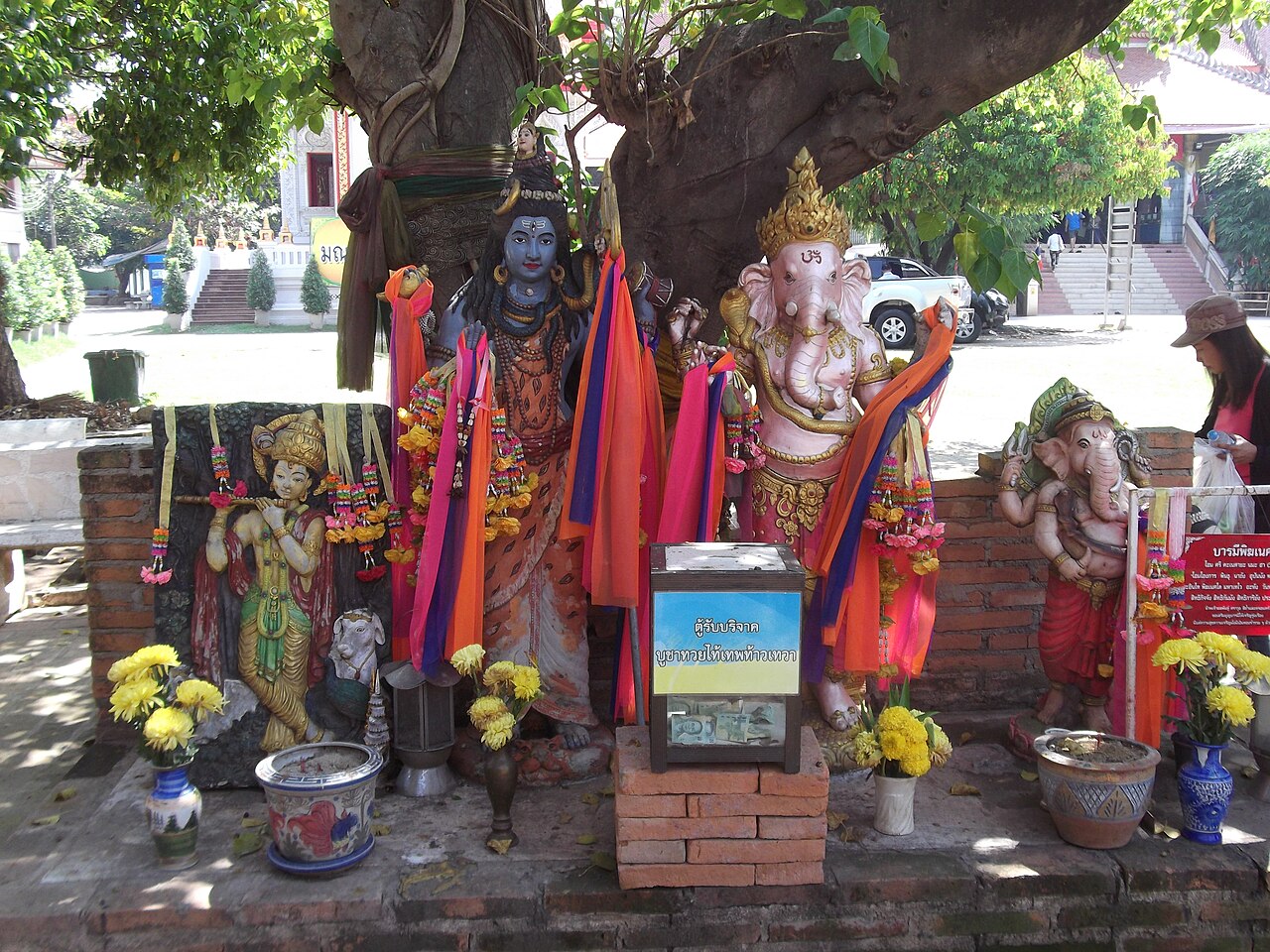
A pendant or small cast image of Ganesha, the elephant-headed remover of obstacles and patron of the arts, venerated in Thailand inside Buddhist practice as much as Hindu.
also: พระพิฆเนศวร · พระคเณศ · องค์พิฆเนศ · phra phikanet · phra pikanet · phra kanet · Ganesh amulet · Phra Pikanet
At a glance · โดยย่อ
| Class · หมวด | เทพ / เทวดา deva-tier resident Tradition · ตามประเพณี |
|---|---|
| Resident · ผู้อยู่ | deva |
| Upkeep · การเลี้ยง | veneration |
| Provenance sensitivity | medium |
| Form · รูปแบบ | figure · รูปหล่อ/รูปปั้น |
| Material · เนื้อ | เนื้อโลหะ metal (unspecified) · ทองเหลือง brass · เนื้อผง sacred-powder paste |
| Function · คุณ | เมตตามหานิยม loving-kindness and wide popularity · ค้าขาย trade, selling · แคล้วคลาด evasion, narrow escape |
| Region · ถิ่น | ทั่วประเทศไทย Thailand, not regionally specific |
| Maker · ผู้สร้าง | หลายวัดและสำนัก Issued by many wats and shrines; no single maker |
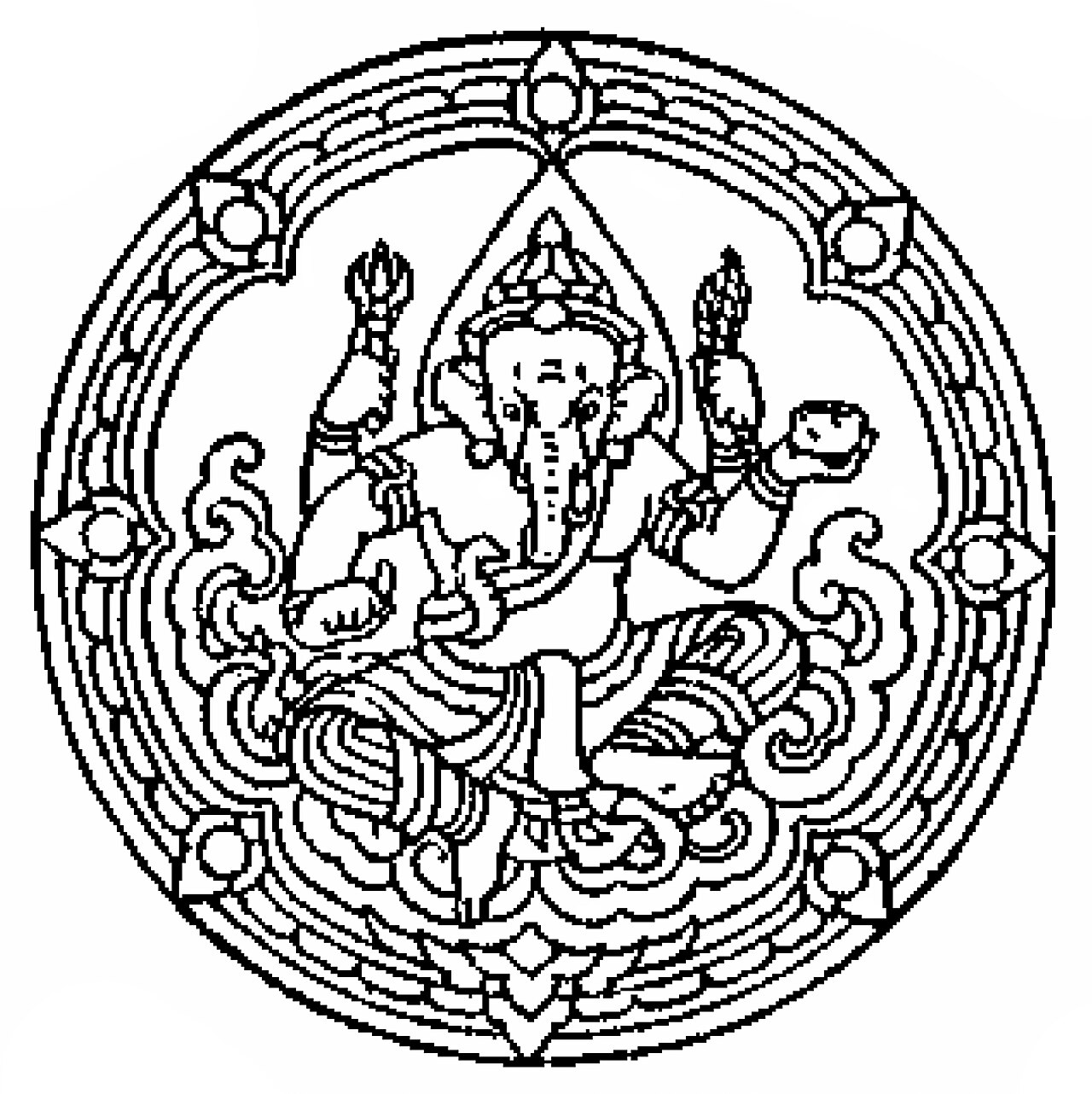
| Era · ยุค | ความนิยมยุคใหม่ต่อจากการที่กรมศิลปากรและมหาวิทยาลัยศิลปากรใช้เป็นตรา Modern popularity follows the Fine Arts Department and Silpakorn University adopting Ganesha as emblem, itself inherited from King Vajiravudh's literary society Tradition · ตามประเพณี |
| Retail market (Lazada TH titles) | 103 listings · ฿29–259 typical · median ฿89 Catalogue · จากคลัง |
Form · รูปทรง Tradition · ตามประเพณี
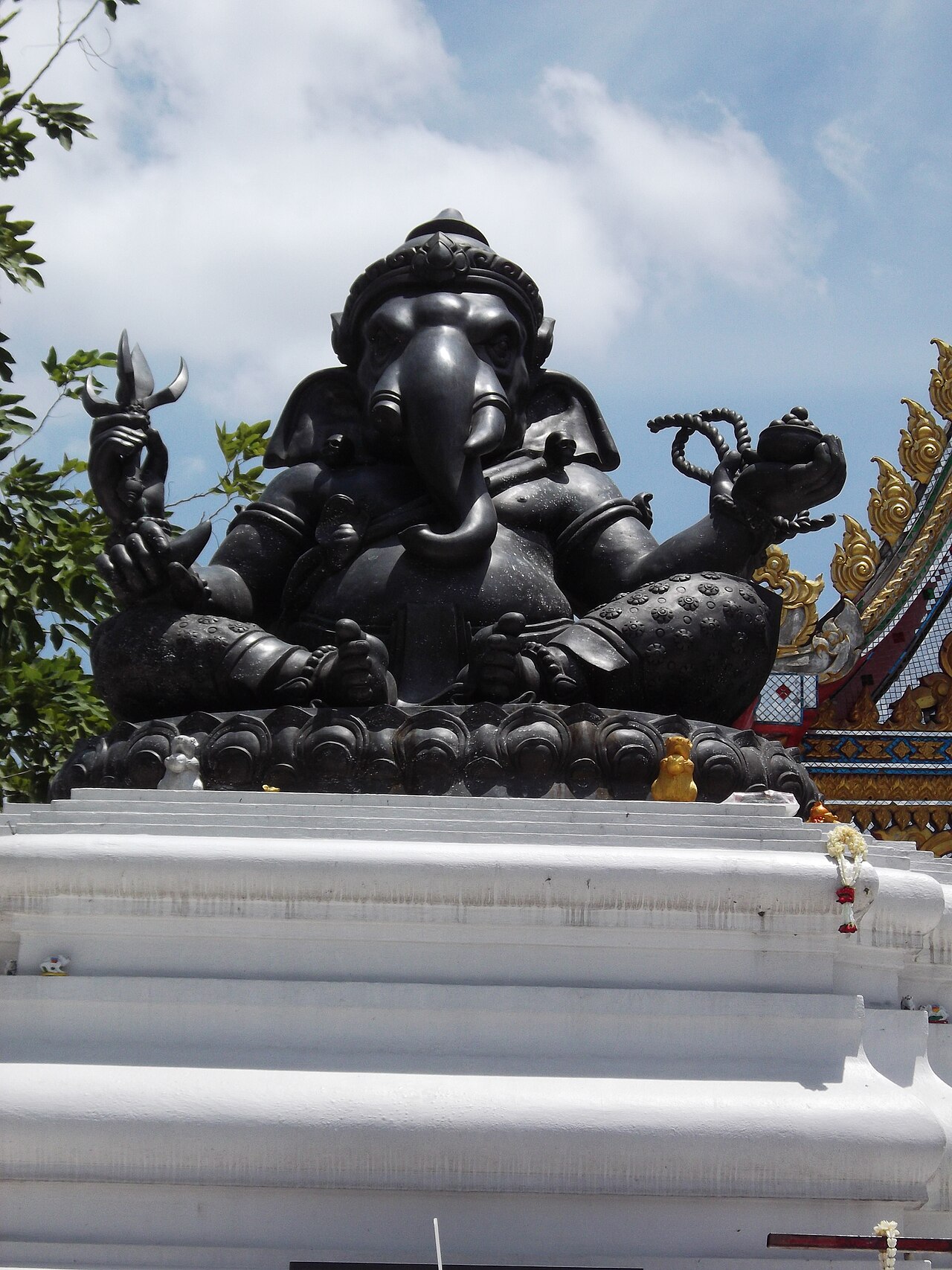
| Shape · ทรง | รูปหล่อองค์เล็กหรือเหรียญ องค์เศียรช้างประทับนั่ง หลายกร Small cast figure or struck medallion of the elephant-headed god, seated, with several arms; larger cast images for desk and shrine |
|---|---|
| Worn · การพก | ห้อยคอในตลับ หรือตั้งบูชา Worn at the neck in a case, or set on a shrine shelf |
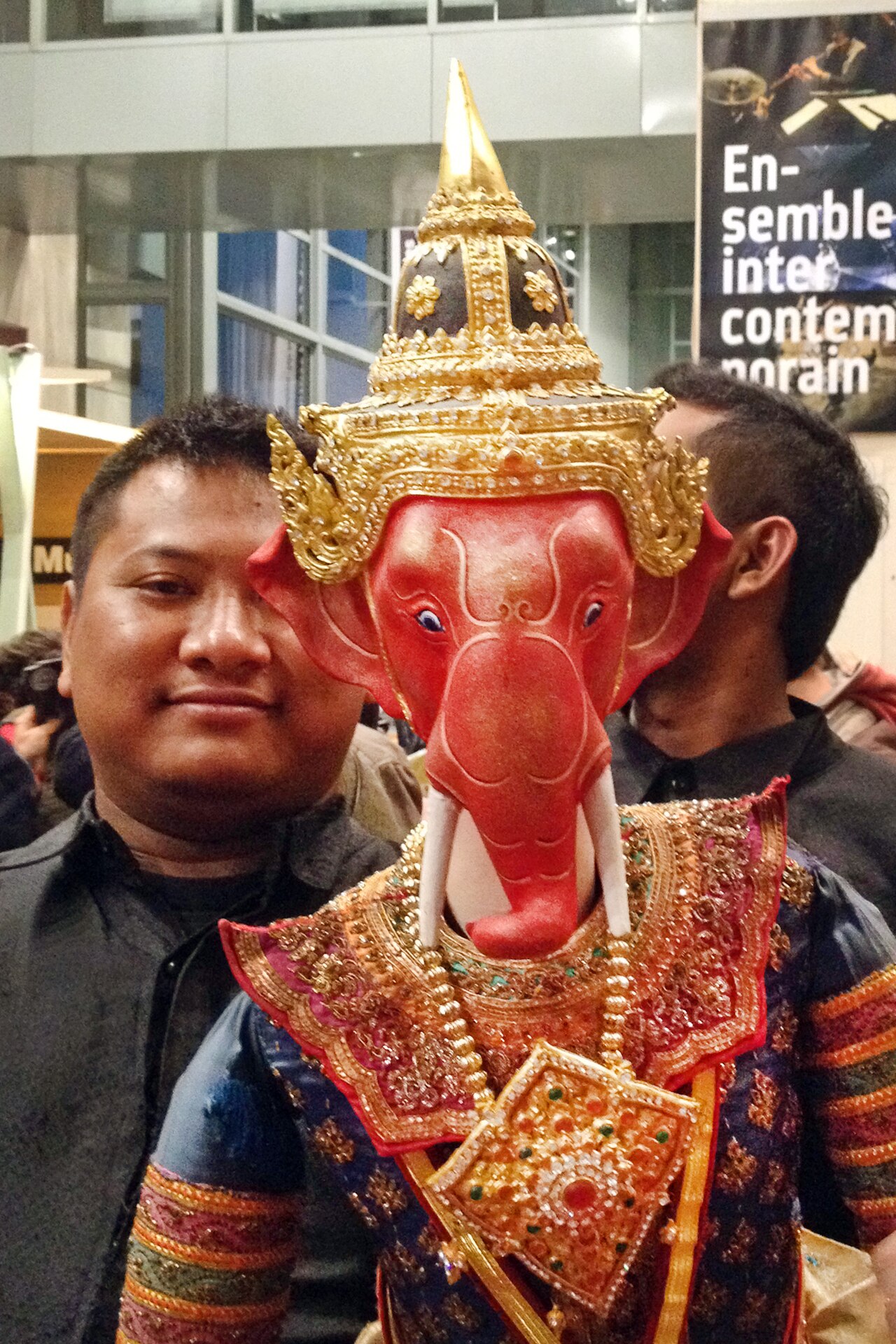
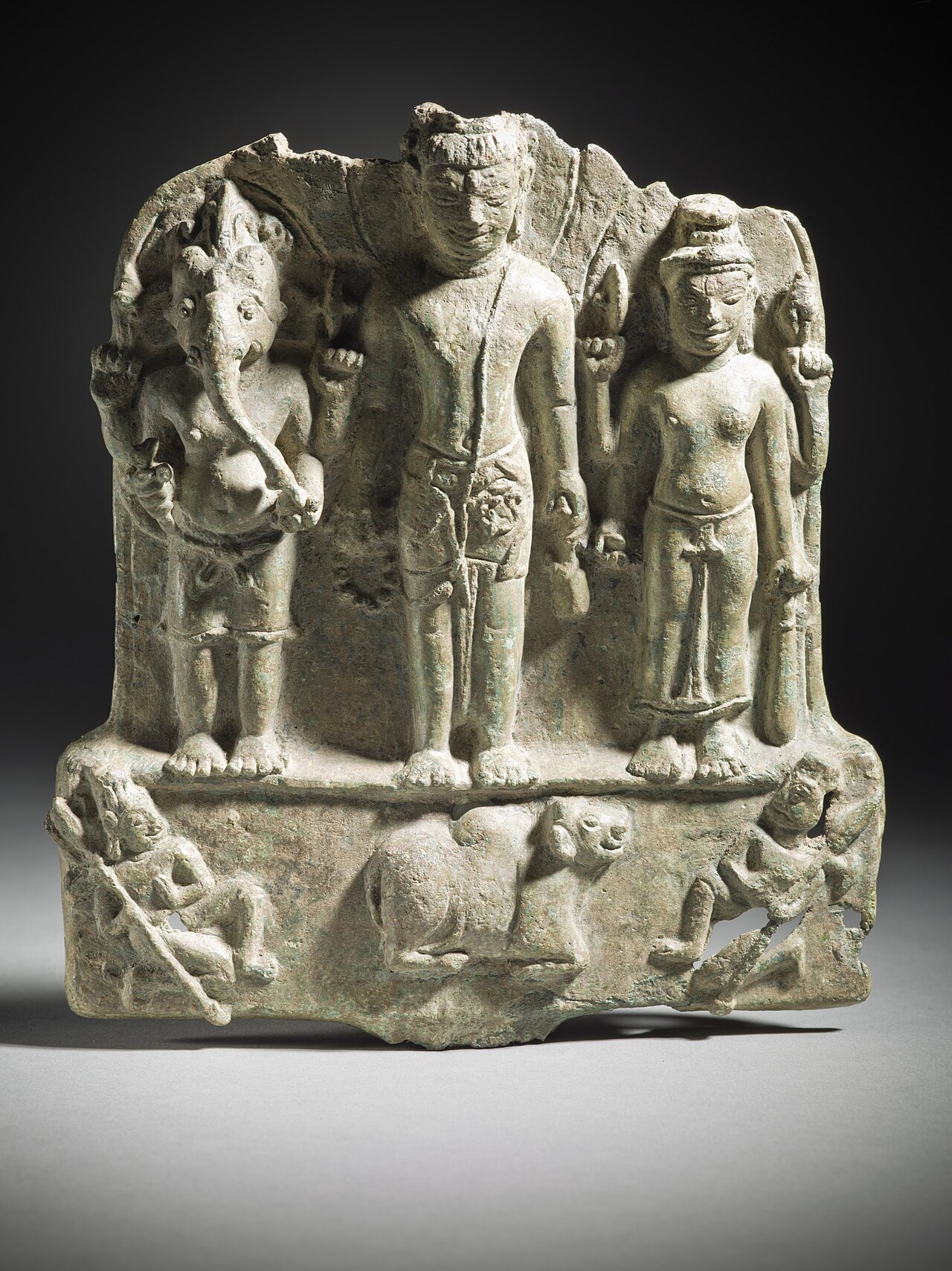
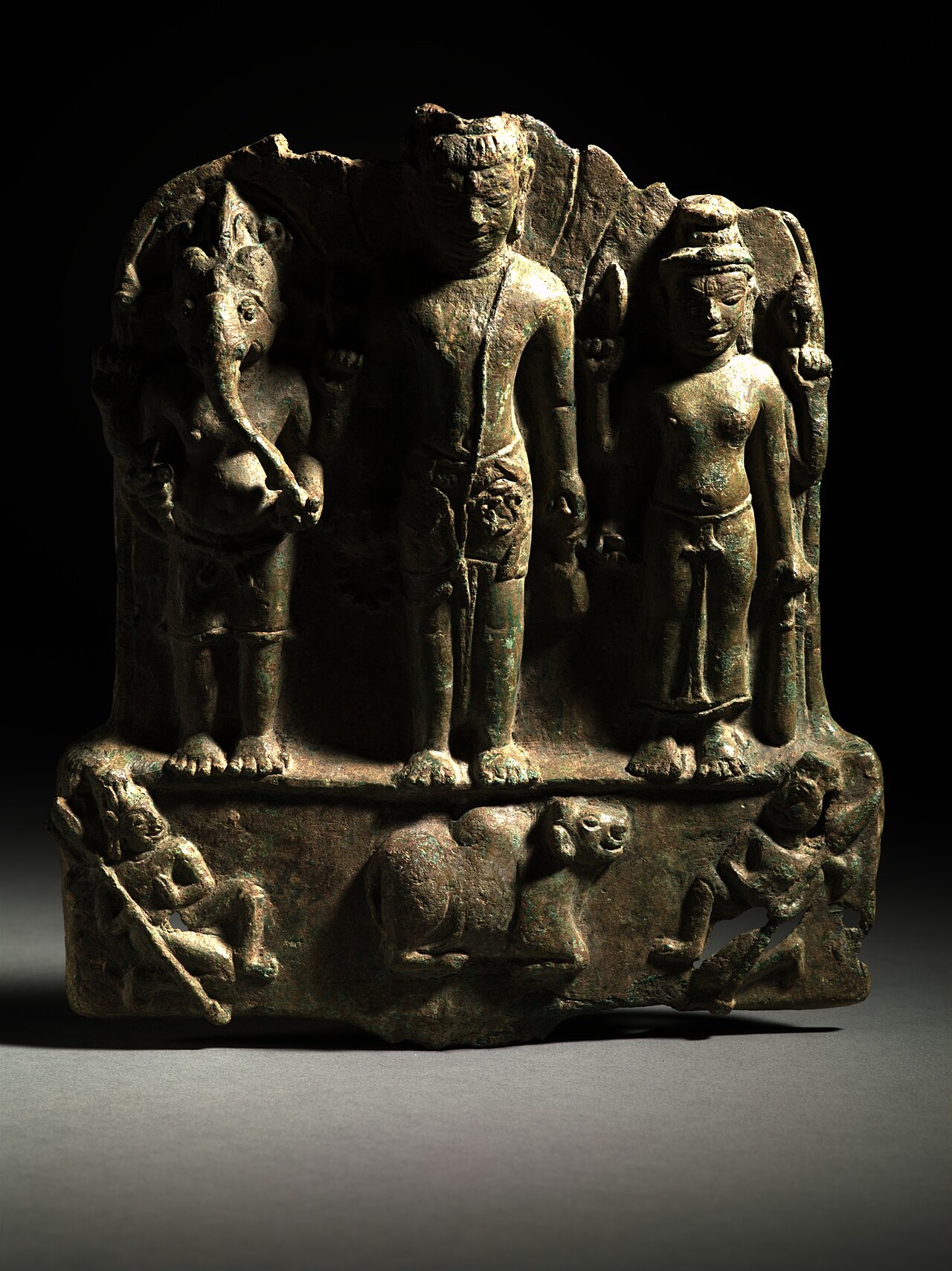
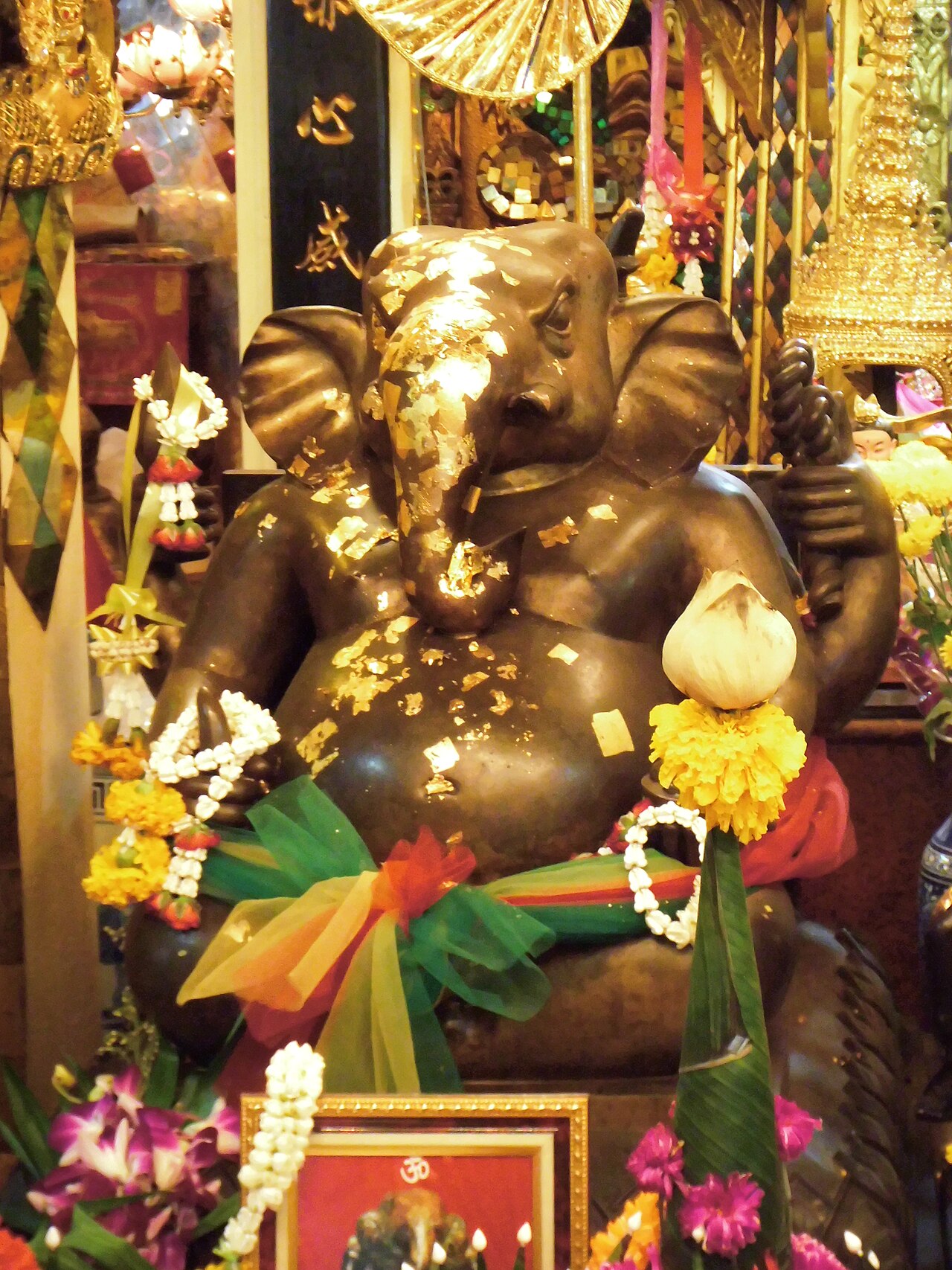
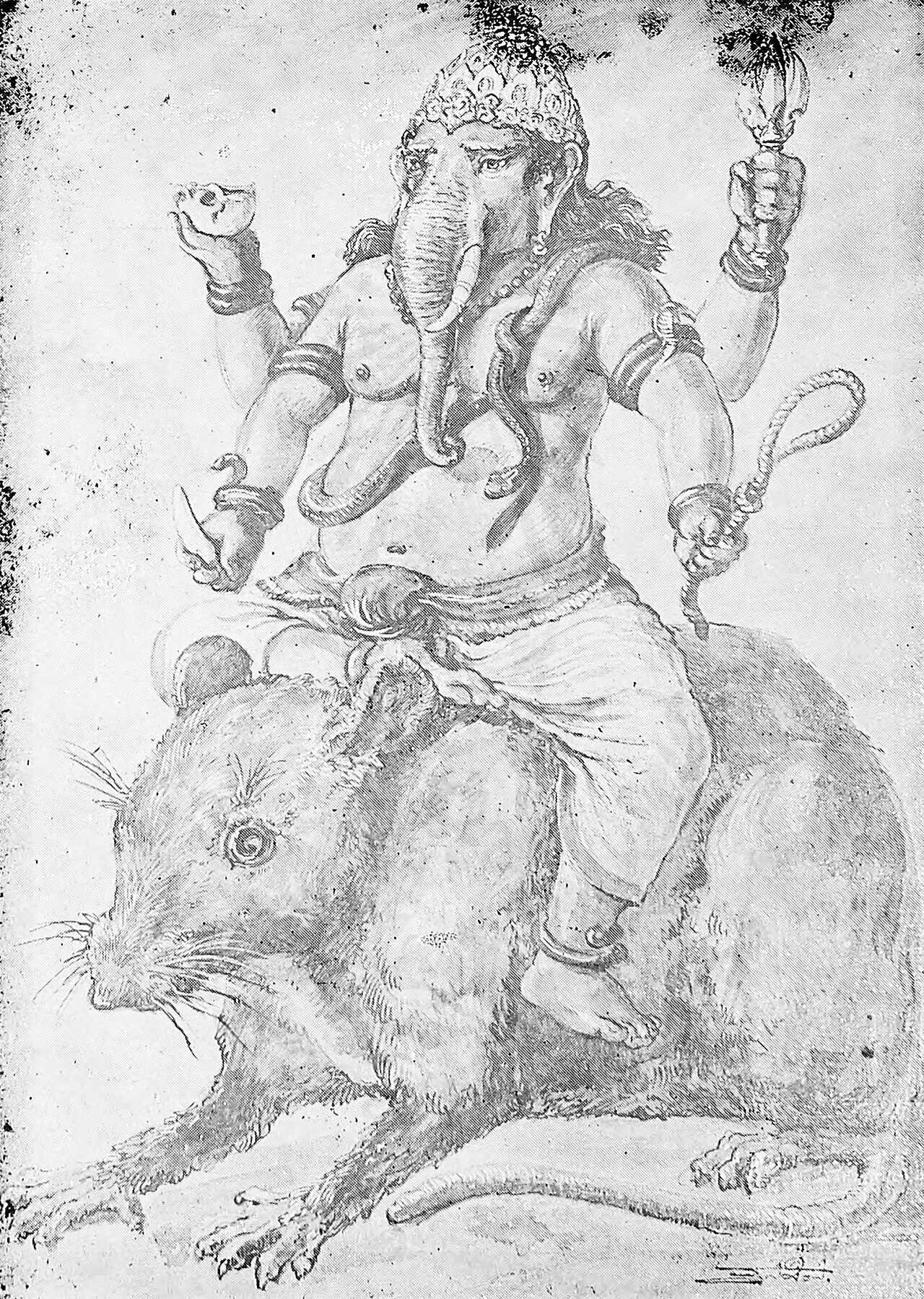
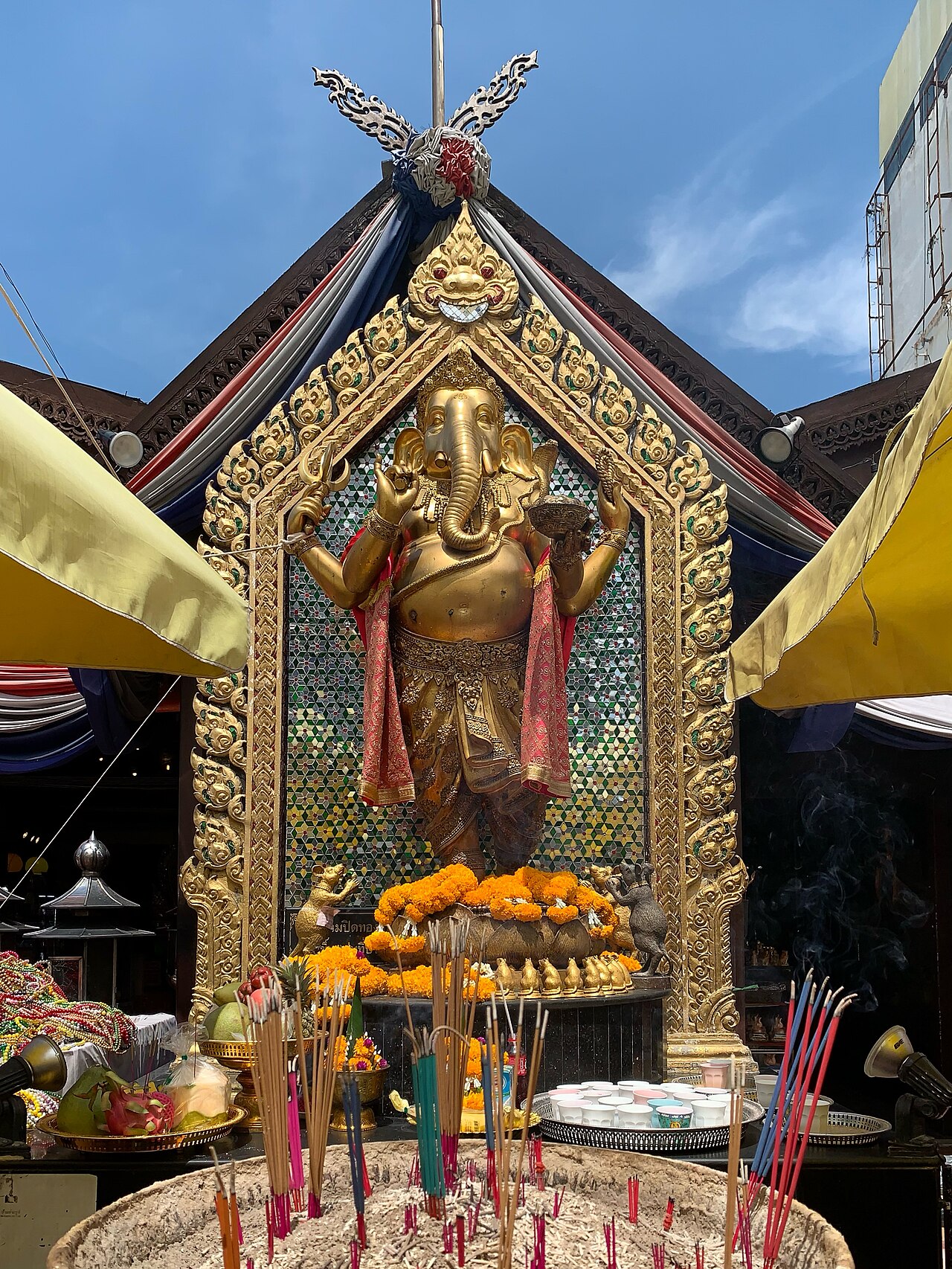
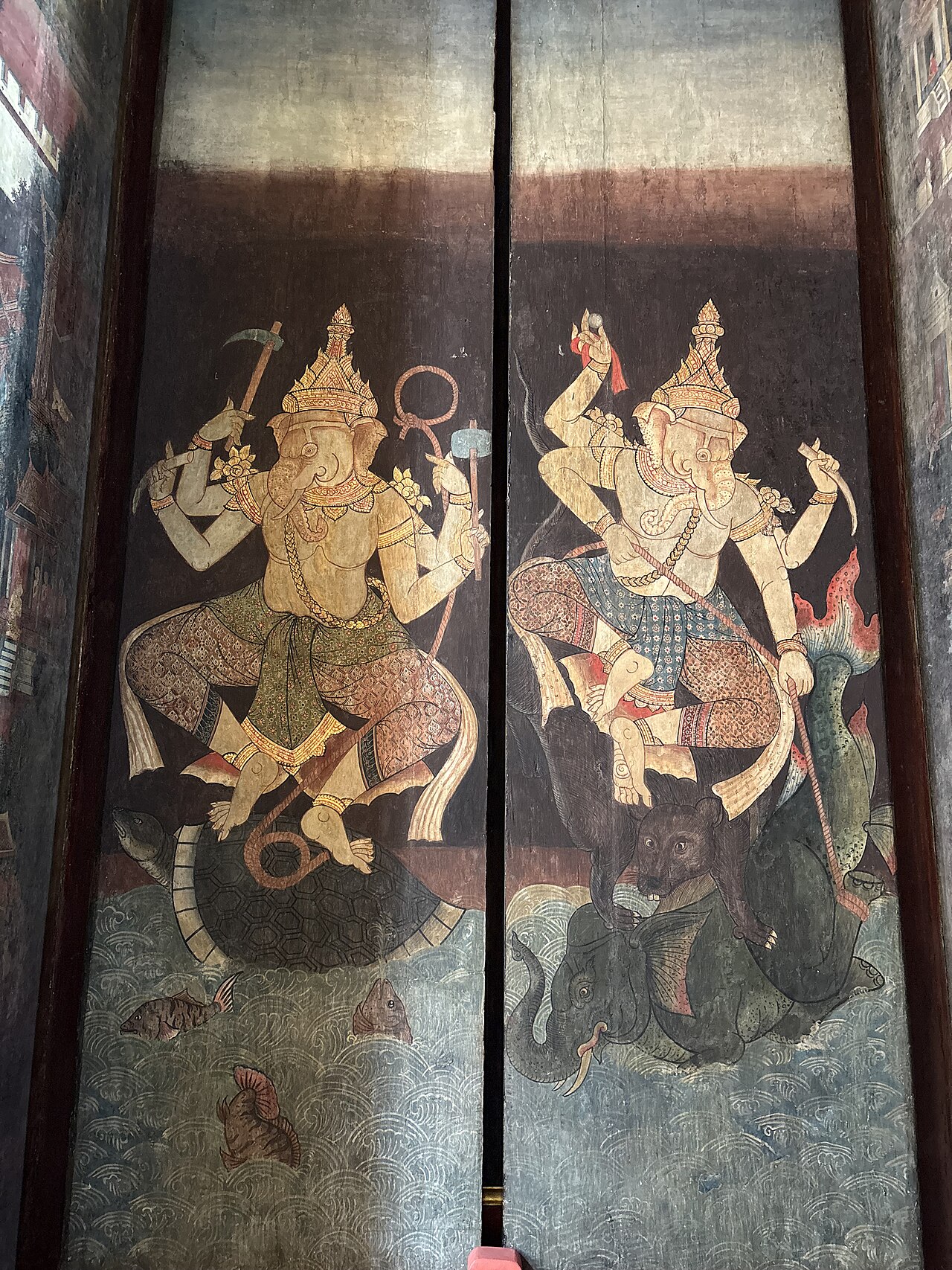
| Obverse · ด้านหน้า | พระพิฆเนศ เศียรช้าง งาเดียว พุงพลุ้ย สี่กร มีหนูเป็นพาหนะ Ganesha: elephant head, single (broken) tusk, round belly, four arms, the mouse as vehicle |
| Reverse · ด้านหลัง | ยันต์หรือชื่อวัดและรุ่น Yantra, or the issuing wat and run |
| Notes | Iconography per Thai Wikipedia; the pendant forms and their reverse are tradition. |
| Iconography · สัญลักษณ์ | เศียรช้าง งาหัก elephant head with one broken tusk สี่กร four arms หนู (มุสิกะ) พาหนะ the mouse as vehicle |
What to look at · จุดสังเกต
Type-level marks a reader can check by eye or loupe.
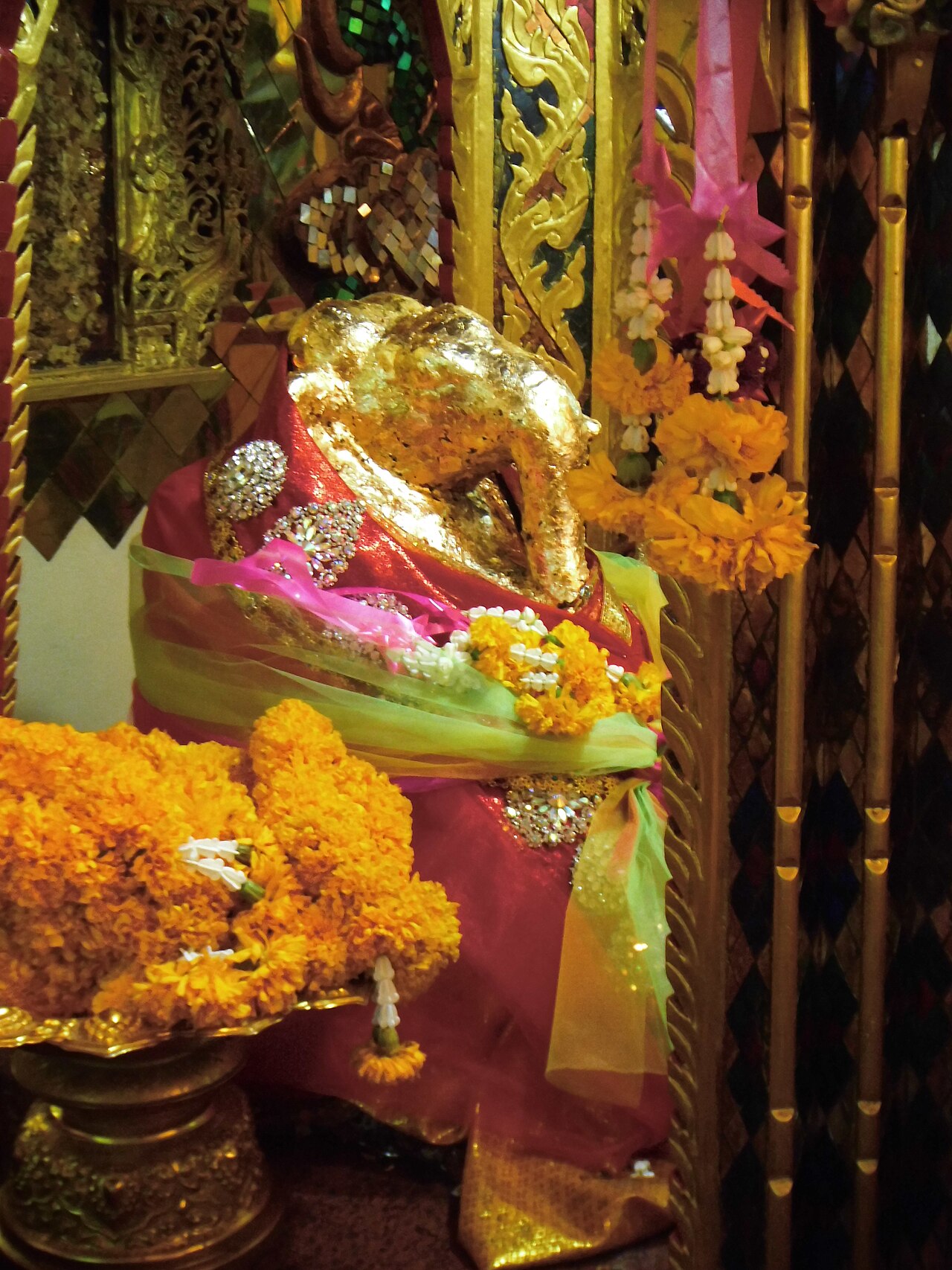
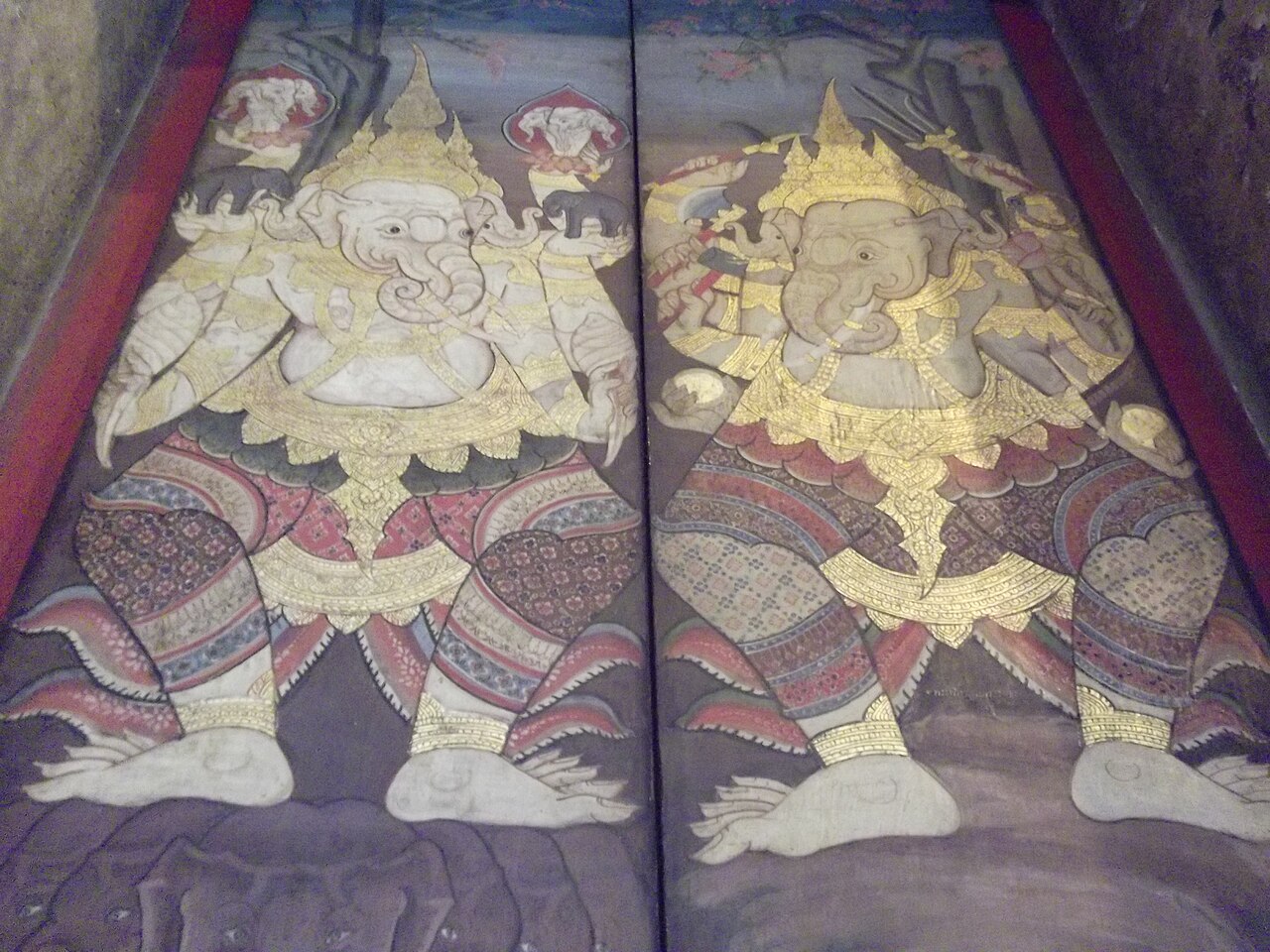
| เศียรช้าง งาเดียว สี่กร มักถือขนม บ่วง ขอช้าง งาหัก Elephant head, one tusk, four arms; the hands usually hold a sweet, a noose, an elephant goad and the broken tusk | Cited · อ้างอิง |
| หนูอยู่ที่ฐาน A mouse at the base marks the vehicle; its absence is common on small pendants | Cited · อ้างอิง |
| รูปหล่อโลหะมีรอยตะไบใต้ฐานและรอยอุดกริ่งบ้าง เหรียญมีขอบตัด Cast figures show file marks under the base; medallions show a struck edge — the material axis is the first gate | Tradition · ตามประเพณี |
| รูปแบบไทยตามแบบฮินดู ไม่มีรูปแบบพิเศษของไทยที่แยกได้ด้วยตา Thai renderings follow the Hindu standard; there is no distinct Thai type the eye can separate, so the run and wat on the reverse carry the identity | Tradition · ตามประเพณี |
How to tell it from · แยกจาก
| พระพรหม · Four-faced Brahma pendant | พระพรหมสี่หน้า ไม่ใช่เศียรช้าง · พระพิฆเนศเศียรช้าง ทั้งคู่ชั้นเทพ บูชาไม่ต้องเลี้ยง Both are deva-tier pendants kept by veneration. Brahma has four human faces; Ganesha has an elephant head. Different god, same class. |
|---|---|
| ท้าวเวสสุวรรณ · Thao Wessuwan (guardian-king of the yaksha) | ท้าวเวสสุวรรณเป็นยักษ์ถือกระบอง ไม่ใช่ช้าง Wessuwan is a club-bearing giant; Ganesha is the elephant-headed god. Same class, different figure |
| พญาครุฑ · Phaya Khrut (the garuda) | ครุฑเป็นครึ่งนกครึ่งคน กางปีก Garuda is a winged bird-man, usually shown wings out; Ganesha sits with an elephant's head |
The story · เรื่องเล่า Cited · อ้างอิง
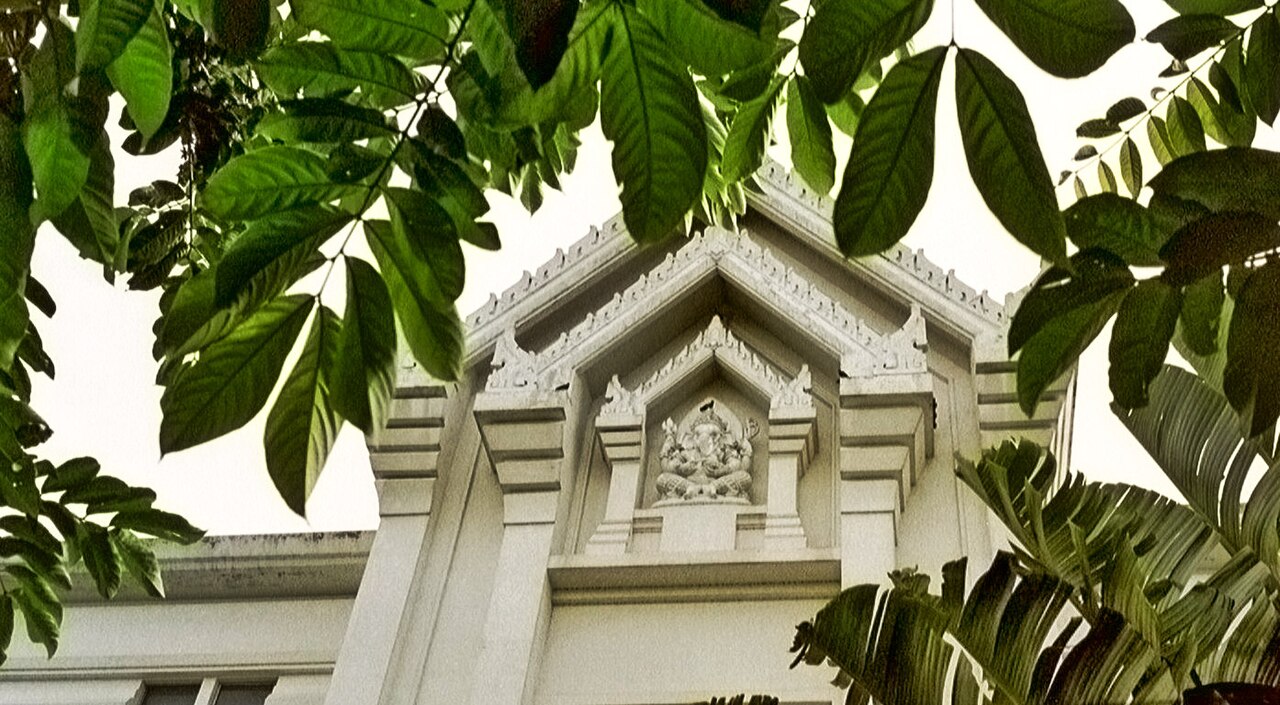
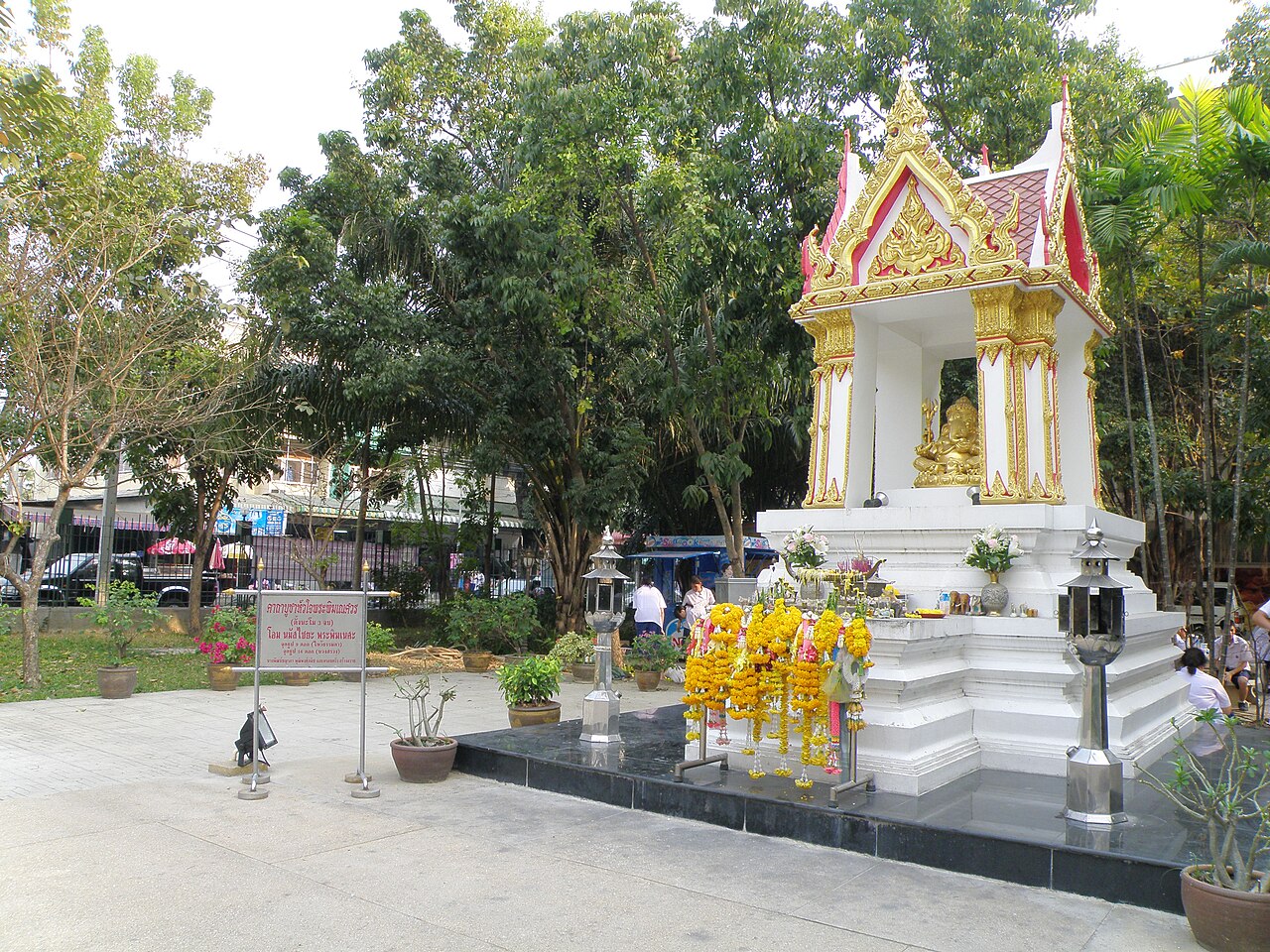
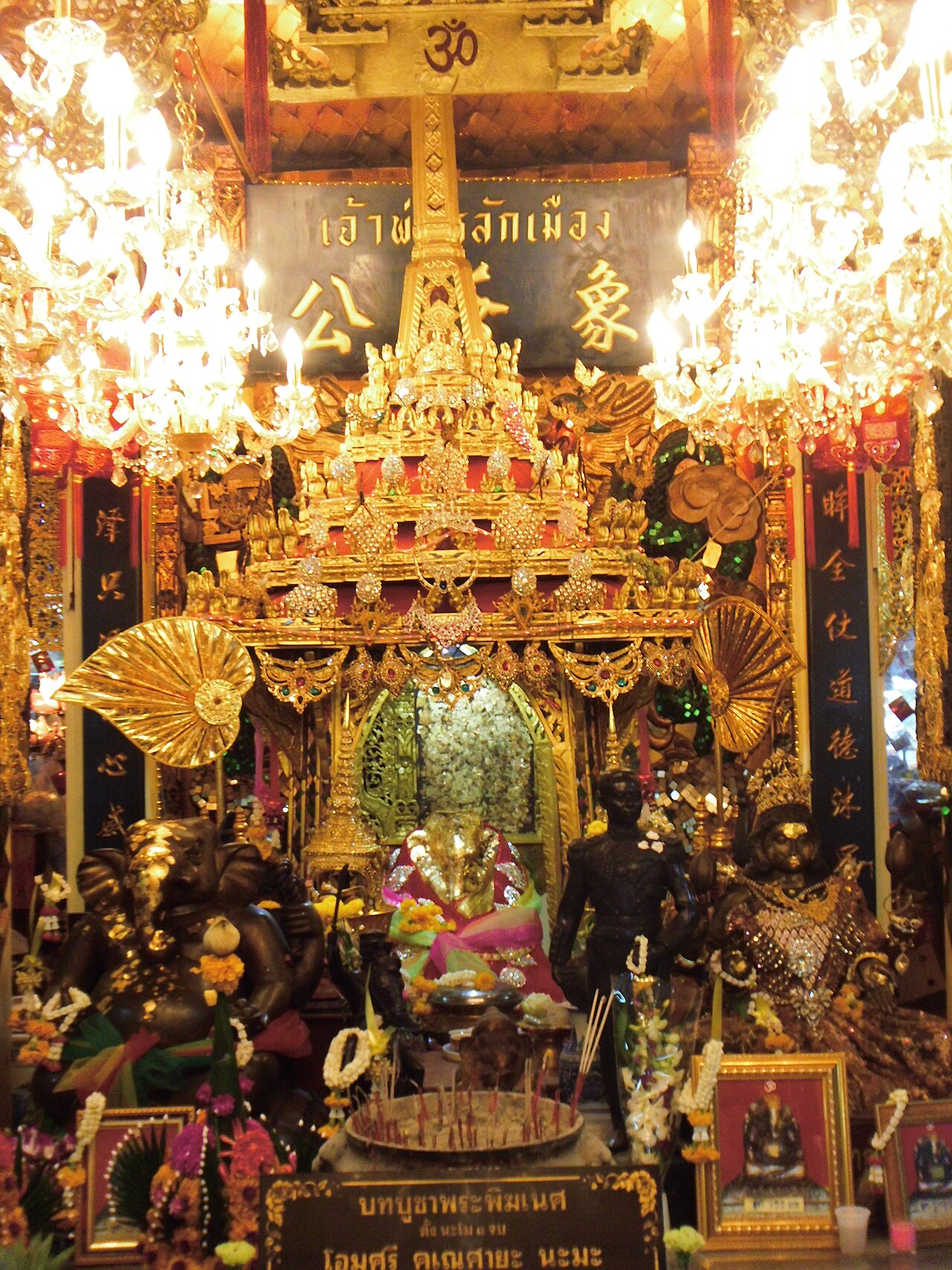
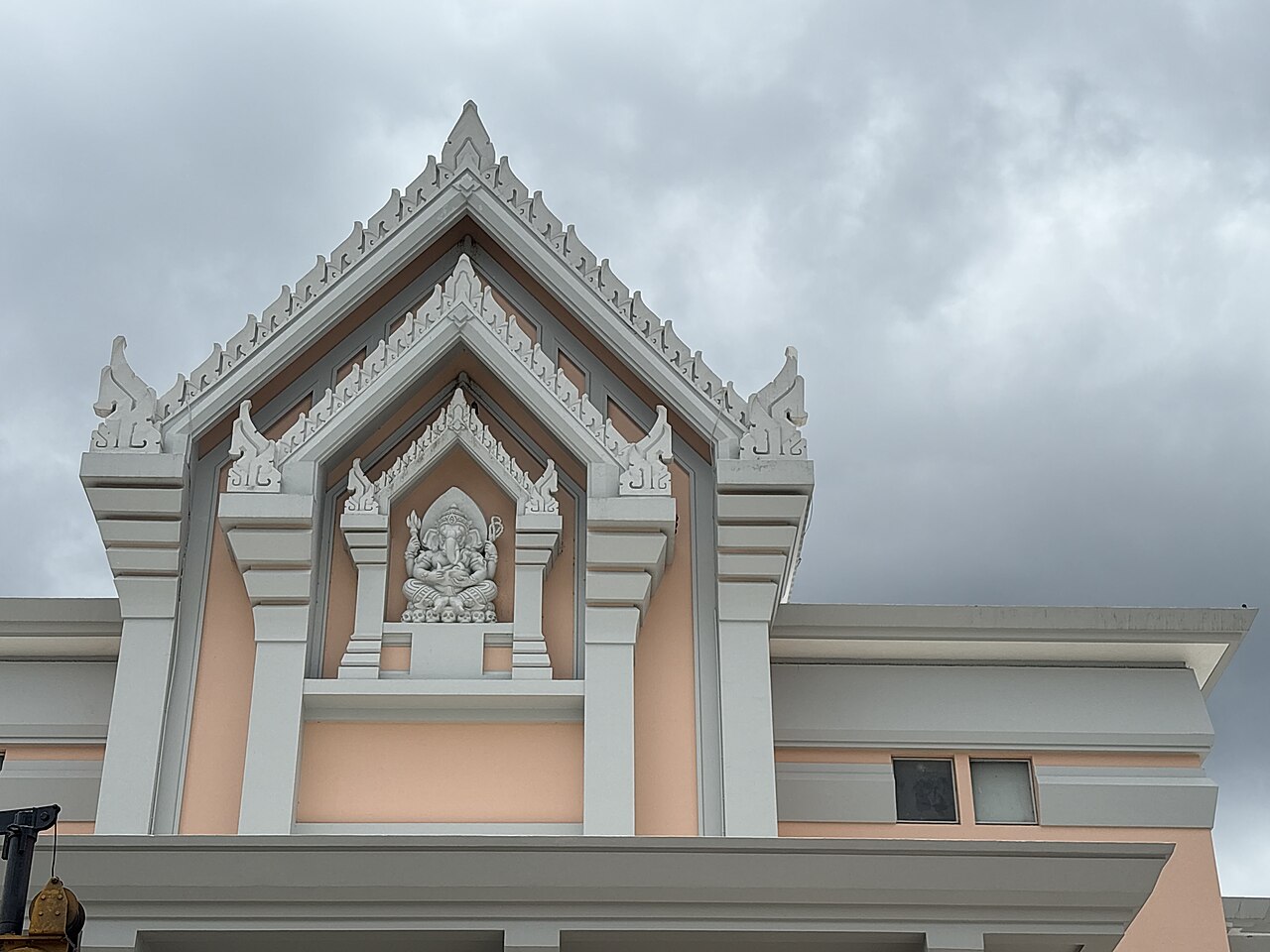
ความเป็นเทพแห่งศิลปะในไทยมาจากรัชกาลที่ 6 ทรงตั้งเทวาลัยคเณศที่พระราชวังสนามจันทร์และใช้เป็นตราวรรณคดีสโมสร กรมศิลปากรรับตรานี้ต่อ มหาวิทยาลัยศิลปากรก็ใช้ ศาลใหญ่กลางกรุงที่ราชประสงค์และห้วยขวางทำให้เป็นเทพยอดนิยมของคนทำงานศิลปะ ค้าขาย และนักเรียน
Thailand's Ganesha is the god of the arts because King Vajiravudh built a Ganesha shrine at Sanam Chan Palace and made him the emblem of his literary society; the Fine Arts Department inherited the seal and Silpakorn University uses it still. Big city shrines at Ratchaprasong and Huai Khwang made him the everyday god of artists, traders and students, and the pendant trade followed the shrines.
Keeping · การเลี้ยงดู Tradition · ตามประเพณี
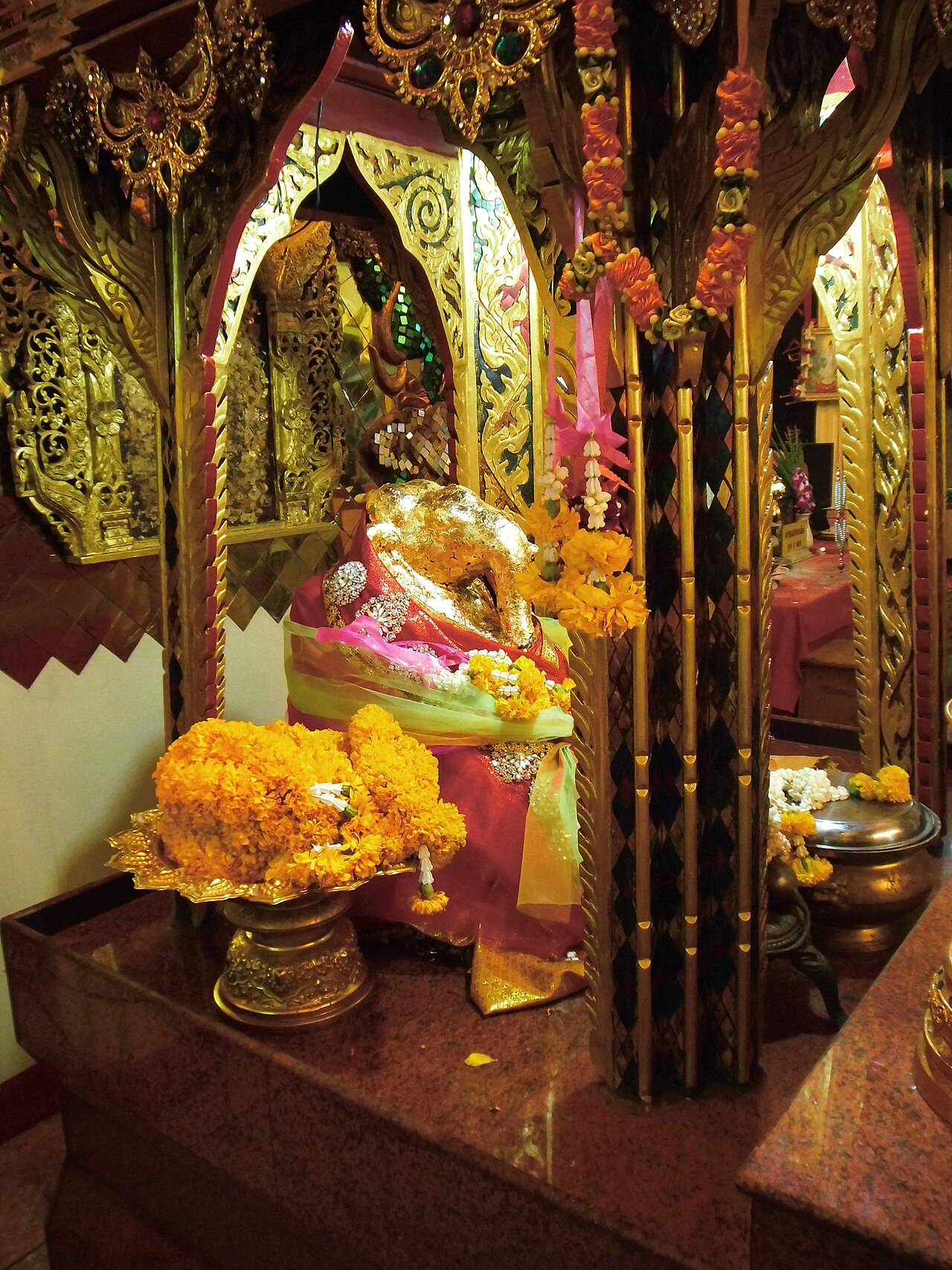
บูชาด้วยดอกไม้ ผลไม้ ขนม และความเคารพ ไม่ต้องเลี้ยงอย่างกุมาร ไม่ใช่ผี
Kept by veneration: flowers, fruit, sweets and respect. Not fed like a kuman and not a ghost; the cleanest resident class.
Pictures · ภาพ

Sources · แหล่งที่มา
- พระพิฆเนศ — วิกิพีเดีย (wikipedia; CC BY-SA 4.0)
- wichaa-vault _meta/vocab/classes.md — class axis (resident / upkeep / provenance_sensitivity) (vault; own)
- General knowledge of the Thai / Lanna amulet tradition (model training + secondary literature), hedged — never a specific date, title or scholar unless separately cited (book; n/a)
- Wikimedia Commons — Category:Amulets of Thailand (and subcategories) (commons; per file; only CC0 / PD / CC BY / CC BY-SA files are harvested)
Default provenance: Tradition · ตามประเพณี iconography → Cited · อ้างอิง origin.era_en → Cited · อ้างอิง text.story_en → Cited · อ้างอิง axes.class → Catalogue · จากคลัง market → Inference · อนุมาน · confidence medium · needs verification · updated 2026-09-02