จิ้งจกสองหาง chingchok song hang · Two-tailed gecko
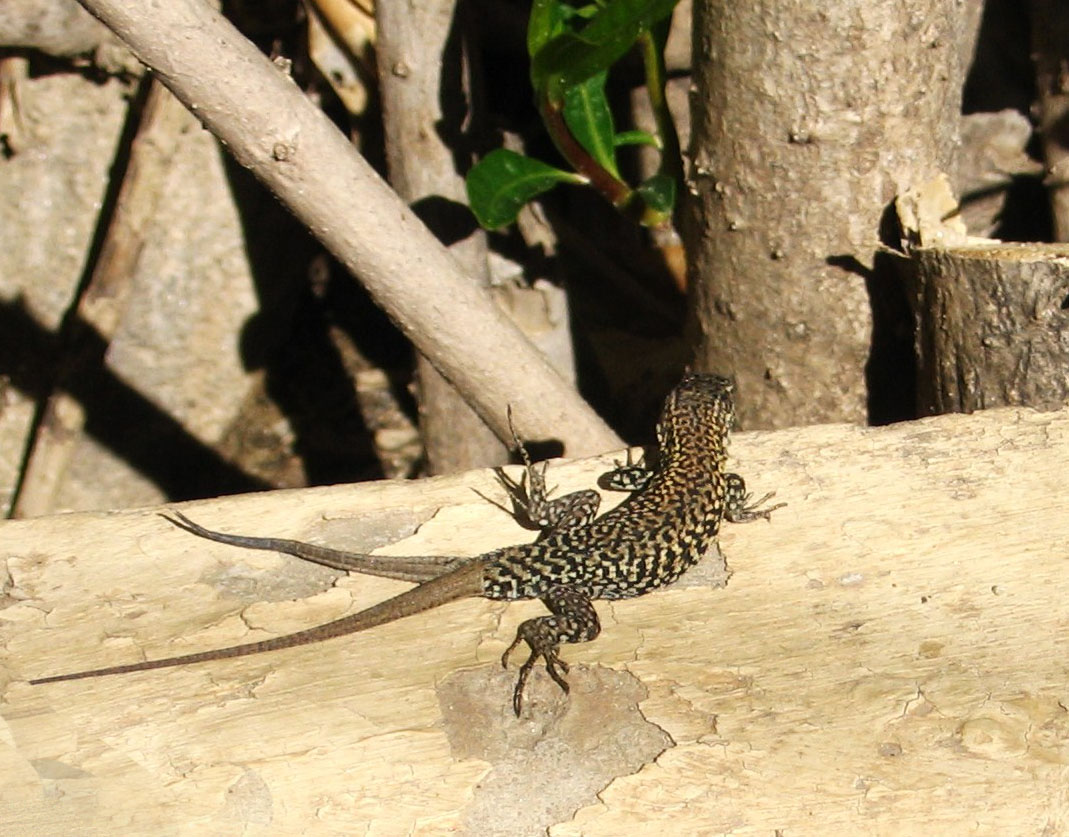
📷 ถือชิ้นนี้อยู่? ถ่ายรูปเทียบ · Holding one? Photograph it to compare 🔍 ค้นหา · search Two-tailed gecko
จิ้งจกบ้านที่หางงอกใหม่เป็นสองแฉก ถือเป็นของหายากตามธรรมชาติ เก็บแห้งไว้เพื่อโชคลาภเมตตา ไม่ต้องเสก ไม่ต้องเลี้ยง ของแกะเลียนแบบมีมาก
A house gecko whose regrown tail forked in two, kept dried as a natural rarity for luck and favour. Nothing conferred and nothing to feed; carved imitations far outnumber the real thing.
also: จิ้งจก ๒ หาง · จิ้งจกหางแฉก · jingjok song hang · jing jok 2 hang · forked-tail gecko charm · double-tailed house gecko
At a glance · โดยย่อ
| Class · หมวด | เครื่องรางธรรมชาติ natural talisman Catalogue · จากคลัง |
|---|---|
| Resident · ผู้อยู่ | none |
| Upkeep · การเลี้ยง | none |
| Provenance sensitivity | low |
| Form · รูปแบบ | natural · ของธรรมชาติ |
| Material · เนื้อ | — |
| Function · คุณ | โชคลาภ luck and windfall · เมตตามหานิยม loving-kindness and wide popularity |
| Region · ถิ่น | ทั่วประเทศไทย Thailand, not regionally specific |
| Temple · วัด | วัดโพธิ์รัตนาราม ราชบุรี (พระสมเด็จหลังจิ้งจกสองหาง พ.ศ. ๒๕๒๐) Wat Pho Rattanaram, Ratchaburi — the one named issue, a somdet with the gecko on the reverse, c. B.E. 2520 (th.wikipedia) |
| Maker · ผู้สร้าง | พระอธิการคง จิตตคโม (พระสมเด็จหลังจิ้งจก) Phra Athikan Khong Chittakhamo for that issue; the natural charm has no maker |
| Era · ยุค | The belief is undated folk knowledge; one named issue is 1977 Cited · อ้างอิง |
| Retail market (Lazada TH titles) | 2 listings · ฿199–359 typical · median ฿279 Catalogue · จากคลัง |
Form · รูปทรง Tradition · ตามประเพณี
| Shape · ทรง | จิ้งจกบ้านที่หางขาดแล้วงอกใหม่เป็นสองแฉก ตัวจริงตายแล้วเก็บแห้งในตลับ หรือรูปจิ้งจกสองหางแกะจากไม้ หรือหล่อโลหะ และเป็นลายหลังพระสมเด็จ A house gecko whose broken tail regrew as a fork. The natural specimen is kept dried in a box; the trade also sells carved or cast two-tailed gecko figures, and th.wikipedia records a somdet with the gecko on its back. |
|---|---|
| Worn · การพก | ตัวจริงเก็บในตลับ รูปแกะเลี่ยมห้อยคอ The specimen stays in a box; carved versions are cased and worn |
| Notes | A natural anomaly, kin to กะลาตาเดียว: nothing conferred, nothing to feed. Tail regeneration after autotomy is ordinary biology (th.wikipedia จิ้งจก: 2–6 weeks); a fork is the uncommon outcome, which is the whole of the rarity. Modern copies are the norm and the honest seller says so. |
| Iconography · สัญลักษณ์ | จิ้งจกหางแยกสองแฉก a gecko with the tail split in two |
What to look at · จุดสังเกต
Type-level marks a reader can check by eye or loupe.
| ตัวจริง: หางงอกใหม่สีคล้ำ เกล็ดหยาบกว่าลำตัว ผิวแฉกเรียบไม่มีข้อ On a real specimen the regrown fork is duller and coarser-scaled than the body and lacks the original tail's segment lines — regrowth, not a second tail | Tradition · ตามประเพณี |
| ตัวแห้งเปราะ หด ตาโบ๋ — ของสด/ปั้นเรซินเงาผิดธรรมชาติ A dried gecko is brittle, shrunken, eye-sockets sunk; a glossy plump one is resin | Tradition · ตามประเพณี |
| ของแกะ/หล่อเป็นรูป ไม่ใช่ตัวสัตว์ — ก็คือรูปเคารพ ไม่ใช่ของธรรมชาติ A carved or cast gecko is an image, not the anomaly; class shifts from natural talisman to consecrated object and the seller should say which | Catalogue · จากคลัง |
| ไม่ต้องเสก ถ้าเสกก็ไม่เสียหาย — แต่อำนาจอยู่ที่ความผิดปกติ No consecration is required for the natural piece; its claim rests on the anomaly, as with the one-eyed coconut | Catalogue · จากคลัง |
How to tell it from · แยกจาก
| กะลาตาเดียว · One-eyed coconut shell | กะลาตาเดียวเป็นผลมะพร้าวผิดปกติ จิ้งจกเป็นสัตว์ผิดปกติ หมวดเดียวกัน Same class, different anomaly: a coconut shell with one eye versus a lizard with two tails. |
|---|---|
| สาลิกา · Salika (golden-tongued myna) | สาลิกาเป็นรูปนกแกะหรือหล่อ ไม่ใช่สัตว์จริง ใช้ทางเมตตา A salika is a carved or cast bird for speech-charm, never a real animal; a two-tailed gecko in its natural form is the animal itself. |
| คดกะลา · Coconut-shell concretion | คดกะลาเป็นก้อนแข็งในกะลา ของธรรมชาติเหมือนกันแต่ไม่มีรูป A khot kala is a concretion, formless; the gecko is a creature with a legible anomaly. |
The story · เรื่องเล่า Tradition · ตามประเพณี
จิ้งจกสละหางหนีศัตรูแล้วงอกใหม่ได้ใน ๒–๖ สัปดาห์ นานๆ ครั้งจะงอกเป็นสองแฉก คนไทยถือว่าตัวที่ได้เป็นของขลัง เก็บตากแห้งใส่ตลับ วัดโพธิ์รัตนาราม ราชบุรี เคยสร้างพระสมเด็จหลังเป็นจิ้งจกสองหางราว พ.ศ. ๒๕๒๐ — ลายหลังนั้นบอกว่าความเชื่อแพร่พอที่วัดจะยืมมาใช้
A gecko drops its tail to escape and regrows it in two to six weeks; now and then the regrowth forks. That animal, found dead or kept, is dried and boxed as a windfall charm. A temple in Ratchaburi put the two-tailed gecko on the back of a somdet around 1977 — evidence the belief was common enough to borrow. Ms 6983 does not mention it; this is folk knowledge, not treatise.
Keeping · การเลี้ยงดู Tradition · ตามประเพณี
เก็บในตลับให้แห้ง ไม่ต้องบูชา ไม่ต้องเลี้ยง
Kept dry in its box. No offerings owed, nobody home. Safe to adopt with unknown history, the same as any natural talisman.
Pictures · ภาพ
Sources · แหล่งที่มา
- wichaa-vault _meta/vocab/classes.md — class axis (resident / upkeep / provenance_sensitivity) (vault; own)
- วัดโพธิ์รัตนาราม — วิกิพีเดีย (wikipedia; CC BY-SA 4.0)
- General knowledge of the Thai / Lanna amulet tradition (model training + secondary literature), hedged — never a specific date, title or scholar unless separately cited (book; n/a)
- Wikimedia Commons — Category:Amulets of Thailand (and subcategories) (commons; per file; only CC0 / PD / CC BY / CC BY-SA files are harvested)
Default provenance: Tradition · ตามประเพณี axes → Catalogue · จากคลัง origin → Cited · อ้างอิง text.story_en → Tradition · ตามประเพณี media → Catalogue · จากคลัง market → Inference · อนุมาน · confidence medium · needs verification · updated 2026-09-02